







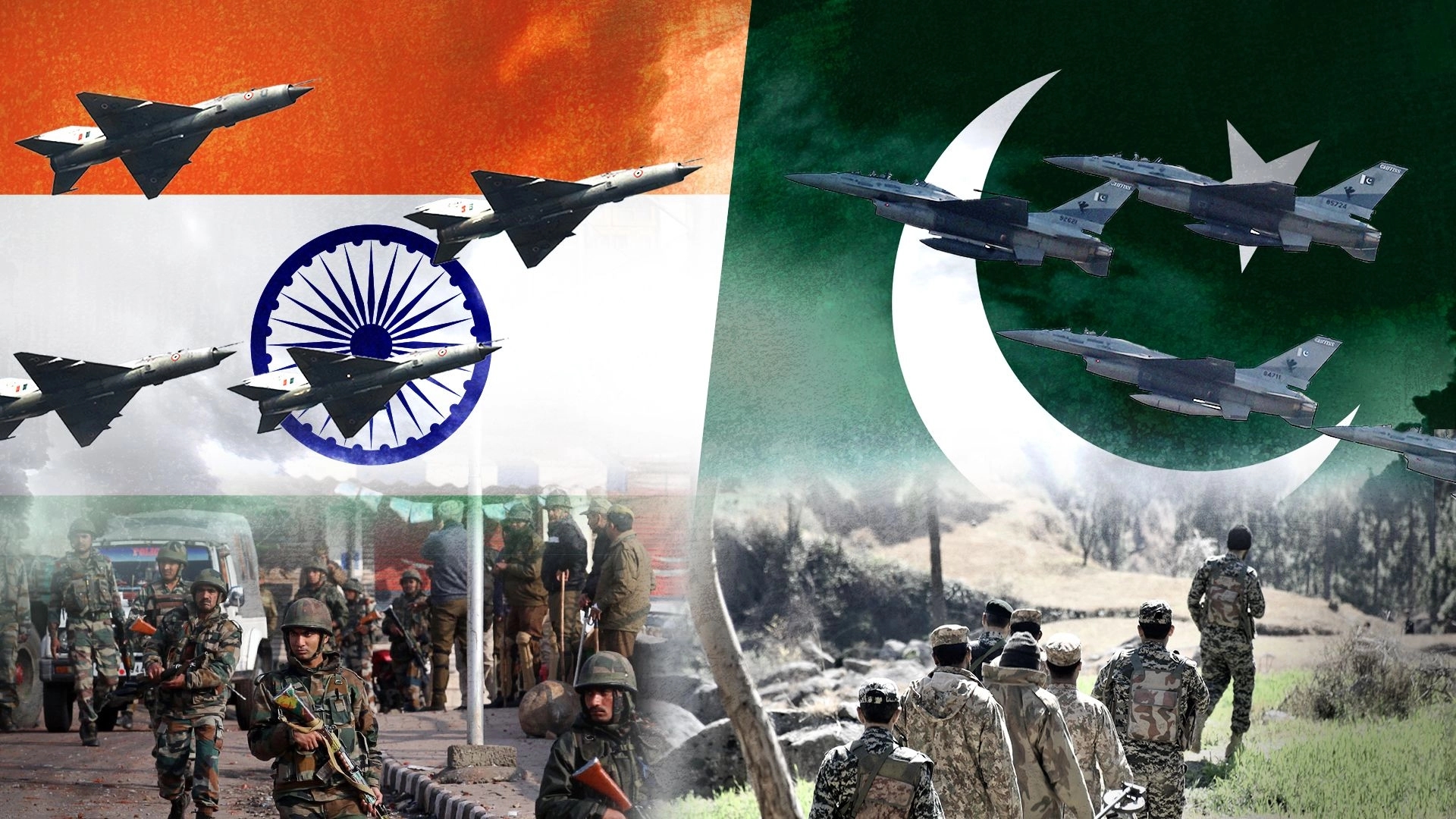


India’s missile attacks on Pakistan, aimed at what it calls “terrorist infrastructure,” have sparked fresh concerns over the long-standing Kashmir dispute. The strikes were in retaliation for a terrorist assault in Pahalgam, Indian-administered Kashmir, that claimed 26 lives. India holds Pakistan responsible for supporting the militants behind the attack. The strikes, targeting non-military sites, were part of India’s ongoing strategy to combat cross-border terrorism.
Despite accusations from Pakistan that civilian areas were hit, India insists the strikes were precise and non-escalatory. The airstrikes, which avoided engaging military installations, demonstrate India’s restraint. Both countries, nuclear-armed and aware of the catastrophic consequences of a full-scale war, are unlikely to escalate to a broader conflict.
However, the people of Kashmir continue to suffer, caught between escalating violence and state repression. Ordinary civilians face increased risk, with reports of attacks and harassment following the Pahalgam assault. The strategic challenge for both nations is clear: war would harm both countries economically and politically, particularly as India seeks to solidify its role as a global economic power.
Although tensions are high, experts argue that both sides have reasons to de-escalate. The Indus Water Treaty could become a diplomatic tool to foster dialogue and prevent further hostilities. Regional instability, however, would ripple across South Asia, affecting neighboring countries like Bangladesh, Sri Lanka, and Nepal.
- BJP Yuva Morcha Leader Served Notice for Pasting Pakistan Flag Stickers in Bidar
- India Cracks Down on Pakistani Imports via Third Countries After Total Trade Ban
#IndiaPakistanTensions #KashmirConflict #NuclearRisks #DiplomaticSolutions