









In a bold geopolitical move, India has suspended the Indus Waters Treaty (IWT) of 1960 with Pakistan following the gruesome Pahalgam terror attack that killed 26 civilians. While the impact won’t be felt instantly, the decision is seen as a strategic warning to Pakistan.
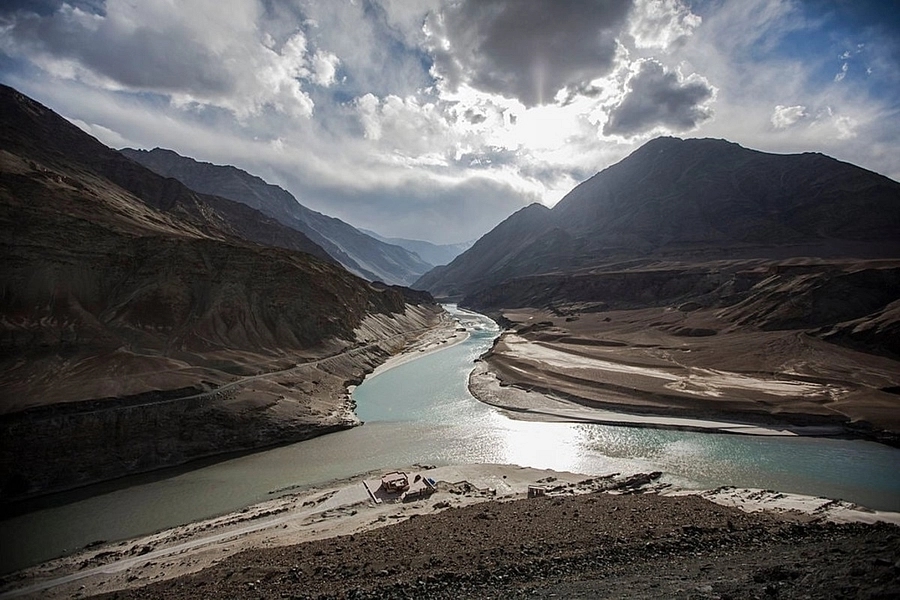
Signed over six decades ago, the Indus Waters Treaty governs water sharing between the two nations across six rivers. India controls the eastern rivers—Sutlej, Beas, and Ravi—while Pakistan receives water from the western rivers—Indus, Jhelum, and Chenab. These rivers are crucial for Pakistan’s irrigation, especially in Punjab and Sindh, where 85% of its food is produced.
Though the treaty gave India limited rights over the western rivers, the current suspension hints that India may now reconsider these constraints. For now, India lacks the infrastructure to halt water flow entirely, but it could reduce the supply by 5–10%, causing long-term consequences for Pakistan’s agricultural economy.
The suspension doesn’t equate to an immediate water cutoff. Instead, it sends psychological pressure on Pakistan amid increasing border tensions and accusations of harboring terrorist elements. Experts view the move as a diplomatic lever rather than an immediate hydrological shift.
In the long run, India could pursue dam construction or water diversion, which would require significant investment and time. For now, this is a message, not a shutdown—the water still flows, but India has lifted the self-imposed restraint.
Read also: