







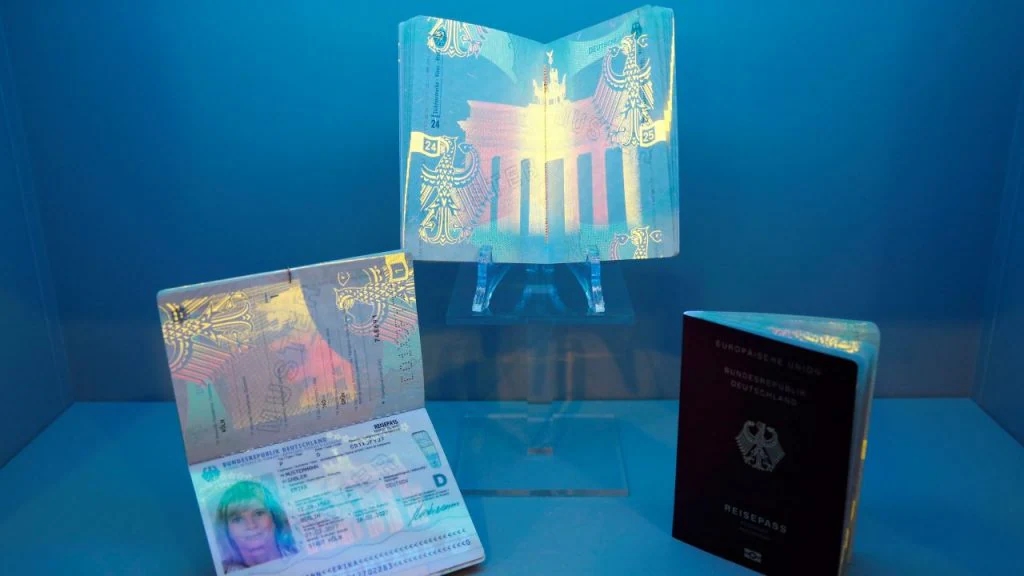


The Government of India’s rollout of e-passports marks a major technological shift in the country’s travel documentation system, offering enhanced security, quicker immigration processing, and global compatibility for millions of Indian travellers.
What is an e-passport?
An e-passport is similar in appearance to the traditional Indian passport but includes a secure electronic chip embedded within its back cover. This chip stores key personal and biometric information, including fingerprints, facial recognition data and digital signatures. By integrating biometric features, e-passports align with international civil aviation norms and strengthen identity verification during travel.
Advantages of e-passports
The new system offers several benefits for travellers:
- Higher security:
The embedded chip reduces the risk of identity theft, tampering or duplication, making international travel safer for Indian citizens. - Faster immigration checks:
Automated e-gates and machine-readable chips speed up passenger processing at airports, easing queues and improving travel convenience. - Stronger global acceptance:
Many countries already issue or accept biometric passports. India’s adoption enhances compatibility with global systems and strengthens the reliability of its travel documents.
As the nationwide rollout progresses, citizens are advised to check whether their nearest Passport Seva Kendra (PSK) or Post Office Passport Seva Kendra (POPSK) is currently offering the facility.
Who can apply for an e-passport?
Any Indian citizen eligible for a traditional passport may apply for an e-passport. While the service is being introduced in phases, several PSKs and POPSKs have begun issuing them. Applicants are encouraged to verify availability in their region before initiating the process.
The Ministry of External Affairs plans a gradual expansion of the service, ensuring that both fresh applicants and those renewing existing passports can transition to the upgraded format.
Application process for an e-passport
The application steps remain unchanged from the traditional passport process:
- Register on the Passport Seva portal.
- Fill out the online form and pay the requisite fee.
- Book an appointment at a PSK or POPSK.
- Visit the centre for biometric capture, including fingerprints and photographs.
Once processed, the e-passport is printed with its embedded chip and dispatched to the applicant’s registered address.
A step toward smarter travel
India’s introduction of e-passports represents a significant leap toward creating a modern, digitally enabled travel ecosystem. By blending advanced technology with global standards, the initiative aims to ensure smoother, safer and more secure mobility for Indian citizens in an increasingly interconnected world.