







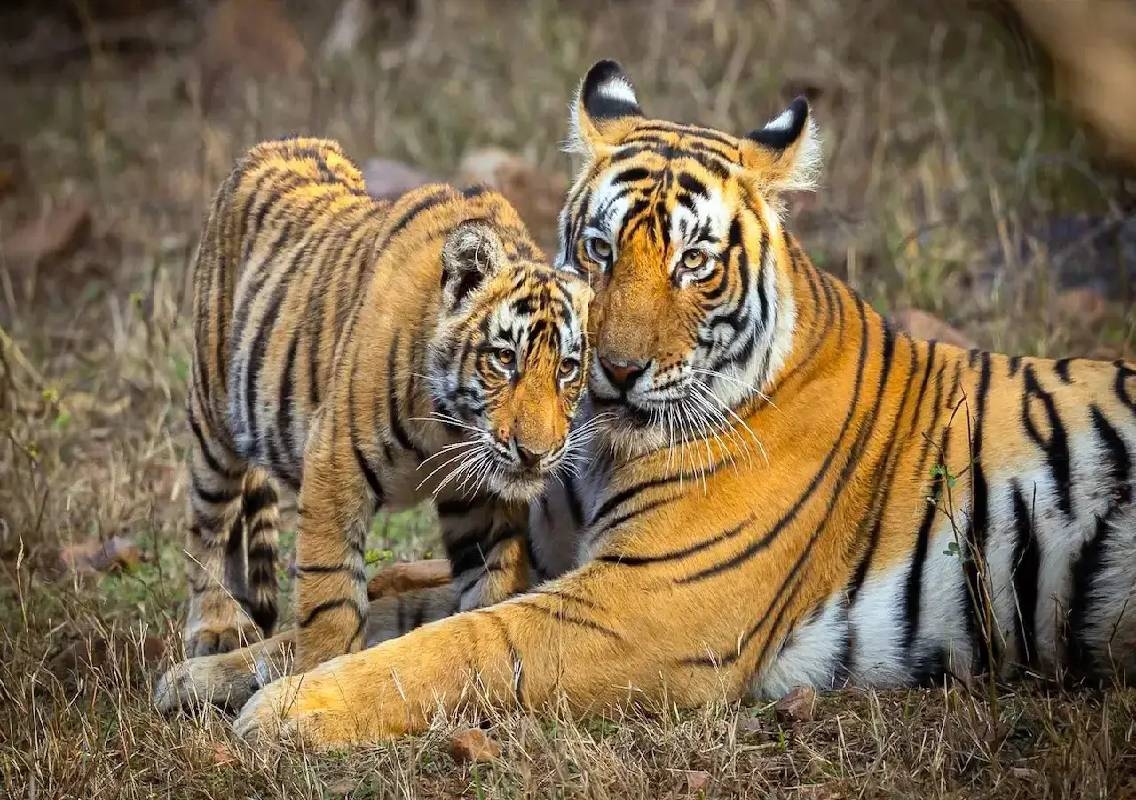


New Delhi: India will host the inaugural International Big Cat Alliance (IBCA) Summit on June 1 and 2, 2026, positioning the country at the centre of global efforts to protect seven of the world’s most iconic big cat species and their ecosystems.
The high-level summit will take place at Bharat Mandapam and will be presided over by Prime Minister Narendra Modi.
Union Environment Minister Bhupender Yadav said the summit will witness the adoption of the first-ever “Delhi Declaration on Big Cat Conservation”, aimed at strengthening global cooperation on wildlife protection and biodiversity conservation.
Summit to focus on seven big cat species
The summit will focus on conservation strategies for seven major big cat species:
- Tiger
- Lion
- Leopard
- Snow Leopard
- Cheetah
- Jaguar
- Puma
Officials said the summit aims to highlight the critical role biodiversity conservation plays in climate resilience, ecological stability and sustainable development.
The IBCA was first announced by Prime Minister Modi in April 2023 and formally established by the Government of India in March 2024 following Union Cabinet approval.
The alliance became fully operational in February 2025.
India positioning itself as global conservation leader
A senior official stated that the summit will be organised jointly by the Government of India and the International Big Cat Alliance.
India has committed nearly $18 million over five years from 2023-24 to 2027-28 to support the alliance and its conservation initiatives.
The summit is expected to bring together representatives from 95 range countries across Asia, Africa and the Americas.
Participants will include Heads of State, ministers, senior policymakers, wildlife scientists, conservation practitioners, international agencies and environmental organisations.
Officials said the summit would serve as a major diplomatic and ecological platform for discussions on wildlife conservation challenges and collaborative solutions.
Why big cats matter
Experts say big cats play a crucial role in maintaining ecological balance and healthy ecosystems.
As apex predators, they regulate prey populations and help preserve biodiversity across forest and grassland habitats.
Conservationists also note that habitats supporting big cat populations act as important carbon sinks, contributing significantly to climate change mitigation efforts.
These ecosystems also protect water sources, preserve watershed regions and support eco-tourism-based livelihoods for local communities.
However, big cat populations globally continue facing multiple threats including habitat fragmentation, shrinking wildlife corridors, climate change impacts and increasing human-animal conflict.
Emerging wildlife diseases and transboundary ecological challenges have further intensified conservation concerns.
Delhi Declaration to shape future conservation strategy
One of the major outcomes expected from the summit is the adoption of the “Delhi Declaration on Big Cat Conservation”.
The declaration is expected to outline global commitments and collaborative approaches for protecting big cat species and their habitats.
The June 1 high-level session at Bharat Mandapam will include statements from world leaders and representatives of IBCA member and observer nations on their conservation priorities and experiences.
Officials said more than 400 stakeholders are expected to attend the summit, including representatives from multilateral agencies, financial institutions, corporate groups and community-based conservation networks.
The government believes the summit will reinforce the understanding that protecting apex predators is essential not only for biodiversity conservation but also for climate resilience and long-term sustainable development.
India, which has already gained international recognition for its tiger conservation efforts and Project Cheetah initiative, is expected to use the summit to strengthen its position as a leading global voice on wildlife protection.