







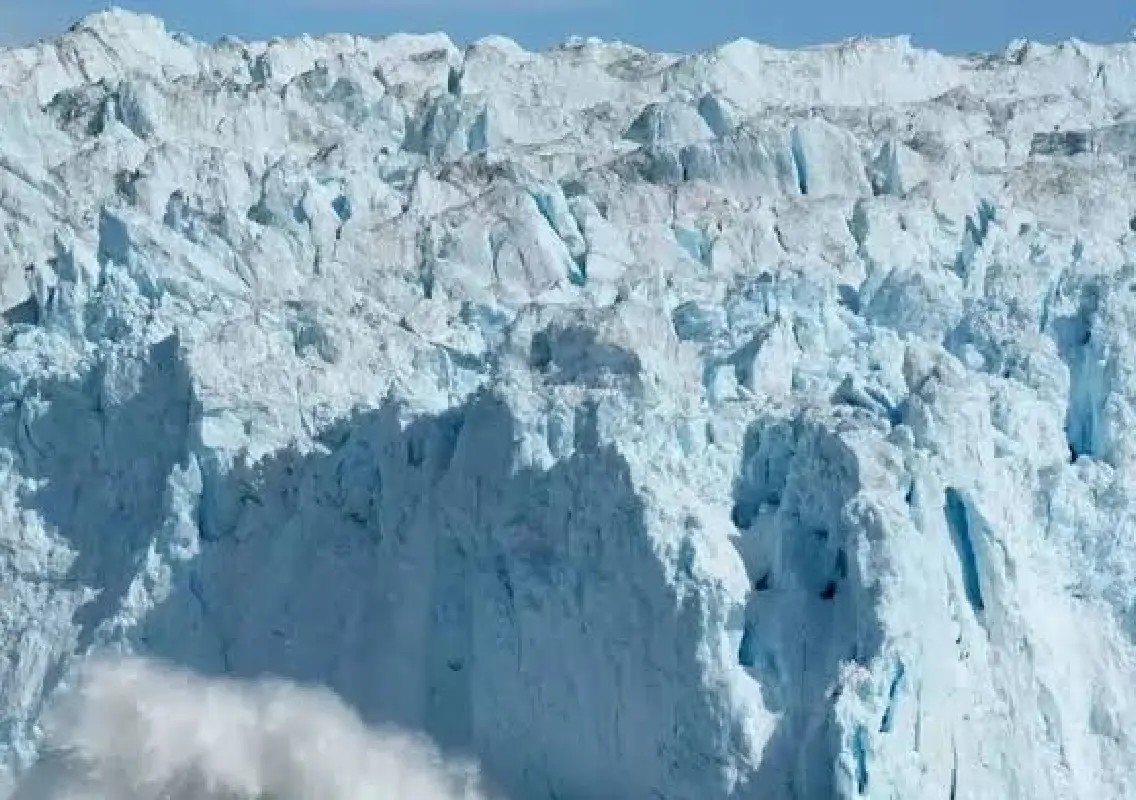


New Delhi: India’s engagement with the Arctic is gaining strategic importance as rapid climate change, shifting weather patterns and growing geopolitical competition transform the polar region. A recent Parliamentary Standing Committee report has highlighted a gap between India’s Arctic ambitions and its existing capabilities.
India has maintained an Arctic research presence for years, including the Himadri research station in Svalbard. It also became an Observer in the Arctic Council in 2013 and launched its Arctic Policy in 2022. However, its engagement has remained largely focused on scientific research despite the region’s expanding strategic importance.
Why the Arctic matters to India
Changes in the Arctic can have consequences far beyond the polar region. Scientists and policymakers are examining links between Arctic warming, atmospheric circulation and the Indian monsoon, making the region relevant to India’s agriculture, water security and disaster preparedness.
Melting sea ice is also opening possibilities for new maritime routes, including the Northern Sea Route, potentially affecting global trade and India’s connectivity with Europe and Asia. The Arctic’s natural resources, including critical minerals, add another layer of economic and strategic interest.
India needs stronger capabilities
The parliamentary review has pointed to the need for greater investment in research infrastructure, polar vessels, scientific capacity and institutional coordination. One recommendation gaining attention is the appointment of a Polar Ambassador to provide greater strategic coordination for India’s interests in the Arctic and Antarctic.
A clearer Arctic strategy could help India bring together climate science, maritime interests, resource security and diplomacy rather than treating polar engagement as primarily a research activity.
A wider strategic opportunity
India’s Arctic policy already provides a foundation for scientific research, environmental protection, sustainable development, connectivity and international cooperation. Strengthening these areas could help the country prepare for a rapidly changing polar environment while protecting its own long-term climate and strategic interests.