







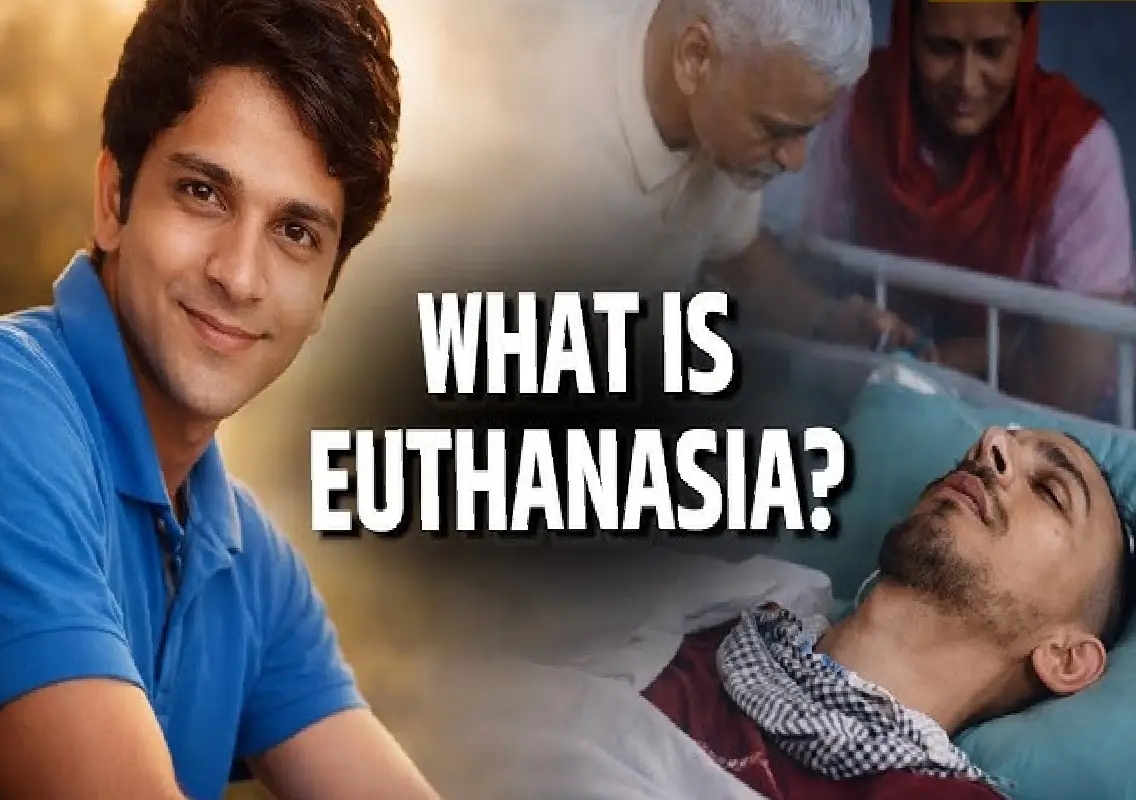


Harish Rana, the first patient in India to be granted passive euthanasia under a Supreme Court directive, passed away on Tuesday after spending 13 years in a vegetative state.
The 31-year-old breathed his last at All India Institute of Medical Sciences at 4:10 pm, with his family by his side.
Supreme Court ruling on dignity
Earlier this month, the Supreme Court of India permitted the withdrawal of life-sustaining treatment, recognising his “right to die with dignity”.
The court noted that there had been no improvement in his condition for over a decade, and continuing treatment held no meaningful benefit.
Final days under palliative care
Rana had been admitted to AIIMS on March 14, where he received specialised palliative care focused on comfort rather than curative treatment.
Doctors confirmed that life support, including artificial feeding and hydration, was withdrawn in accordance with medical and legal guidelines.
“He remained comfortable and passed away peacefully, without distress,” hospital officials said.
A life altered by tragedy
Rana’s condition stemmed from a severe brain injury sustained in 2013 after a fall from a building while he was a final-year BTech student.
Despite treatment across multiple hospitals, he remained in a permanent vegetative state, fully dependent on care.
Family’s long struggle
For over 13 years, his parents cared for him at home, enduring emotional and financial hardship. His father had approached the court, stating that allowing passive euthanasia would restore his son’s dignity.
Organ donation and final rites
In a final act of compassion, the family has donated Rana’s corneas and heart valves.
Hospital authorities stated that his last rites will be conducted following standard procedures, bringing closure to a prolonged and deeply emotional journey.