







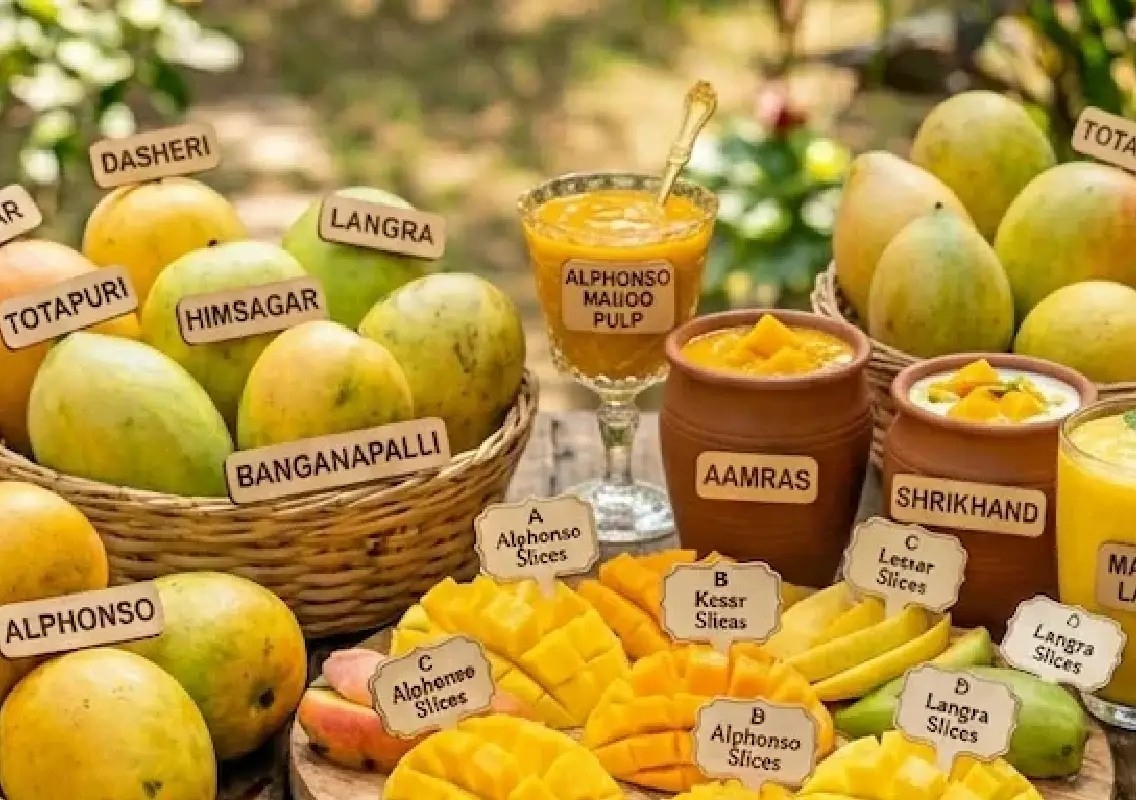


Mangoes are more than just a summer fruit in India—they are woven into the country’s culture, history and identity. With over 1,000 varieties grown across the nation, every region boasts a mango with its own distinctive flavour, aroma and story.
Known as the “King of Fruits”, the mango has been cultivated in India for more than 4,000 years and continues to be one of the most loved seasonal delights.
A mango for every palate
Among the most famous varieties is the Alphonso, grown primarily in Maharashtra’s Konkan region. Celebrated for its rich sweetness, creamy texture and vibrant colour, it remains one of India’s most sought-after mangoes.
West Bengal’s Himsagar is another favourite, known for its fibreless pulp and intense sweetness. In northern India, the Langra mango enjoys a loyal following for its unique flavour and juicy flesh.
Each variety reflects the climate, soil and traditions of the region where it is grown.
The legendary Kohitur
One of the rarest and most intriguing mangoes is the Kohitur, often referred to as the “Mango of Kings”. Historically associated with Bengal’s nawabs, this variety was prized for its delicate flavour and exclusivity.
Stories suggest that the fruit was once guarded with extraordinary care and considered a luxury reserved for royalty and aristocrats.
More than a fruit
Mangoes have inspired poetry, art and folklore for centuries. They feature prominently in Indian festivals, cuisine and religious traditions.
From refreshing juices and milkshakes to pickles, desserts and curries, the fruit plays a versatile role in Indian households during summer.
A symbol of Indian summers
Despite changing food trends, mangoes continue to evoke nostalgia and family memories for millions of Indians. Whether enjoyed fresh from the tree or served at festive gatherings, the fruit remains an enduring symbol of summer.
As mango season reaches its peak, the rich diversity of India’s mango heritage reminds us why this beloved fruit continues to hold a special place in the nation’s heart.