







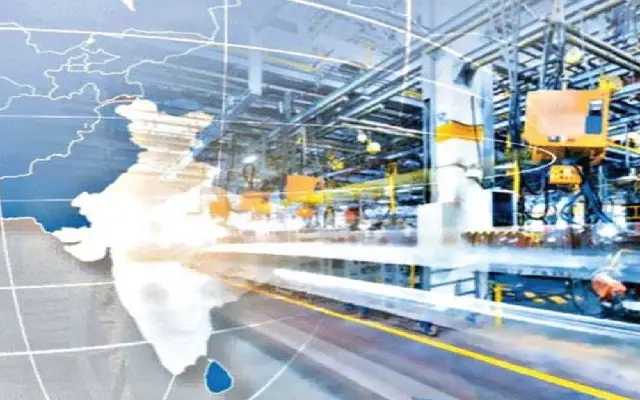


India’s rapid economic growth is overshadowed by slow business investment in manufacturing. While the economy expands at an impressive pace, corporate fixed asset growth trails at just 5.5%, raising concerns about the country’s industrial trajectory. Despite government efforts to tackle long-standing challenges—like infrastructure gaps, inflation, and a banking sector burdened by non-performing loans—India’s manufacturing sector remains underwhelming.
One key issue is India’s limited integration into global value chains. Unlike Vietnam and Bangladesh, which capitalized on supply chain diversification in garments and electronics, India has been slow to replicate their success. The Modi government’s increased tariffs on intermediate goods, such as printed circuit boards, further diminish India’s competitiveness, deterring potential exporters. India’s reluctance to join regional trade agreements and its limited free trade deals with wealthy economies compound the problem.
Small businesses face additional challenges. Despite policies like production-linked incentives to boost sectors like semiconductors, these industries are too advanced to create widespread employment. Entrepreneurs struggle with high costs for starting and exiting businesses, restrictive labor laws, and fear of regulatory overreach—particularly following strict bankruptcy reforms in 2016. Moreover, the dominance of conglomerates like Reliance and Tata discourages smaller players from expanding, as they fear being overshadowed by these politically favored giants.
However, the outlook isn’t entirely bleak. The government’s macroeconomic reforms have laid a solid foundation, and the remaining challenges are primarily structural and procedural. Simplifying regulations, lowering barriers to global trade, and encouraging entrepreneurial dynamism could transform India into a manufacturing powerhouse. Empowering smaller businesses and fostering a more inclusive industrial ecosystem could make “Made in India” as globally recognized as “Made in China.” By addressing these issues, India has the potential to fully leverage its youthful demographics and growing aspirations.
Read Also