







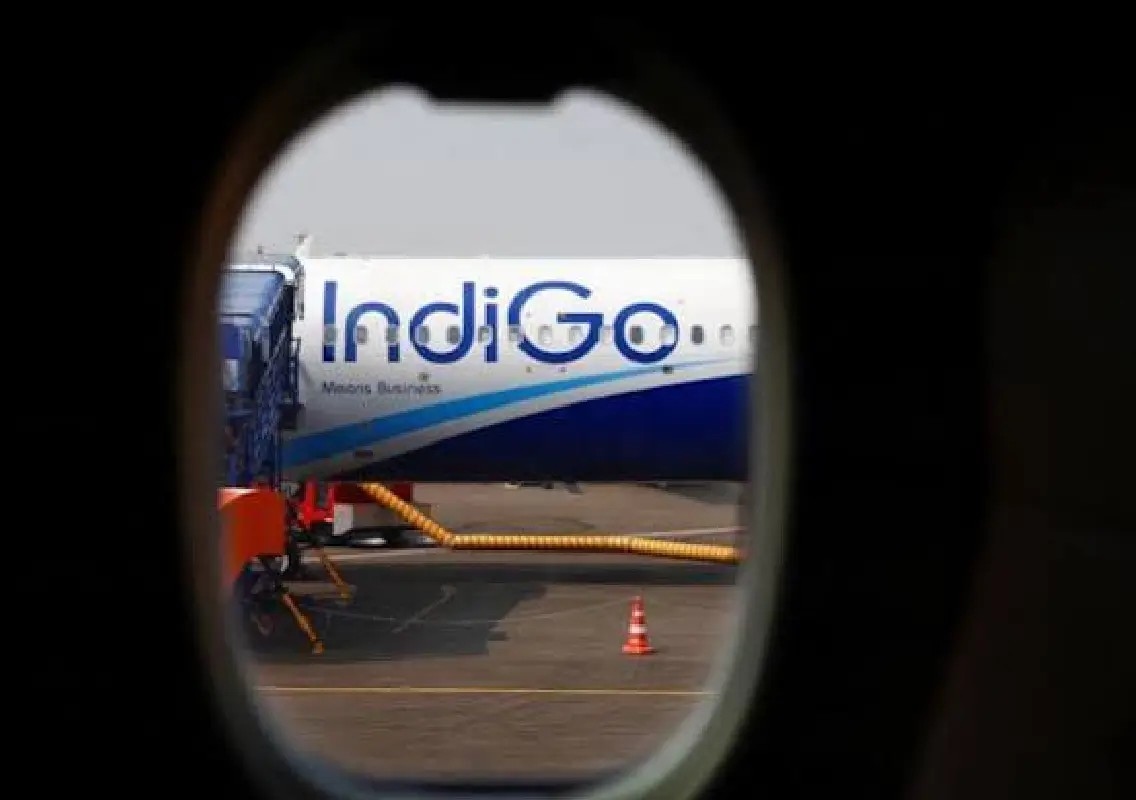


New Delhi: An IndiGo Airbus A321neo aircraft suffered a tail strike while landing at Gorakhpur airport, leading to the aircraft being grounded for inspection.
The incident is reportedly the eighth tail-strike incident involving IndiGo’s A321 fleet, raising fresh questions about pilot training, operational procedures and factors associated with the aircraft type.
Aircraft grounded after runway contact
The aircraft’s tail reportedly made contact with the runway during the landing process. A tail strike occurs when the rear section of an aircraft touches the runway, generally during take-off or landing.
The aircraft was removed from service as a precaution and will undergo inspection to assess any damage and establish whether repairs are required. There were no reports of injuries in connection with the incident.
Eighth incident involving A321 fleet
The latest incident has drawn attention because it is reportedly the eighth tail-strike occurrence involving IndiGo’s A321 fleet.
The repeated incidents are expected to be examined by aviation authorities and the airline as investigators look into whether common operational factors contributed to the occurrences.
A tail strike does not necessarily mean an aircraft is unsafe to operate, but the aircraft normally has to undergo detailed inspection before being cleared to return to service.
Pilot training and aircraft design under focus
The recurrence of such incidents has also brought attention to pilot training and procedures for operating the A321, particularly during take-offs, landings and go-arounds.
However, the available information does not establish that pilot error or an aircraft design issue was responsible for the latest incident. The cause will need to be determined through the investigation.
IndiGo operates a large fleet of Airbus A321 aircraft, including A321neo variants, on domestic and international routes.
The latest incident is likely to add to scrutiny of tail-strike prevention measures and operational training as aviation authorities assess the circumstances surrounding the occurrence.