







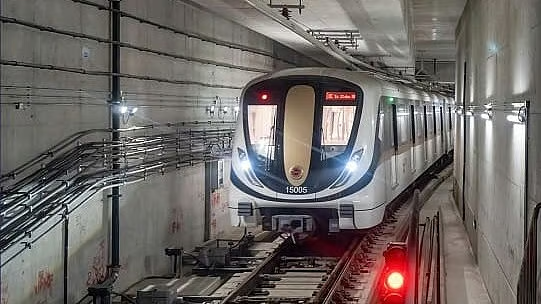


In a surprising turn for the Indore Metro project, Madhya Pradesh Chief Minister Mohan Yadav has announced that a crucial 3.3-kilometre stretch through the city’s crowded residential areas will now be built underground instead of on elevated tracks. The move is aimed at reducing disruption in densely populated neighbourhoods but comes with a steep rise in cost.
Officials said the design change will push the overall project cost up by around ₹900 crore, making it one of the most significant revisions since the metro plan was approved.
Why the plan was changed
The affected stretch cuts through some of Indore’s busiest localities, where narrow roads, heavy traffic, and closely packed buildings make elevated construction difficult. Going underground, officials said, will avoid large-scale land acquisition and minimise long-term inconvenience for residents and businesses.
Chief Minister Mohan Yadav said the decision prioritises public comfort over cost, stressing that protecting neighbourhoods and ensuring smoother traffic flow were key reasons behind the shift.
Higher cost, but fewer disruptions
Metro experts note that underground construction is far more expensive than elevated corridors due to tunnelling work, advanced safety systems, and specialised equipment. However, they add that it often proves beneficial in dense cities by preserving road space and reducing visual and noise pollution.
While the ₹900 crore increase has raised concerns about finances, officials believe the long-term gains will justify the additional spending.
What it means for timelines
The change may slightly affect construction schedules, as underground sections require detailed soil testing and precision engineering. Authorities, however, have assured that efforts are underway to prevent major delays to the overall Indore Metro project.
A key step in Indore’s urban future
The Indore Metro is expected to play a major role in easing traffic congestion and cutting pollution in one of Madhya Pradesh’s fastest-growing cities. The decision to take a key section underground signals a more people-friendly approach to urban development, even if it comes at a higher price.