







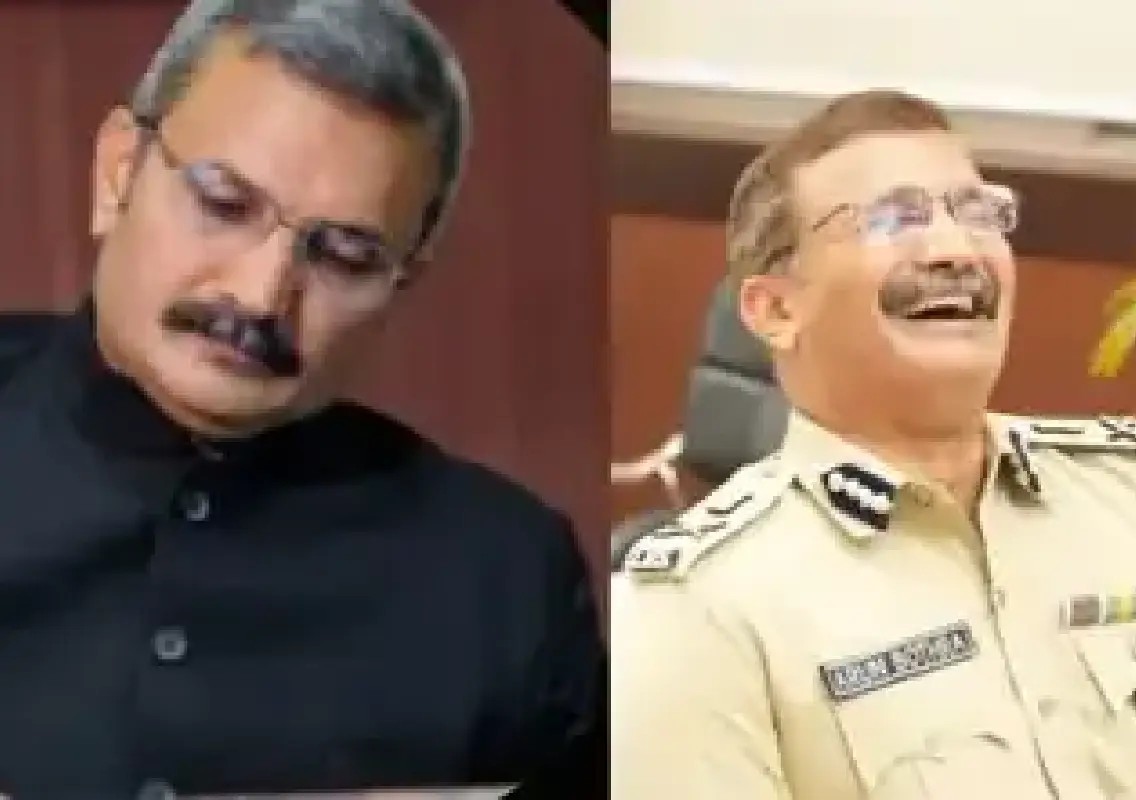


Senior IPS officer Arun Bothra has sparked a debate online after expressing concern over viral videos showing Indians dancing or behaving inappropriately in public places overseas.
In a social media post, Bothra said such actions could harm India’s reputation and have consequences for fellow travellers.
Officer links behaviour to visa concerns
Commenting on the growing number of viral travel videos, Bothra argued that people who bring disrepute to the country through their conduct abroad should face consequences.
He suggested that, in serious cases, restrictions on foreign travel could even be considered.
According to him, holding an Indian passport comes with responsibilities, including respecting local laws, behaving appropriately in public and protecting the country’s image.
‘Indian passport comes with responsibility’
Bothra stressed that international travel is not only a personal privilege but also reflects on the country as a whole.
His remarks come amid increasing criticism of social media content creators filming dance reels and disruptive videos in public places in countries such as Vietnam and the United States.
Several such clips have gone viral in recent months, drawing mixed reactions online.
Fear of tougher visa rules
Responding to social media users, the IPS officer clarified that his concern was not about what foreigners think of Indians, but about the practical consequences of such behaviour.
He warned that repeated incidents could contribute to stricter visa policies affecting all Indian travellers.
Citing Thailand as an example, Bothra suggested that irresponsible conduct by a few individuals could have wider implications for genuine tourists and visitors.
Debate continues online
His comments have triggered discussion on civic responsibility, tourism etiquette and the influence of social media culture.
While some users agreed that travellers should be more mindful of local customs and public behaviour, others argued that isolated incidents should not define an entire community.
The debate highlights growing concerns about how viral content can shape perceptions of countries and their citizens on the global stage.