







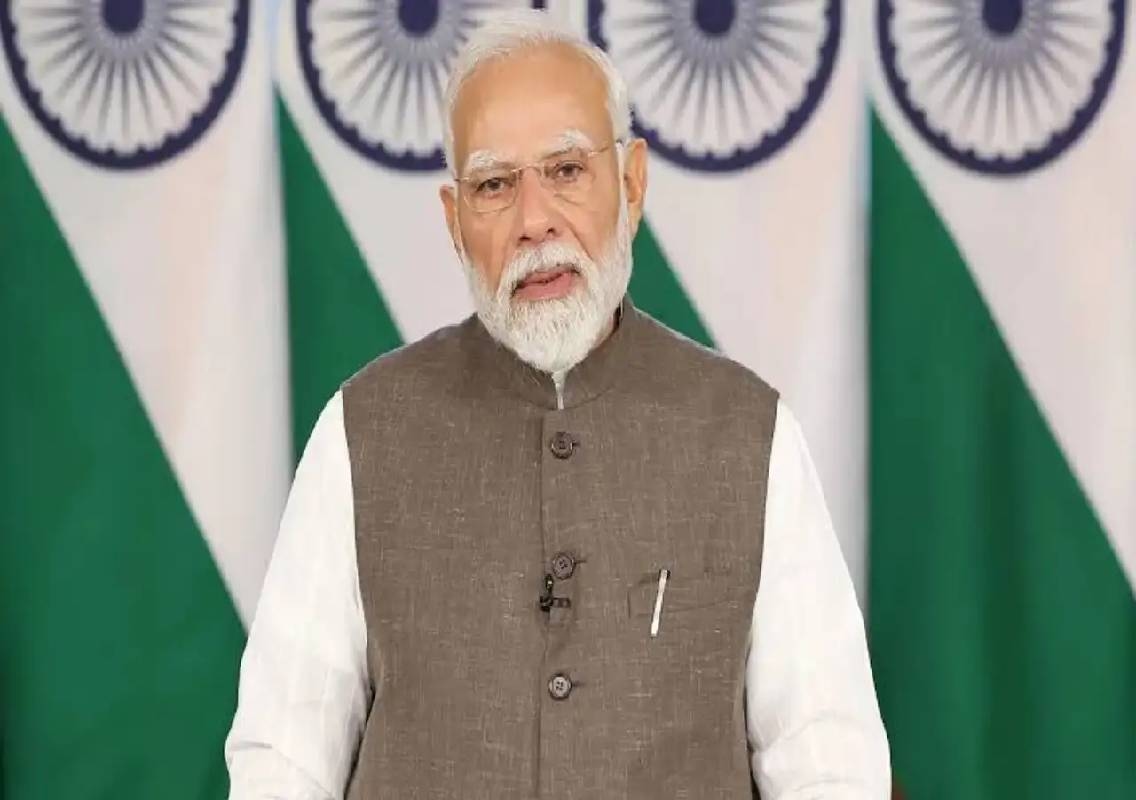


Tehran: Iran has formally invited Prime Minister Narendra Modi to attend the state funeral of Supreme Leader Ayatollah Ali Khamenei, according to sources familiar with the development. The invitation was reportedly extended by Iranian President Masoud Pezeshkian as preparations continue for a series of funeral ceremonies planned across Iran in early July.
The development comes amid heightened international attention on Iran following reports of Khamenei’s death during military strikes earlier this year. Iranian authorities are expected to host leaders and representatives from several countries during the funeral proceedings, which are likely to be among the largest state events held in the country in recent years.
Formal invitation extended to India
Sources indicated that India is among a number of countries invited to participate in the ceremonies honouring the late Iranian leader. The invitation reflects the longstanding diplomatic relationship between India and Iran, which have maintained cooperation across sectors including trade, energy and regional connectivity.
While there has been no official confirmation from New Delhi regarding Prime Minister Modi’s participation, the invitation signals Iran’s intention to include key international partners in the farewell ceremonies.
The Ministry of External Affairs has not yet issued a statement on the matter.
Funeral ceremonies scheduled across multiple cities
According to Iranian state media reports, the funeral programme will be spread over several days and include events in Tehran, Qom and Mashhad.
Officials overseeing the arrangements said farewell ceremonies and prayers for Khamenei will be held at Tehran’s Grand Mosalla on July 4 and July 5. The main funeral procession is scheduled for July 6.
Authorities have also announced public observances and mourning events across the country. Tehran province is expected to observe special arrangements during the funeral period as large crowds are anticipated to attend the ceremonies.
The final burial is reportedly planned in Mashhad, the northeastern city that is also Khamenei’s hometown. The burial ceremony is expected to conclude on July 9 after several days of national mourning.
Funeral dates revised multiple times
The state funeral was originally expected to take place shortly after Khamenei’s reported death in February. However, Iranian authorities revised the schedule several times over the following months.
Reports suggest that the ceremonies were initially planned for early March but were postponed due to ongoing regional tensions and security concerns.
The revised schedule now provides time for extensive preparations, diplomatic coordination and arrangements for international delegations expected to attend.
Funerals for members of Khamenei’s family who reportedly died in the same incident are also expected to be held during the commemorative events.
Khamenei’s role in Iran
Ayatollah Ali Khamenei served as Iran’s Supreme Leader for more than three decades and was one of the most influential figures in the country’s modern political history.
As Supreme Leader, he held ultimate authority over key state institutions, including the military, judiciary and major policy decisions. His tenure witnessed significant geopolitical developments, including tensions with Western nations, regional conflicts and negotiations over Iran’s nuclear programme.
Supporters viewed him as a symbol of continuity and resistance, while critics often questioned aspects of Iran’s political system under his leadership. Regardless of political perspectives, his influence on Iran’s domestic and foreign policy remained substantial throughout his tenure.
Global attention on the funeral
The upcoming state funeral is expected to attract considerable international attention, with foreign dignitaries, diplomats and representatives likely to attend.
Observers believe the event will also provide insights into Iran’s political transition and future leadership direction. Security arrangements are expected to be extensive as authorities prepare for large public gatherings and visiting delegations.
As the funeral dates approach, attention will remain focused on whether world leaders, including Prime Minister Narendra Modi, will attend the ceremonies and what diplomatic significance their participation may hold.
Conclusion
Iran’s invitation to Prime Minister Narendra Modi highlights the importance Tehran places on its relationship with India during a significant moment in the country’s history. With funeral ceremonies scheduled from July 4 to July 9, the coming days are expected to witness large-scale commemorations and international participation as Iran bids farewell to one of its longest-serving leaders.