







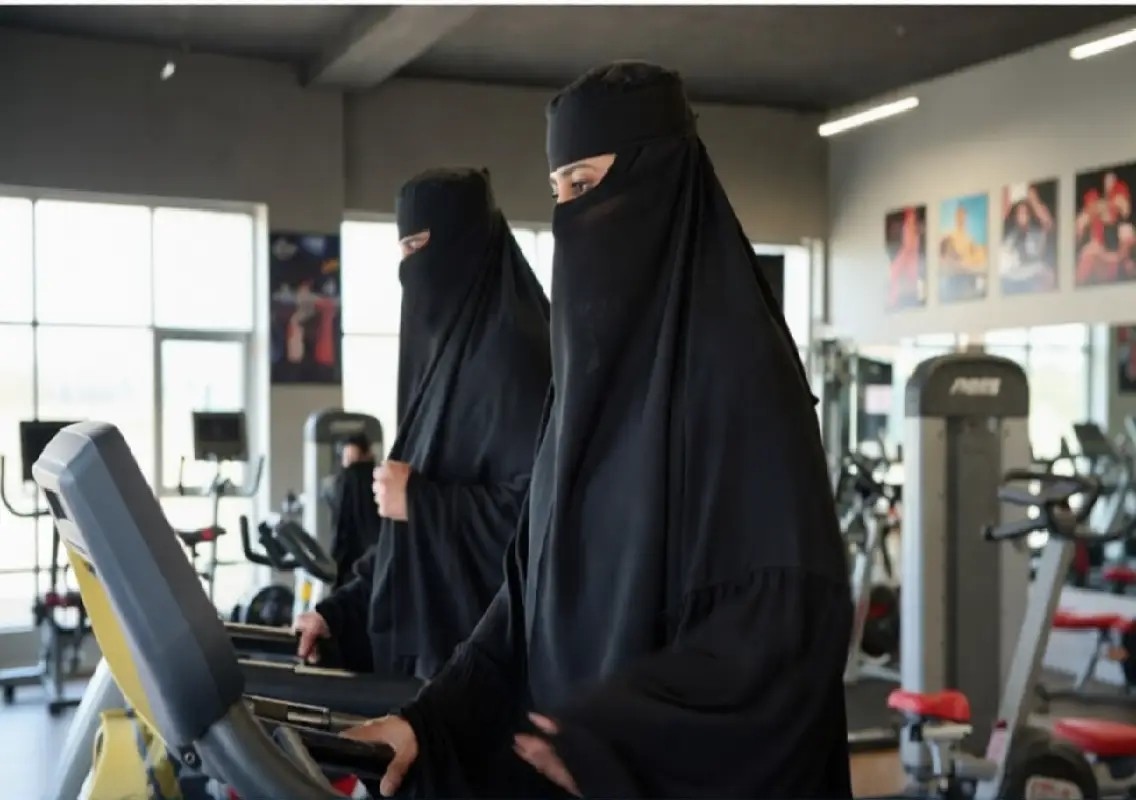


Palakkad: A fitness centre in Kerala’s Palakkad district has found itself at the centre of a social media controversy after announcing itself as an “Islamic-friendly gym”. The promotional campaign, which highlighted separate workout timings for men and women, the absence of loud music and segregated trainers, triggered widespread debate over religion-based branding and inclusivity in public spaces.
The controversy began after the gym, located in Puthunagaram, released a video featuring its owner, Nawaz Muthu T, explaining the concept behind the facility. While the initiative was intended to cater to individuals seeking a fitness environment aligned with certain Islamic practices, the announcement drew mixed reactions from the public.
Promotional video triggers backlash
In the video, Nawaz described the facility as an “Islamic-friendly gym” and claimed it could be the first of its kind in Kerala.
He explained that the gym would operate without loud music and would provide separate workout spaces and timings for men and women. Trainers would also be assigned separately based on gender.
The fitness centre is not a new establishment but an existing gym that has reportedly been functioning for around 15 years and is currently undergoing renovation.
However, shortly after the video was shared online, it attracted criticism from several social media users who questioned whether the facility was intended exclusively for Muslims and whether religion-based branding was necessary in the fitness industry.
As the criticism intensified, the original promotional video was removed.
Owner clarifies gym is open to all
In response to the backlash, Nawaz released another video clarifying the purpose of the initiative.
He stressed that the gym is not restricted to Muslims and that people from all religious backgrounds are welcome to join.
According to him, the term “Islamic-friendly” refers only to certain operational practices designed to accommodate individuals who prefer gender-segregated workout environments and a setting without loud music.
Nawaz stated that many people, particularly those who strictly follow Islamic customs, avoid gyms because of mixed workout spaces and the common practice of playing music during exercise sessions.
He explained that the new model aims to provide an alternative environment where such individuals can pursue fitness activities comfortably while adhering to their personal beliefs and preferences.
The owner also noted that some members of his own family had refrained from visiting gyms due to similar concerns.
Focus on separate workout spaces
A key feature of the proposed model is the separation of workout timings and spaces for men and women.
According to Nawaz, women who feel uncomfortable exercising in mixed-gender environments would be able to access dedicated workout areas and schedules.
The facility will also avoid playing music through speakers. Members who wish to listen to music can do so individually through headphones.
Supporters of the initiative argue that such arrangements could encourage greater participation in fitness activities among individuals who might otherwise avoid gyms due to cultural, religious or personal preferences.
Some social media users suggested that separate workout facilities could particularly benefit women who prefer privacy while exercising.
Mixed reactions on social media
The clarification issued by the gym owner has not ended the debate, with opinions remaining sharply divided online.
Supporters argue that the initiative simply offers an additional choice for consumers and does not impose restrictions on anyone. They point out that many businesses tailor services to specific customer preferences and that the facility remains open to all.
Several users welcomed the idea of separate workout spaces, saying such arrangements could make fitness centres more accessible to women and individuals seeking greater privacy.
Others viewed the concept as a legitimate business model designed to cater to an underserved segment of the market.
However, critics continue to question the use of the term “Islamic-friendly” and have expressed concerns about increasing religious branding in commercial spaces.
Some social media users argued that public services and businesses should remain neutral and avoid emphasising religious identities, while others viewed the branding as potentially divisive.
Wider discussion on inclusivity and choice
The controversy has sparked broader discussions about inclusivity, personal choice and the role of religious and cultural preferences in commercial establishments.
Experts note that businesses often adapt their services to meet the needs of specific groups, whether based on dietary requirements, cultural practices or accessibility considerations.
At the same time, the use of religious identifiers in branding can generate debate, particularly in a diverse society where questions of inclusion and social cohesion remain sensitive topics.
As discussions continue online, the Palakkad gym has become a focal point for a larger conversation about balancing personal preferences, business innovation and public perceptions in contemporary India.