







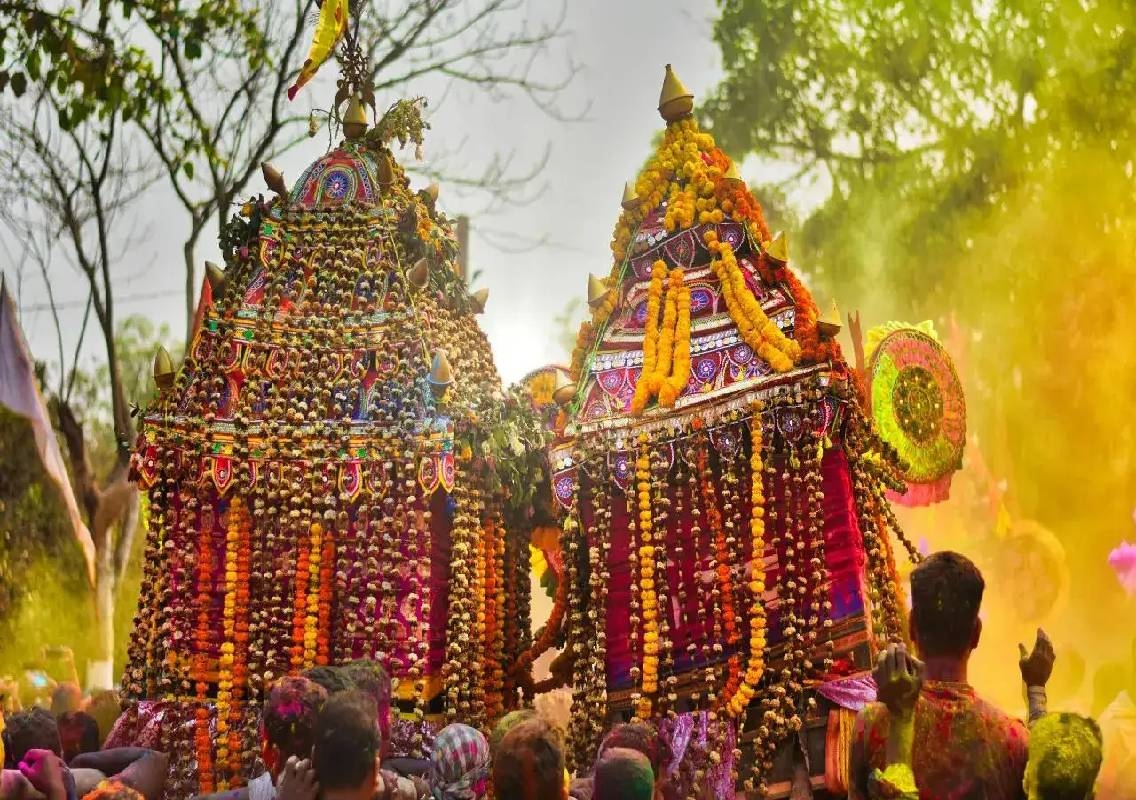


Puri: Jagannath Rath Yatra, one of India’s grandest and most revered Hindu festivals, will commence on July 16, 2026 (Thursday) and conclude with the Bahuda Yatra on July 24, 2026. Celebrated annually in the holy city of Puri, Odisha, the festival attracts millions of devotees from India and across the world, who gather to witness the majestic procession of Lord Jagannath, Lord Balabhadra and Devi Subhadra.
The centuries-old tradition symbolises Lord Jagannath’s annual journey from the Jagannath Temple to the Gundicha Temple, where the deities stay for seven days before returning to their main abode. The festival is regarded as one of the most significant events in the Hindu religious calendar and is deeply rooted in faith, culture and tradition.
Jagannath Rath Yatra 2026 date
According to the Hindu calendar, the Rath Yatra is observed on the Dwitiya Tithi (second day) of the Shukla Paksha in the month of Ashadha.
The important dates for Jagannath Rath Yatra 2026 are:
- Rath Yatra: July 16, 2026 (Thursday)
- Stay at Gundicha Temple: Seven days
- Bahuda Yatra (Return Journey): July 24, 2026
During this period, the three deities travel in beautifully decorated wooden chariots pulled by thousands of devotees through the streets of Puri.
History behind Jagannath Rath Yatra
The origins of the Rath Yatra are closely associated with ancient Hindu traditions and mythology.
According to religious beliefs, Lord Jagannath’s birthday is celebrated on Jyeshtha Purnima. On this occasion, Lord Jagannath, Lord Balabhadra and Devi Subhadra are brought from the sanctum of the Jagannath Temple to the Snana Mandap, where they are ceremonially bathed with 108 pots of sacred water in a ritual known as Snana Purnima.
It is believed that the elaborate bathing ceremony causes the deities to develop a fever. As a result, they are taken to a secluded chamber known as the Anasara Griha, where they remain away from public view for nearly 14 to 15 days while they are believed to recover.
During this period, devotees are unable to have darshan of the deities. Only select temple servitors and traditional physicians are permitted to perform the rituals associated with their care.
Why the deities remain in seclusion
The period of seclusion, popularly known as Anasara, is considered an important ritual before the Rath Yatra.
Following the ceremonial bath, the deities are believed to require rest and treatment. After the recovery period, they reappear before devotees in a ritual known as Nava Jaubana Darshan, symbolising renewed health and vitality.
This ritual is regarded as a reminder of the human-like qualities attributed to Lord Jagannath and reinforces the deep emotional connection devotees share with the deity.
Significance of Chhera Pahara
Before the chariots begin their journey, an important ritual known as Chhera Pahara is performed.
During this ceremony, the Gajapati King of Puri symbolically sweeps the platforms of the three chariots using a golden broom while sprinkling sandalwood water.
The ritual reflects the belief that everyone is equal before the Lord, irrespective of status or position. It also signifies humility, with even the king serving Lord Jagannath as a humble devotee.
Only after the completion of Chhera Pahara does the pulling of the chariots begin.
Three chariots of the Rath Yatra
Each deity travels in a separate wooden chariot that is newly constructed every year using traditional methods and sacred wood.
The three chariots are:
- Nandighosha – Chariot of Lord Jagannath
- Taladhwaja – Chariot of Lord Balabhadra
- Darpadalana (Devadalana) – Chariot of Devi Subhadra
Thousands of devotees pull these massive chariots through the streets of Puri, considering it a highly auspicious act that brings spiritual merit.
Religious significance of the festival
Jagannath Rath Yatra symbolises Lord Jagannath’s annual visit to the Gundicha Temple, believed to be the home of Queen Gundicha, the wife of the legendary King Indradyumna, who is credited with establishing the Jagannath Temple.
The festival represents devotion, equality and divine accessibility, as devotees from all communities are allowed to witness and participate in the procession. Unlike regular temple rituals, the Rath Yatra brings the deities outside the temple premises, allowing everyone an opportunity to seek their blessings.
The festival also highlights Odisha’s rich cultural heritage and continues to remain one of India’s largest religious gatherings, drawing pilgrims, tourists and spiritual seekers from across the globe every year.
Conclusion
Jagannath Rath Yatra 2026 will once again transform the sacred city of Puri into a centre of devotion and celebration from July 16 to July 24. With its deep spiritual significance, centuries-old traditions and vibrant cultural heritage, the festival continues to inspire millions of devotees who gather to witness the divine journey of Lord Jagannath, Lord Balabhadra and Devi Subhadra.