







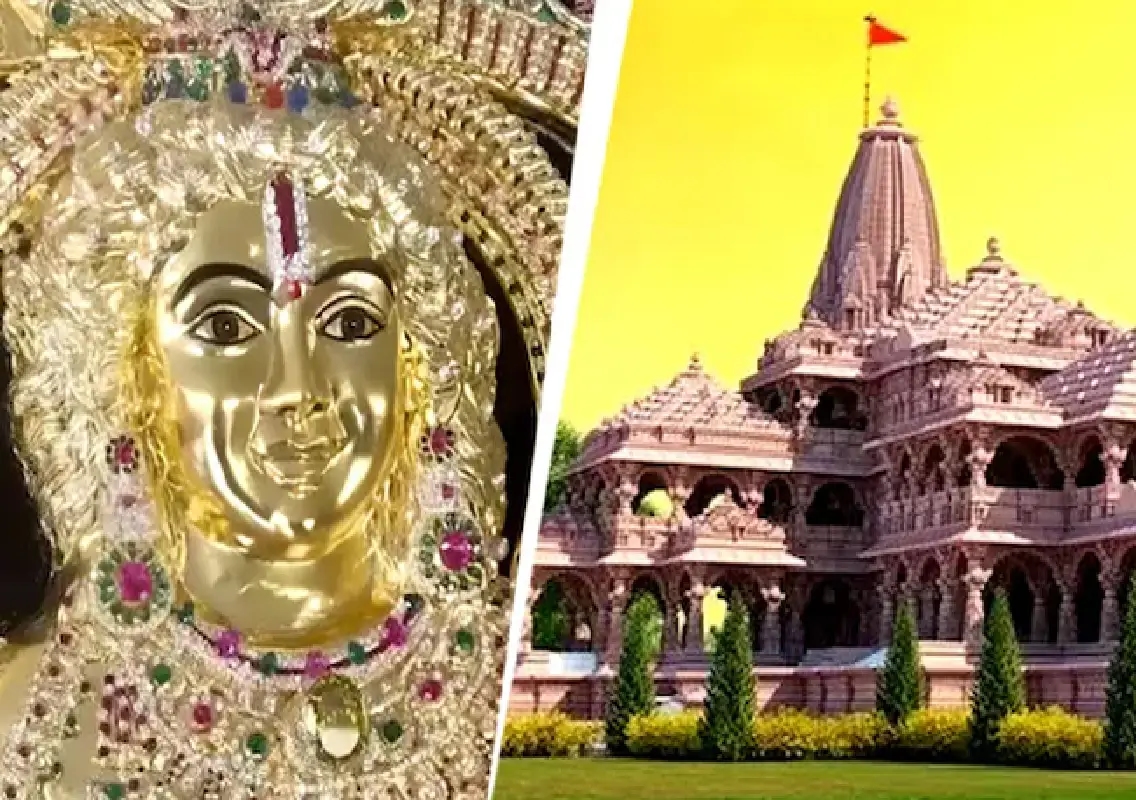


Ayodhya: An exquisitely crafted idol of Lord Ram, made in Karnataka, has arrived in the temple town ahead of its scheduled installation at the Ram Temple complex on December 29, adding a new spiritual and artistic focal point within the sacred premises.
Idol to enhance spiritual significance of temple complex
Trust officials of the Ram Janmabhoomi Teerth Kshetra Trust said the installation of the new idol is expected to enhance the religious and cultural appeal of the Ram Temple complex. The statue will offer devotees another important spot for prayer and contemplation, complementing the main sanctum and other shrines within the expansive temple area.
The idol has been crafted in Udupi, reflecting refined South Indian sculptural traditions blended with strict adherence to Vedic principles. Temple authorities noted that the craftsmanship stands out for its intricate detailing, symbolic accuracy and devotional aesthetics, making it a significant addition to the temple complex.
Crafted using traditional South Indian techniques
The statue has been created using time-honoured sculptural techniques passed down through generations of artisans in Karnataka. According to sources, the sculptor followed classical shilpa shastra guidelines, ensuring that every proportion, posture and ornamentation aligns with traditional religious texts.
Standing nearly 7 feet 10 inches tall and weighing approximately four to five quintals, the idol is imposing yet graceful in appearance. It is adorned with embellishments made of gold, silver and diamonds, enhancing its visual grandeur. The detailing follows the renowned Tanjore style, known for its rich ornamentation and fine artistic finish.
Officials said the use of precious metals and stones has been done in a restrained and symbolic manner, maintaining the sanctity of the idol while highlighting its royal and divine attributes associated with Lord Ram.
Artist behind the idol
Dr Anil Mishra, trustee of the Ram Janmabhoomi Teerth Kshetra Trust, said the idol was crafted by Bengaluru-based artist Jayashree Phadish. He described her as a highly respected sculptor who has contributed idols to several prominent temples across the country.
According to the Trust, Jayashree Phadish undertook the work as an act of devotion and has donated the idol. Her experience in blending traditional South Indian art forms with scriptural accuracy is said to be reflected clearly in the final sculpture.
Dr Mishra said that the Trust carefully reviewed the design, symbolism and craftsmanship before approving the idol for installation within the Ram Temple complex.
Installation planned at auspicious time
The idol is scheduled to be formally unveiled and installed on December 29 at an auspicious muhurta, as decided by religious scholars and priests associated with the Trust. The installation ceremony is expected to be conducted with full Vedic rituals and traditional customs.
According to Trust officials, the idol will be installed near the Sant Tulsidas Temple, in the direction of Angad Tila, within the larger Ram Temple premises. The location has been chosen to ensure smooth movement of devotees while also creating a serene space for worship.
Preparations in final stages
Preparations for the installation ceremony are currently in their final stages. Arrangements are being made for rituals, security, crowd management and coordination with religious leaders. Saints, seers, and devotees from different parts of the country are expected to attend the ceremony, reflecting the national significance of the Ram Temple.
Temple authorities said that special arrangements are also being planned to ensure that devotees can have darshan of the newly installed idol without disrupting regular worship activities at the main shrine.
Conclusion
The arrival of the Karnataka-crafted Lord Ram idol marks another important milestone in the ongoing development of the Ram Temple complex. With its blend of traditional artistry, spiritual symbolism and devotional intent, the idol is expected to become a cherished centre of worship for devotees visiting Ayodhya, further enriching the religious and cultural landscape of the sacred town.