







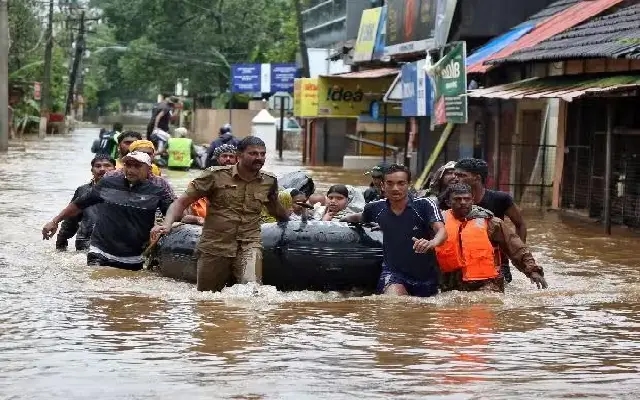


Following heavy rains and flood-like situations across Kerala, 34 relief camps have been established to aid affected families. So far, 666 families, comprising 2,054 individuals, including children, have been relocated. On May 28, 50 houses were partially damaged, and two deaths were reported in Thiruvananthapuram. No deaths were reported on May 29.
Kollam has the highest number of evacuees (877), followed by Alappuzha (752), Kottayam (332), Ernakulam (58), and Thiruvananthapuram (35). The relief camps in Kollam also have the most children, with 184, followed by Alappuzha (107) and Kottayam (81).
The Indian Meteorological Department (IMD) predicts the onset of monsoon within 24 hours and “very heavy rainfall” in Kerala over the next 24 hours. A yellow alert has been issued for 11 districts, including Thiruvananthapuram, Kollam, Alappuzha, Pathanamthitta, Kottayam, Idukki, Ernakulam, Thrissur, Palakkad, Malappuram, and Kozhikode. Kasaragod, Kannur, and Wayanad are not expected to receive rain on May 30. The alert level has been downgraded from orange to yellow in these districts.
Since April 1, Kerala has recorded 24 natural disaster-related deaths, including nine from drowning, six from lightning, and three from sunstroke. Other causes include wall collapse (one), tree fall (two), and wild animal attacks (two).
Ernakulam has been particularly hard-hit, with city roads and low-lying suburbs submerged for a second day. Kalamassery is experiencing a flood-like crisis, with residents evacuated to relief camps. In the city, areas like Edappally, Palarivattom, and MG Road are inundated. The Thrikkakara area is severely waterlogged, with a wall collapse at the Thrikkakara Vamana Moorthy temple. Delays in urban flood mitigation efforts, unscientific construction, and poor pre-monsoon preparations are cited as reasons for the crisis.