







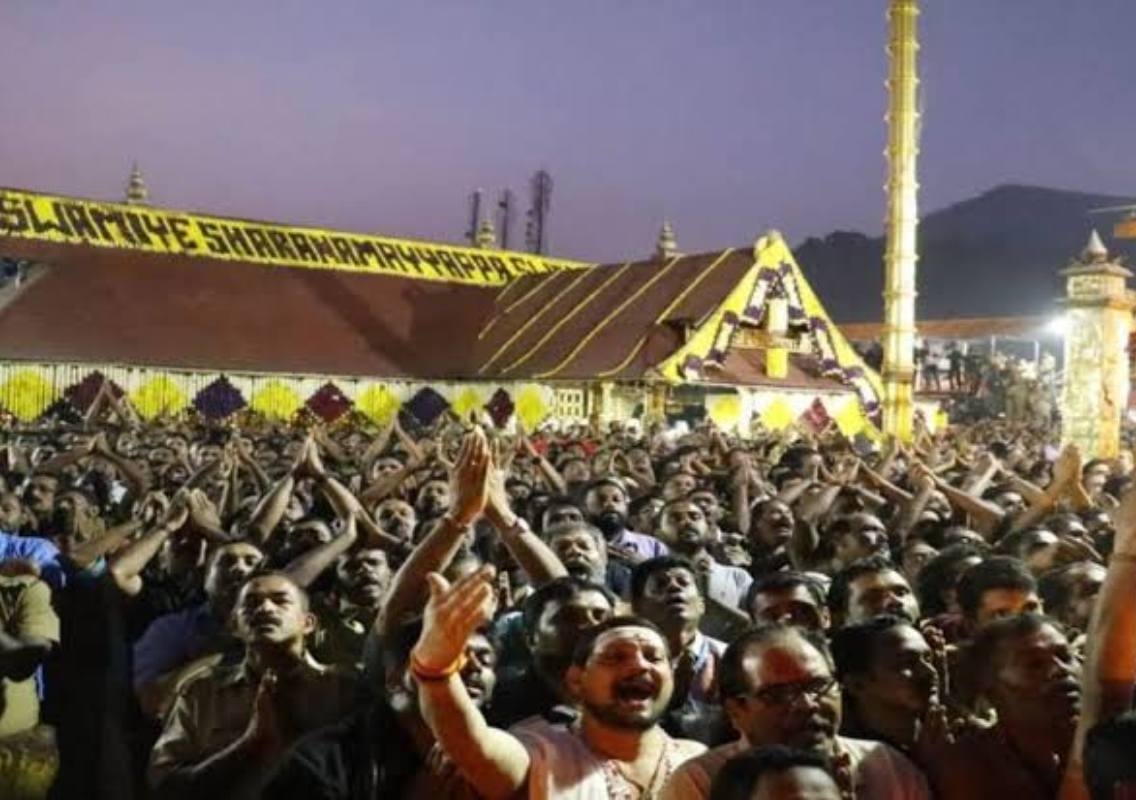


Pathanamthitta: The Kerala Health Department has issued safety guidelines for Ayyappa devotees undertaking the arduous trek to Sabarimala, urging pilgrims to take precautions against cardiac emergencies and avoid excessive physical exertion during the pilgrimage season.
The advisory particularly emphasises medical screening for devotees with a history of heart disease, regular medication, adequate rest and prompt medical assistance if symptoms of a cardiac emergency develop.
The department has advised pilgrims with a history of heart-related ailments to undergo a medical check-up and obtain fitness clearance from a doctor before setting out on the trek. Those who have recently suffered a heart attack, undergone heart surgery or angioplasty, or experienced heart failure have been advised against undertaking the pilgrimage without consulting a specialist.
Medical screening and medication advised
The health department urged devotees to ensure that lifestyle-related health conditions are under control before beginning the pilgrimage. Pilgrims taking prescribed medicines should continue their medication regularly and carry sufficient supplies along with their prescriptions.
The advisory highlights the importance of assessing one’s physical capacity before undertaking the demanding uphill trek to the hill shrine. Devotees have been advised not to push themselves beyond their limits, particularly if they have underlying health conditions.
Pilgrims with a history of cardiac ailments are encouraged to seek professional medical advice about whether they can safely undertake the trek and what precautions they should follow along the route.
Pilgrims urged to pace themselves during trek
The department has stressed that devotees should climb the hill at a pace suited to their physical capacity, avoiding excessive speed and strenuous exertion.
Pilgrims have been advised to:
- Take frequent breaks during the trek.
- Drink sufficient water, unless their doctor has advised fluid restriction.
- Avoid climbing the hill on an empty stomach.
- Avoid running or pushing through crowded areas.
- Continue taking prescribed medicines.
- Carry medicines and prescriptions while trekking.
Those with heart failure who have been advised to limit their fluid intake should strictly follow their doctor’s instructions rather than increase water consumption indiscriminately.
The department has also urged pilgrims to remain mindful of their physical condition throughout the journey and avoid unnecessary strain, especially during crowded stretches of the pilgrimage route.
Warning signs of a cardiac emergency
The health department has identified several symptoms that pilgrims should not ignore while trekking. These include chest pain, heaviness or tightness in the chest, discomfort, breathlessness, excessive sweating, dizziness, fainting, an abnormal heartbeat and sudden extreme fatigue.
Pain spreading to the arms, jaw or back could also indicate a possible cardiac emergency.
Devotees experiencing any of these symptoms have been advised to stop walking immediately, rest in a safe place and seek medical assistance at the nearest emergency medical centre.
If necessary, pilgrims should use ambulance services to reach a hospital without delay. The department has provided the emergency assistance number 04735 203232 for devotees seeking help during the pilgrimage.
The advisory seeks to encourage pilgrims to recognise potential warning signs early and avoid continuing the trek when experiencing symptoms that could indicate a serious medical condition.
Sabarimala Mandala and Makaravilakku pilgrimage schedule
The Sabarimala Mandala pilgrimage season began on November 17. Mandala Pooja will continue until December 27, after which the temple will reopen on December 30 for the Makaravilakku pilgrimage season.
The Makaravilakku festival is scheduled for January 14. Devotees will be allowed to have darshan until January 19, and the temple will close on January 20.
With thousands of devotees undertaking the pilgrimage during the season, the health department has reiterated the importance of following safety precautions, carrying prescribed medication and seeking immediate medical attention in case of cardiac symptoms.