







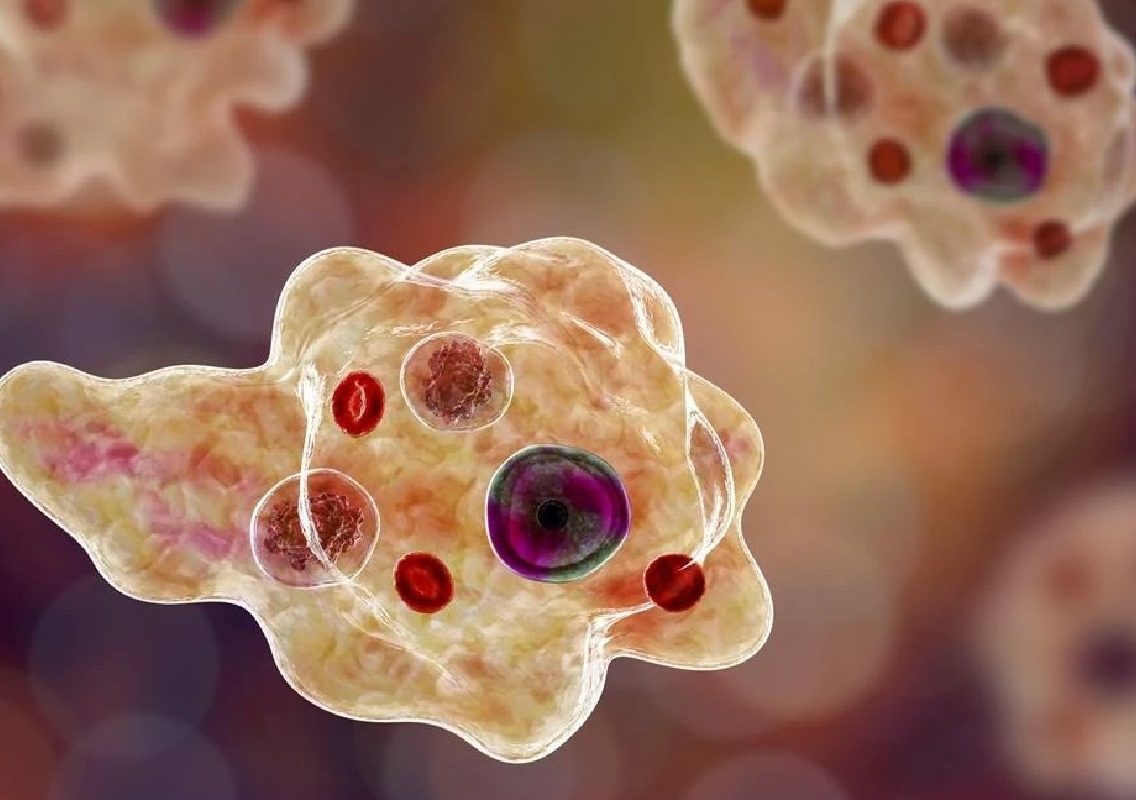


In a concerning development, Kerala has reported a total of five deaths from amoebic meningoencephalitis, a rare and fatal brain infection, from January to August this year. The Health Minister, Veena George, provided this update on Wednesday, revealing that the state has been grappling with the challenges posed by this unusual and severe illness.
According to Health Minister Veena George, Kerala has documented 15 cases of amoebic meningoencephalitis this year. Of these, nine are currently active cases, with seven of the 15 cases having been reported in the state’s capital, Thiruvananthapuram. The minister indicated that six patients are receiving treatment, while two additional cases are suspected and are also hospitalized.
Amoebic meningoencephalitis is a particularly rare disease, and as such, there are no established national guidelines for its treatment. In response to the outbreak, Kerala has developed its own set of treatment guidelines tailored to managing the condition. The Union government initially provided the necessary medication, but due to the increased demand, the state has also procured additional supplies from Germany.
Minister George assured that the condition of the hospitalized patients is currently stable. Early diagnosis and prompt treatment are critical for saving lives, and a medical board has been established to monitor the patients’ progress closely. The state has also reached out to the Indian Council for Medical Research (ICMR) for collaborative study and research, which has been positively received.
The Health Minister clarified that amoebic meningoencephalitis is not contagious and does not spread through direct contact. The infection is transmitted through amoeba and can occur in individuals with sensitive nasal membranes or those who have undergone skull surgery. The exact method of infection, particularly in children, is still under investigation. Contaminated water is suspected to be a primary source of the infection.
In light of the outbreak, the health department has urged the public to report any symptoms, including headaches, to facilitate early detection and treatment.
The state is actively seeking additional medication and anticipates receiving it within the next month. Given the lack of global literature on this rare disease, Kerala aims to establish comprehensive guidelines for managing amoebic meningoencephalitis, setting a precedent for future cases.
The outbreak of amoebic meningoencephalitis in Kerala underscores the urgent need for specialised treatment and public awareness. With the state government’s proactive measures and the collaboration with national research institutions, there is hope for better management and eventual containment of this rare and serious infection.