







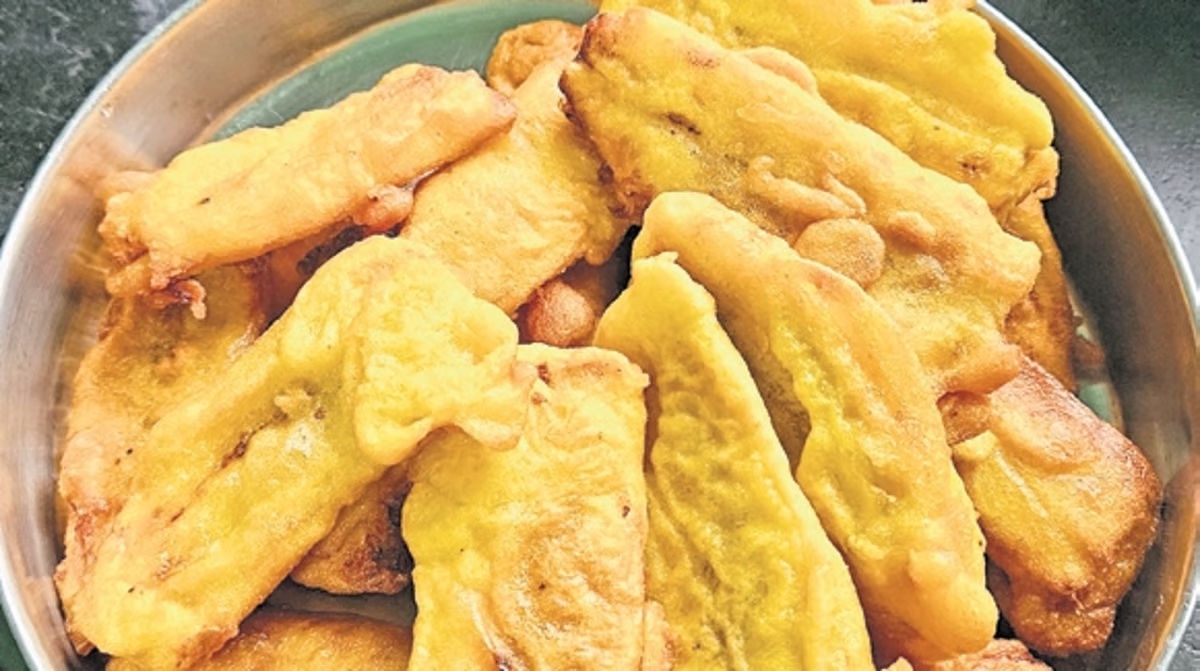


In Kerala, the traditional banana fritter, popularly known as ‘pazhampori,’ ‘ethakkaappam,’ or ‘vazhakkappam’ in different regions, is now embroiled in a taxing issue. These popular snacks have been placed under an 18% GST, while their smaller cousin, ‘unniappam,’ enjoys a much lower tax of just 5%. This stark contrast has sparked frustration among many local bakers.
The issue stems from the classification of these items under the Harmonized System of Nomenclature (HSN), which determines the tax rate based on a product’s specific classification. While global standards exist for HSN codes, countries have the discretion to set their own tax rates. In India, it is the GST Council that establishes these rates.
Kiran S Palakkal, president of the Bakers Association Kerala (Bake), explains that slight differences in ingredients or preparation methods often lead to snacks being classified under different tax slabs. Legal expert Sherry Oommen highlights that the classification issue is a complex one. Often, the GST department taxes items at 18% if they aren’t specifically covered for lower rates, adding confusion.
However, there is some hope. Recently, the Kerala High Court and the Authority for Advance Ruling (AAR) have helped lower the tax on certain traditional sweets and snacks, such as unniappam and neyyappam, from 18% to 5%. Yet, Kiran warns that approaching the AAR can be a slow process, especially for small businesses facing financial strain from unsold products.
Kerala businessman robbed of car on Mysuru outskirts
Kerala court sentences Greeshma to death for poisoning her lover, Sharon Raj
#GSTconfusion #KeralaSnacks #TraditionalSweets #TaxDebate