







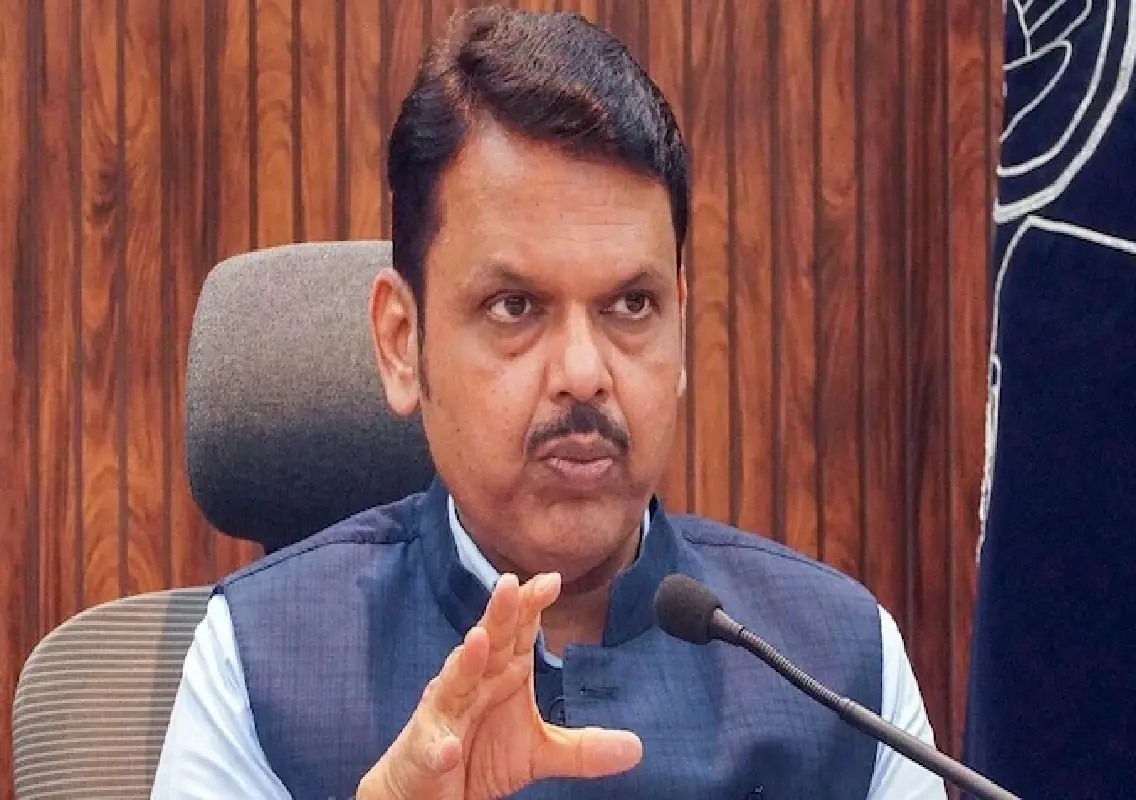


Mumbai: Devendra Fadnavis on Friday urged residents of Maharashtra to learn Marathi, while firmly stating that any form of violence in the name of language is “unacceptable”.
His remarks come amid a renewed debate over the state government’s directive making Marathi language proficiency mandatory for autorickshaw and taxi drivers, a move that has sparked protests from sections of transport workers.
Call for linguistic pride
Fadnavis emphasised the importance of preserving and promoting the Marathi language, describing it as a matter of cultural pride.
“Whoever resides in Maharashtra should try to learn Marathi. If they haven’t learnt it, we will teach them,” he said, while reiterating that the state has always welcomed people from across the country.
He added that Maharashtra has never been exclusionary and continues to remain a progressive and reformist state that contributes significantly to India’s economy.
Directive triggers protests
The controversy intensified after Transport Minister Pratap Sarnaik announced that autorickshaw and taxi drivers would need to demonstrate the ability to read and write Marathi.
Under the proposed verification drive, drivers will be tested at 59 regional and sub-regional transport offices across the state. The rule is expected to affect a large number of migrant drivers working in cities like Mumbai and Pune.
Driver unions have criticised the move, calling it discriminatory and warning of statewide protests if the requirement is enforced with penalties.
Legal framework under scrutiny
The issue has also raised questions about its legal validity under the Motor Vehicles Act, 1988, which governs driving licence eligibility across the country.
While the central law sets basic criteria, it allows states to frame additional rules. In Maharashtra, Rule 24 of the state’s Motor Vehicles Rules requires drivers of certain public service vehicles to have a working knowledge of Marathi and another local language.
However, the applicability of this rule remains contested.
High Court ruling complicates enforcement
A 2017 ruling by the Bombay High Court in the Shivpujan Kumar case held that autorickshaws fall under the category of “motor cabs”.
Since motor cabs are exempt from the language requirement under Rule 24, the court concluded that Marathi proficiency cannot be made mandatory for autorickshaw drivers.
This judgment has created a legal grey area, particularly regarding enforcement of the current directive.
Balancing policy and inclusivity
Fadnavis’s remarks appear aimed at striking a balance between promoting regional identity and maintaining social harmony.
He stressed that while linguistic pride is important, it must not lead to conflict or exclusion.
Conclusion
The Marathi language mandate has reignited debates around regional identity, migrant rights, and legal boundaries. While the state government pushes for cultural integration, legal challenges and public opposition suggest that the issue is far from settled.