







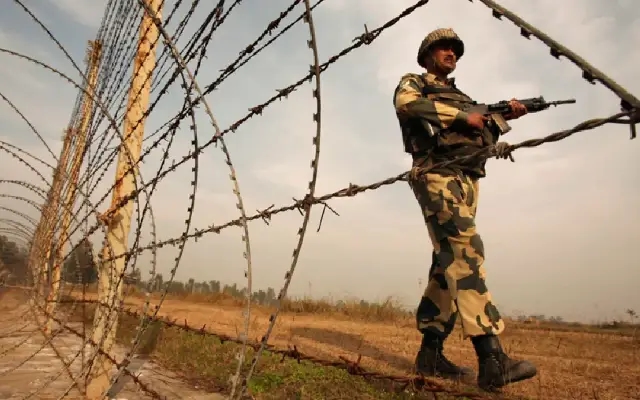


The Indian military, once anchored in a cohesive colonial framework, is witnessing shifts that many believe threaten its foundational ethos. Critics argue that under Prime Minister Narendra Modi’s leadership, nationalist agendas are eroding the military’s apolitical and secular fabric, aligning it with government ideology.
The prime minister’s call to shed colonial traditions and embrace lessons from ancient Indian scriptures has sparked fierce debate. Military customs, from formal attire to ceremonial music, are being reshaped. Symbols of historic triumphs, like the 1971 war victory image in the Army Chief’s lounge, have been replaced with visuals blending mythology and contemporary military operations. This, some claim, diminishes the significance of India’s decisive victory over Pakistan, a hallmark of modern military success.
Replacing the 1971 surrender image—a moment of unparalleled national pride—with Operation Snow Leopard, a limited tactical action in Ladakh, raises eyebrows. Critics suggest this reflects a disregard for historical milestones achieved under previous political regimes.
Observers warn that ancient philosophy may inspire but cannot substitute the technological expertise required in today’s warfare. As artificial intelligence reshapes global defense strategies, relying on scriptures for strategic thinking could leave the armed forces unprepared.
The call is clear: the military must maintain its independence, professionalism, and secular roots. Questions linger—has this ideological shift reached the Army Chief’s office? And where has the iconic 1971 image been stored?