







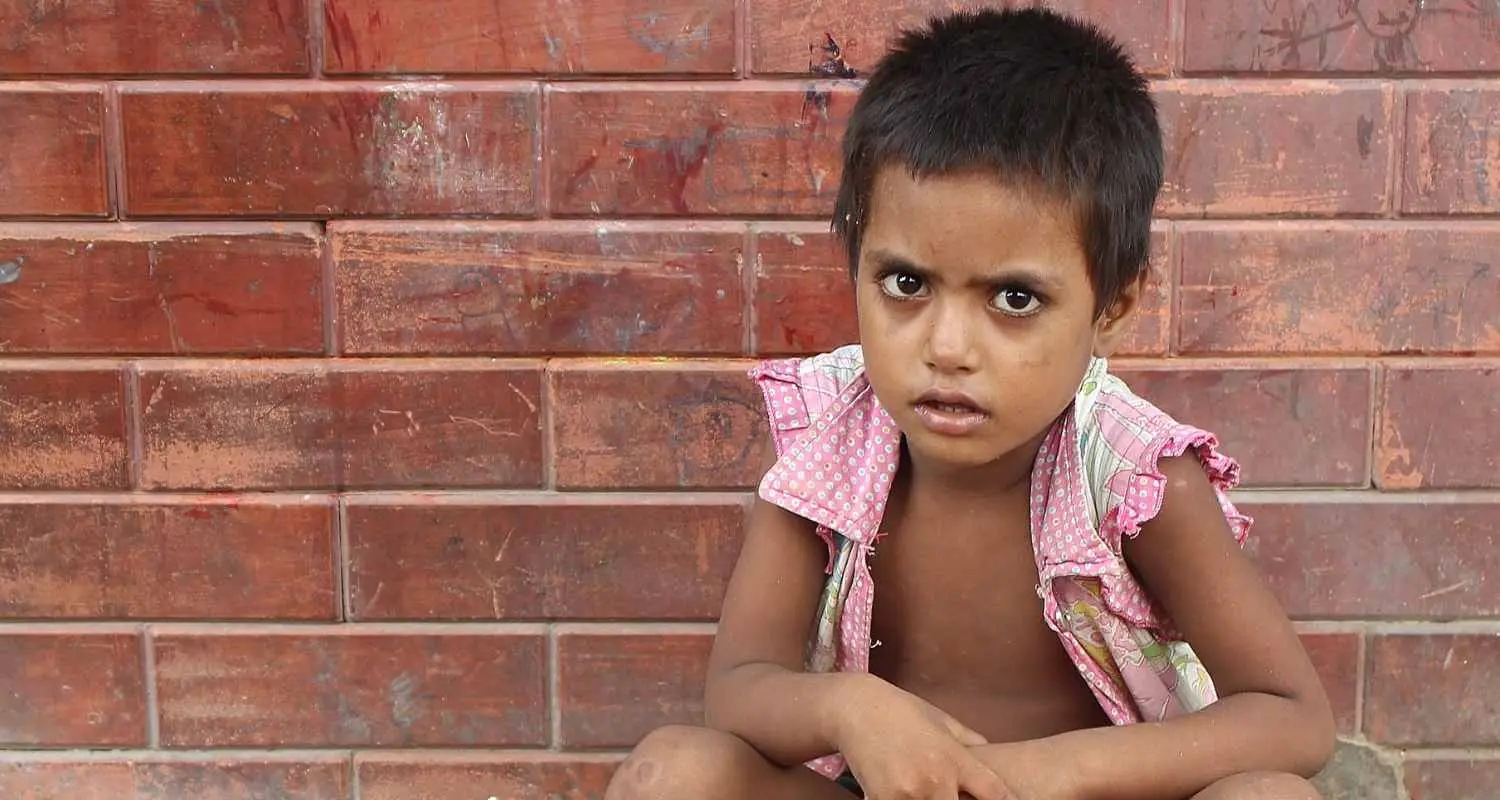


In a significant ruling aimed at protecting vulnerable children, the Madras High Court on Thursday directed authorities to immediately rescue children found begging in public places and place them in protection centres within 24 hours.
The directive comes amid growing concern over the increasing number of children seen begging across metropolitan areas, including Chennai, on roads, at bus terminals and inside trains.
Court flags serious child safety concerns
A division bench comprising Chief Justice M.M. Srivastava and Justice G. Arulmurugan passed the order while hearing a petition filed by Chennai-based advocate Tamilvendhan, who sought a thorough probe into whether women begging with children are their biological mothers.
The petitioner raised serious doubts about the safety and identity of children being used for begging, pointing out that in many cases there was no physical resemblance between the women and the children they carried.
Suspicion of drugging and trafficking
Tamilvendhan also highlighted that several children were found continuously asleep, unaffected by sunlight, traffic noise or other disturbances.
“This raises suspicion that children may be administered sleeping pills, alcohol or other drugs,” the petition stated.
He further alleged that many women begging with children do not speak Tamil, raising fears of organised trafficking and interstate exploitation.
Rescue first, verification later: Court
Taking note of the seriousness of the allegations, the High Court ordered that children found begging must be rescued immediately, with verification of parentage and further investigation to follow.
The bench clarified that rescue and protection should not be delayed in the name of preliminary enquiries.
Flying squads suggested across districts
The judges suggested the formation of flying squads in all districts to identify and rescue children involved in begging.
“Many parents are earning money using their children. Cases are being registered across India regarding the use of children in narcotics-related activities,” the bench observed.
Government pulled up for poor enforcement
The court also expressed concern over inadequate enforcement of existing child protection laws.
“In 90 per cent of cases, action is taken only after court orders. The government is not fully implementing the law,” the judges noted, adding that authorities can verify parentage using birth certificates and official records.
The hearing was adjourned after the bench directed that the State Social Welfare Department be impleaded as a party to the case.