







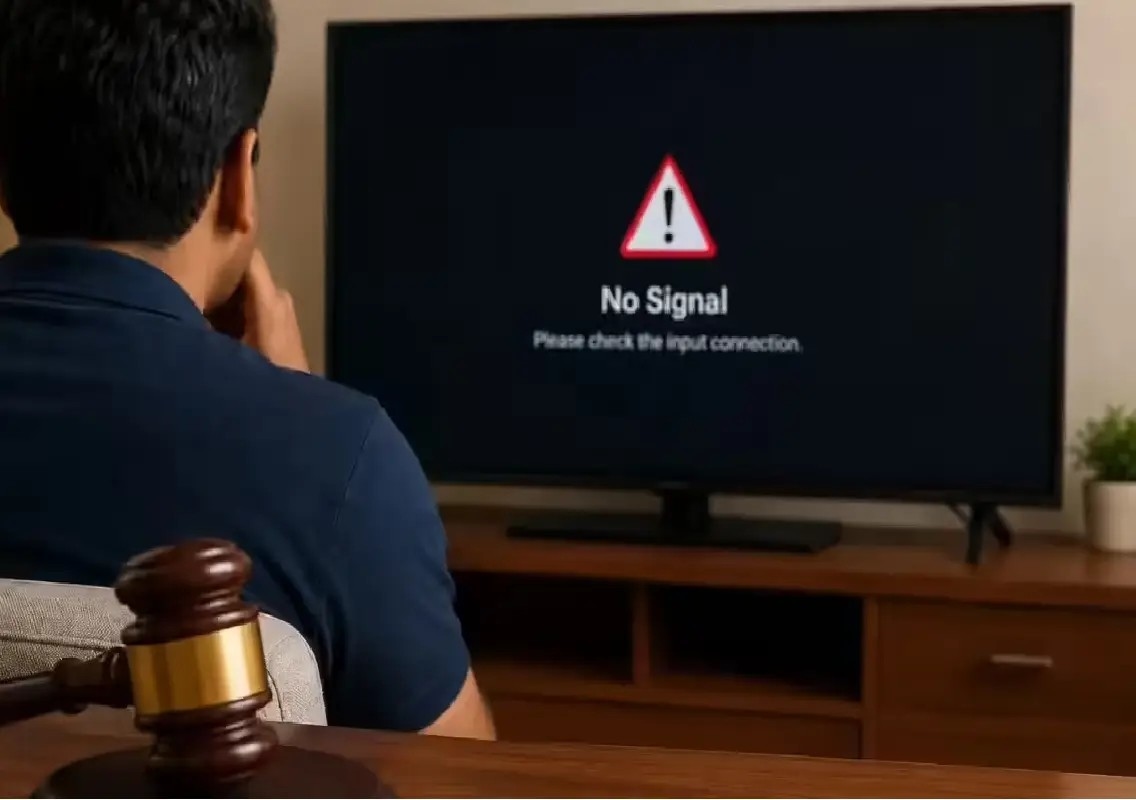


A consumer commission has directed compensation for a customer who received a non-functional smart television purchased through an online platform, highlighting the rights of consumers in e-commerce transactions.
According to a report by The Indian Express, the buyer had ordered a smart TV worth around ₹6,000 through the e-commerce platform Flipkart. However, upon delivery, the television was allegedly found to be non-functional, effectively making it a “dead-on-arrival” product.
Complaint filed after resolution attempts fail
The consumer reportedly approached the seller and platform seeking a replacement or refund after discovering that the television was not working.
When the issue was not resolved satisfactorily, the matter was taken to the consumer commission, which examined the evidence presented by both sides.
Commission rules in favour of consumer
After reviewing the case, the consumer forum held that the customer had received a defective product and was entitled to relief under consumer protection laws.
The commission ordered the opposite parties to compensate the buyer, with the total payout reportedly amounting to around ₹22,000, significantly higher than the original purchase price of the television.
The compensation included reimbursement of the product cost along with additional amounts awarded for mental agony, inconvenience and litigation expenses, reflecting the consumer forum’s view that the buyer should not suffer because of deficiencies in service.
Reminder of consumer rights
The ruling serves as a reminder that consumers purchasing products online are entitled to receive goods that function as advertised and can seek legal remedies when sellers fail to address legitimate grievances.
Consumer courts across India have increasingly held manufacturers, sellers and service providers accountable in cases involving defective products, delayed services and warranty disputes.
Growth of e-commerce disputes
With online shopping continuing to grow rapidly, disputes relating to defective electronics, warranty claims and refund policies have become increasingly common.
Legal experts note that consumers should preserve invoices, delivery records, complaint emails and chat communications, as such documentation often plays a crucial role in establishing their case before consumer forums.