







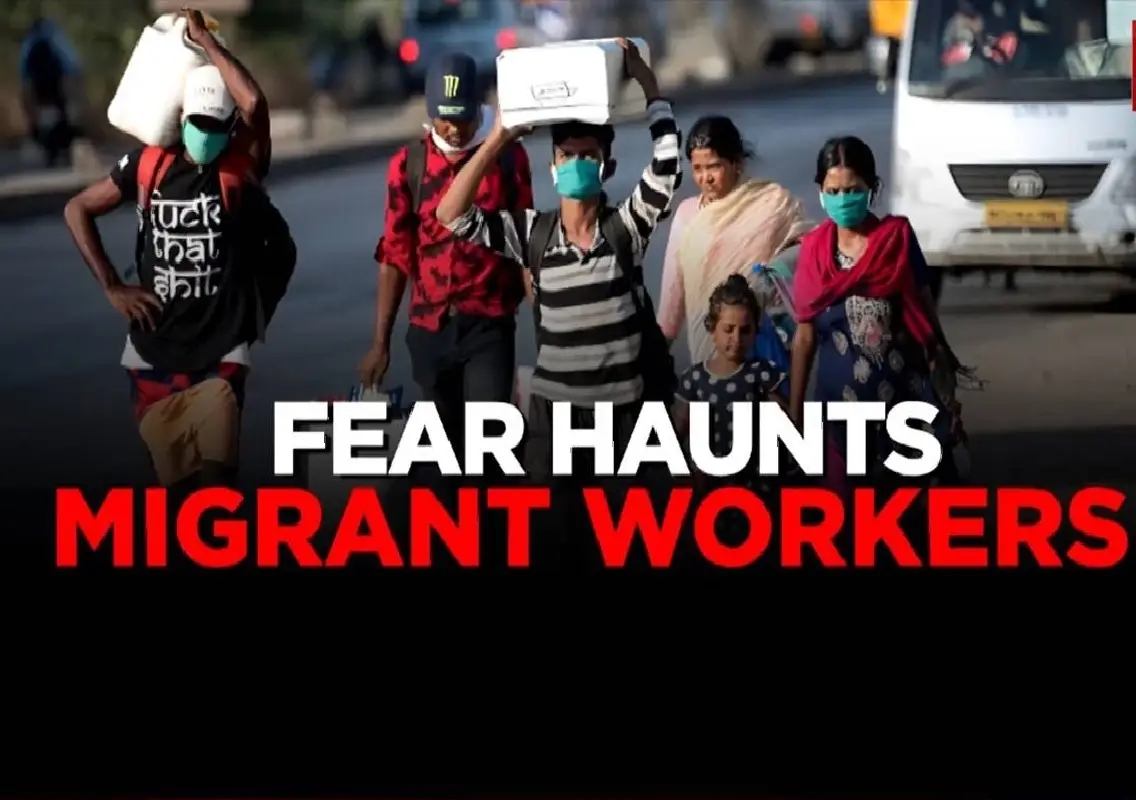


The killing of 20-year-old migrant worker Juel Rana has sent shockwaves through villages in West Bengal, highlighting the growing sense of fear and vulnerability faced by Bengali-speaking labourers working outside their home state.
Juel, a resident of Chakbahadurpur village in Murshidabad district, had travelled to Odisha to work as a mason, part of a steady stream of young men leaving the region due to shrinking rural wages and lack of regular employment.
## Assault followed questioning over identity
According to family members, Juel was confronted late at night in Sambalpur by a group of men who questioned his presence and identity, allegedly referring to him as a “Bangladeshi”. He was attacked and later succumbed to his injuries.
An FIR has been registered under relevant sections of the Bharatiya Nyay Sanhita, and six accused have been arrested. Juel’s body was brought back to his village, where grief and anger spread rapidly among residents. He is survived by his father and two sisters.
## A wider pattern beyond one incident
Juel’s death is not being viewed as an isolated crime. In recent months, multiple reports have emerged of Bengali-speaking migrant workers being harassed, assaulted or detained in several states after being labelled as “illegal Bangladeshis”.
Human rights groups and migrant unions say such profiling intensified after the implementation of a Union home ministry circular in 2025 allowing verification of “suspected illegal immigrants”, which many workers claim has been misused against poor labourers.
## Migration driven by survival, not choice
Murshidabad has one of the highest migration rates in the state, with nearly half of households dependent on migrant income. Daily wages in rural Bengal often range between Rs 250 and Rs 300, while construction work in southern and western states pays significantly more.
Community leaders say this economic gap leaves families with little choice but to migrate, even as risks to safety increase.
## Calls for protection and dignity
Migrant rights groups have urged stronger inter-state coordination, protection mechanisms and clear safeguards to prevent profiling based on language or religion.
For families like Juel Rana’s, the tragedy has laid bare a harsh reality: migration has become a necessity, but safety and dignity remain uncertain.