







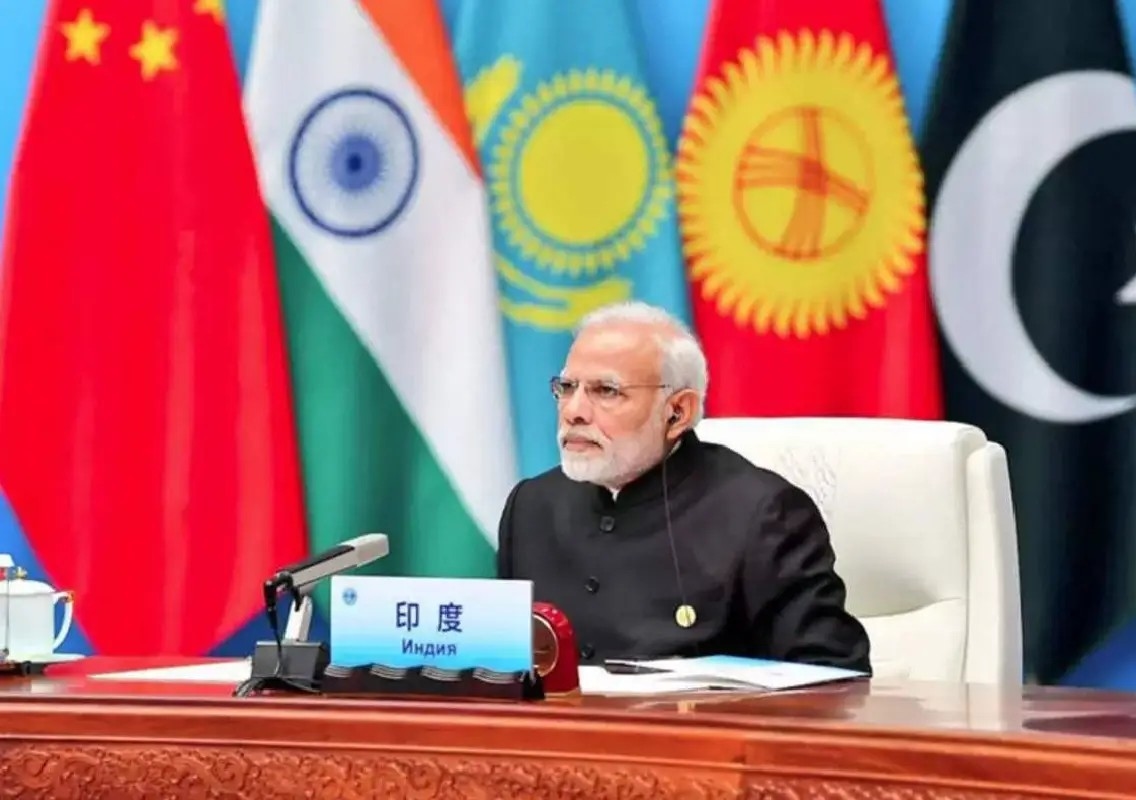


New Delhi: Prime Minister Narendra Modi is set to embark on a four-day visit to Uzbekistan and the Kyrgyz Republic from August 29 to September 1, as India looks to deepen its strategic and economic engagement with Central Asia.
The visit will begin in Tashkent and later move to Bishkek, where Modi will attend the Shanghai Cooperation Organisation (SCO) Summit and meet leaders from across the region.
What is on the table in Uzbekistan?
Modi will begin his visit in Tashkent, where he is expected to hold delegation-level talks with Uzbek President Shavkat Mirziyoyev on August 29 and 30.
The discussions are likely to cover a wide range of areas, including trade, investment, defence, critical minerals, healthcare, energy, education, digital connectivity and technology.
India and Uzbekistan are also expected to explore fresh opportunities in pharmaceuticals, space and business-to-business cooperation as both countries seek to expand their economic partnership.
A partnership worth nearly $1 billion
Economic ties are expected to receive particular attention during the visit.
India is among Uzbekistan’s top 10 trading partners, while bilateral trade and investments together are close to $1 billion.
Critical minerals, pharmaceuticals, healthcare and information technology are already areas of cooperation. The two sides are now looking towards emerging sectors such as space and advanced technology.
The discussions will also explore ways to align India’s Viksit Bharat 2047 vision with Uzbekistan’s Uzbekistan-2030 development goals.
Thousands of Indian students add another link
The relationship extends beyond trade and government-to-government ties.
More than 16,000 Indian students are currently studying in Uzbekistan, while four Indian university campuses have been established there.
Indian companies have also invested in sectors including pharmaceuticals, automobile components, amusement parks and education.
Modi is expected to visit the Shastri Memorial and the Mahatma Gandhi Centre at the Tashkent State University of Oriental Studies, highlighting the historical and cultural links between the two countries.
Then comes the bigger regional stage
After his Uzbekistan engagements, Modi will travel to Bishkek from August 31 to September 1 to attend the 26th SCO Summit at the invitation of Kyrgyz President Sadyr Zhaparov.
The summit comes as the organisation marks 25 years since its establishment.
India became a full member of the SCO in 2017 after holding observer status since 2005. At the summit, Modi is expected to highlight security, connectivity and opportunity as key priorities.
Bilateral meetings could add to the agenda
The SCO gathering will also give Modi an opportunity to meet leaders of member states separately.
India’s engagement with the organisation has traditionally focused on security, economic cooperation, connectivity, respect for sovereignty and territorial integrity, unity and environmental concerns.
With Central Asia becoming increasingly important to India’s strategic and economic interests, the meetings in Bishkek could prove significant for India’s wider regional engagement.
A cultural moment before the visit ends
Modi will also attend the opening ceremony of the sixth World Nomad Games in Bishkek.
The event celebrates the cultural heritage of Central Asia and will add a cultural dimension to a visit otherwise centred on diplomacy, trade and regional security.
From new economic opportunities in Tashkent to high-level discussions at the SCO Summit, Modi’s four-day journey is expected to put India’s growing engagement with Central Asia firmly in the spotlight.