







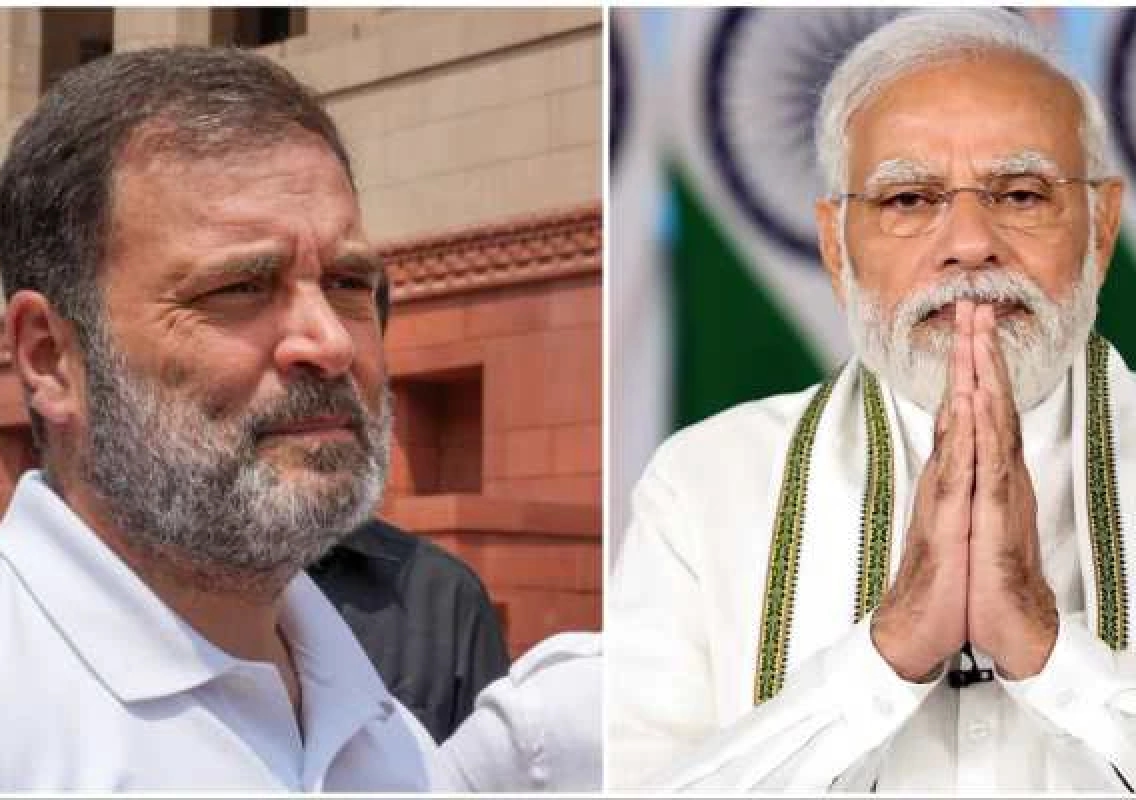


Prime Minister Narendra Modi is scheduled to visit Kerala’s Wayanad district on Saturday to review the impact of devastating landslides that have resulted in significant loss of life and property. The catastrophic event, which occurred on July 30, has claimed at least 226 lives, with many others reported missing or displaced.
Modi’s visit aims to assess the extent of the damage and to oversee the ongoing relief and rehabilitation efforts. According to official sources, Modi will arrive in Kannur around 11 am and proceed with an aerial survey of the landslides-affected areas in Wayanad. This will be followed by meetings with rescue teams and interactions with survivors currently housed in relief camps and hospitals.
The prime minister’s itinerary includes a detailed briefing on the evacuation efforts and the status of the relief operations. Modi is expected to chair a review meeting to discuss the progress and future needs related to the disaster response. His visit underscores the government’s commitment to addressing the crisis and providing support to those affected by the natural calamity.
Rahul Gandhi, the Leader of the Opposition in the Lok Sabha and former Congress chief, has publicly praised Modi’s decision to visit Wayanad. In a statement posted on X, Gandhi expressed gratitude and hope that the visit would lead to the declaration of a national disaster. “Thank you, Modi ji, for visiting Wayanad to personally take stock of the terrible tragedy. This is a good decision,” Gandhi remarked. He added, “I am confident that once the Prime Minister sees the extent of the devastation firsthand, he will declare it a national disaster.”
Gandhi, who previously represented Wayanad in the Lok Sabha, has been vocal about the need for increased support and recognition of the scale of the disaster. His comments reflect a broader call for heightened attention and resources to assist in the recovery and rebuilding efforts in the affected region.
The landslides in Wayanad, one of the most severe natural disasters to strike Kerala in recent history, have prompted extensive emergency response operations. The destruction has been profound, with numerous homes and infrastructure severely impacted. The disaster has tested the resilience and coordination of both local and national agencies working to provide aid and support.
During his visit, Modi is also expected to meet with officials and discuss the steps being taken to support the affected communities. The review meeting will focus on evaluating the effectiveness of the current relief measures and identifying additional resources and strategies needed for the ongoing response.
As the situation in Wayanad continues to evolve, the visit by the Prime Minister represents a crucial moment in the recovery process. The attention and resources directed towards the disaster-affected areas will play a key role in addressing the immediate needs of survivors and planning for long-term rehabilitation.