







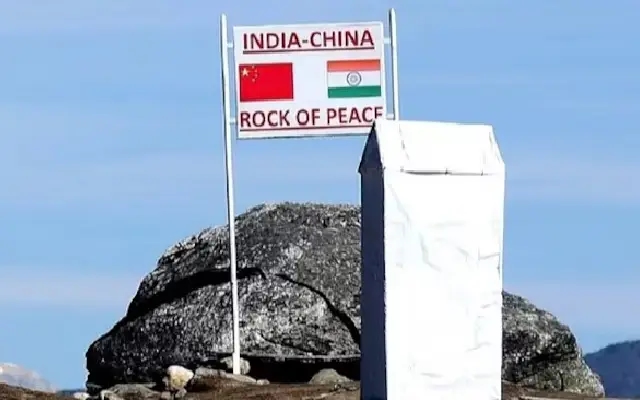


New Delhi: In a move to counteract China’s recent initiative of renaming areas in India’s Arunachal Pradesh, the Indian government has embarked on a similar endeavor to rename approximately 30 locations within China’s Tibet Autonomous Region, according to The Diplomat.
The newly re-elected NDA government, under the leadership of Prime Minister Narendra Modi, has approved the renaming of these Tibetan locations, marking a strong response to China’s naming actions. The selected names have been meticulously researched, drawing from historical significance and ties to the Tibetan region. These names will be officially announced by the Indian Army and will appear on updated maps along the Line of Actual Control (LAC).
The list includes a variety of geographical features such as residential areas, mountains, rivers, a lake, and a mountain pass, with representations in Chinese characters, Tibetan, and pinyin. China had previously published multiple sets of standardized names for places in Arunachal Pradesh, with the latest list adding nearly as many new names as the prior three combined.
Former Intelligence Bureau officer Benu Ghosh, quoted by The Diplomat, stated, “PM Modi aimed to secure electoral victory by projecting a strongman image. Naturally, he would approve the renaming of Tibetan locations to reinforce that image.” Ghosh, an experienced analyst of China’s border issues with India, added, “This renaming campaign effectively reopens the Tibetan question.”
India’s assertive action occurs amid heightened tensions with China, especially since the border standoff in eastern Ladakh began in May 2020. The two nations have conducted 21 rounds of military negotiations to resolve the impasse. During PM Modi’s third term, India seeks to reinforce its territorial claims by renaming sites in occupied Tibet.
Despite China’s persistent claims, India has steadfastly maintained that Arunachal Pradesh is an integral part of its territory, emphasizing that China’s “invented” names do not change this reality. The Ministry of External Affairs has consistently upheld this position. Consequently, India’s firm response comes as global concern over China’s expansionist actions in regions like the South China Sea continues to rise.
India’s Minister of External Affairs, S Jaishankar, reiterated the nation’s strong stance on issues involving China and Pakistan. Addressing these concerns, he highlighted India’s determination to tackle border disputes with China and long-standing terrorism issues with Pakistan.