







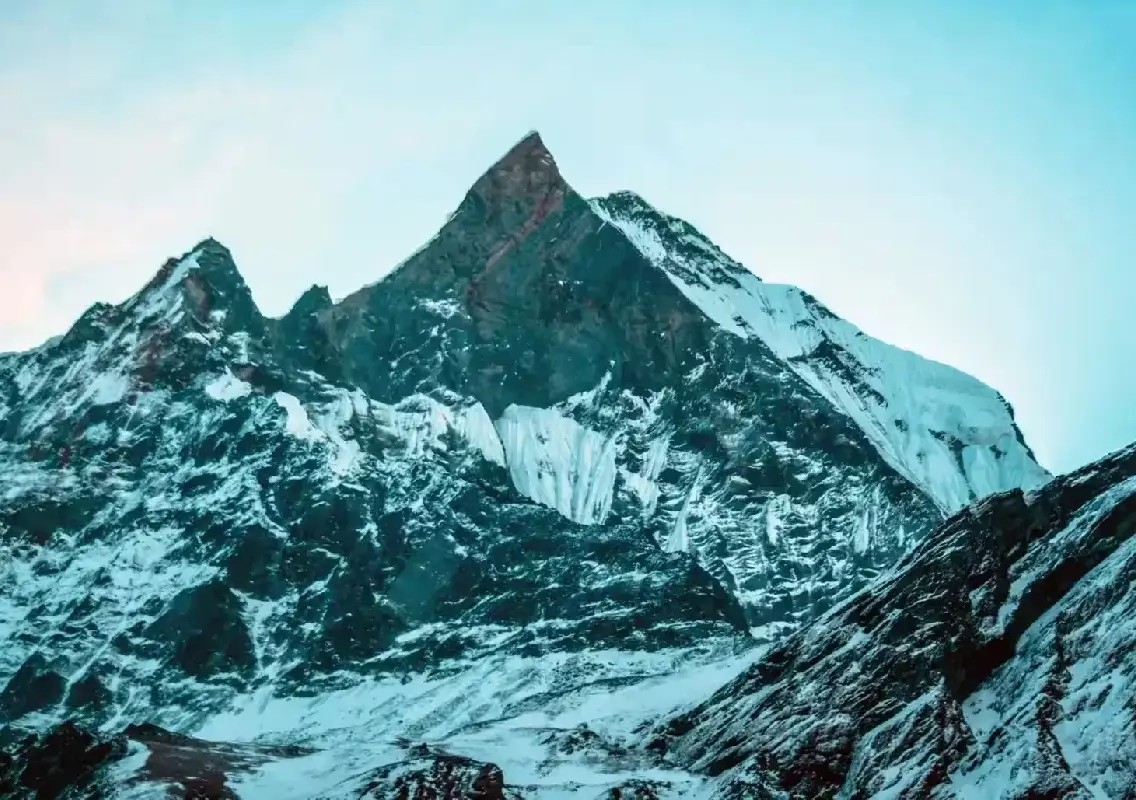


The devastating flash flood that struck the Nepal-Tibet border region on August 26 has raised an urgent question: are the Himalayan countries prepared for disasters that are becoming harder to predict?
Within minutes, the flood swept through homes and communities, taking lives and livelihoods with it. While scientific investigations into what triggered the disaster are still under way, the tragedy has highlighted a wider concern — climate change is rapidly altering the risks faced by people living in the Hindu Kush Himalaya.
Why are Himalayan disasters becoming harder to predict?
The region is experiencing changes across its cryosphere — the part of the Earth where water exists mainly as ice and snow.
Glaciers, snow, rock, water and mountain slopes are interacting in increasingly complex ways. Floods, landslides, glacial lake outburst floods, avalanches and thawing permafrost have already caused repeated destruction.
Climate change is also weakening the reliability of past patterns. Historical data remains important, but previous experience alone may no longer show what communities can expect in the future.
The biggest challenge may be uncertainty
Scientists face enormous challenges in monitoring the Hindu Kush Himalaya. The terrain is vast and difficult to access, while observation networks remain incomplete in many areas.
Extreme weather can further disrupt field research and monitoring. Yet better information is needed precisely because mountain conditions are changing so rapidly.
Experts say authorities cannot wait for complete scientific certainty before taking preventive action. Climate uncertainty itself must now be considered when planning infrastructure, settlements and disaster preparedness.
What needs to change before the next disaster?
The answer cannot come from one country or one institution.
Mountain hazards cross borders, making cooperation between Himalayan countries essential. Scientific attention must also extend beyond glaciers and glacial lakes to unstable slopes, rock-ice avalanches, changing snow conditions and thawing permafrost.
These hazards can interact and create cascading disasters, making it important to understand the mountain environment as one connected system.
The warning is already here
The August 26 disaster should not be remembered only for the destruction it caused. It should also be seen as a warning about how quickly climate risks are evolving.
The region needs stronger scientific monitoring, better early-warning systems, climate-resilient infrastructure and faster cooperation between countries.
Most importantly, scientific knowledge must reach the communities living closest to danger.
The challenge is no longer simply understanding whether another disaster will happen. It is preparing for one when the exact timing, location and scale may remain uncertain.