









Malappuram: Kerala’s Health Minister Veena George confirmed on Saturday that a 14-year-old boy from Malappuram district has been diagnosed with Nipah virus infection. The infection was verified by the Pune NIV (National Institute of Virology), and the boy is currently receiving treatment at a private hospital.
Minister George addressed the media, stating that the patient will soon be transferred to the government medical college in Kozhikode. Contact tracing efforts have commenced, with high-risk contacts already isolated and their samples sent for testing. The child remains under treatment and is on a ventilator, according to the Minister.
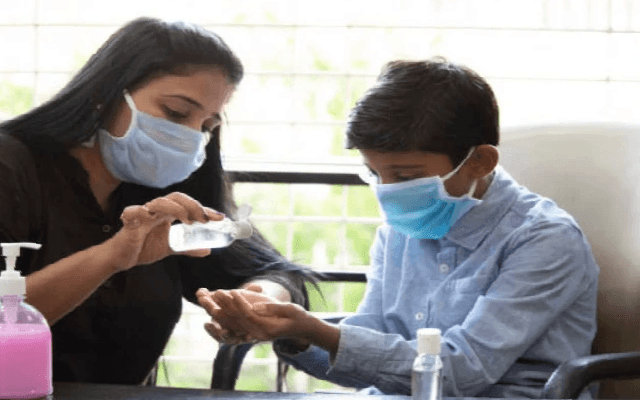
Precautionary measures are in place, including the advice for residents of Pandikkad and nearby areas to wear masks in public places and avoid visiting patients in hospitals. Additionally, a monoclonal antibody, previously procured from Australia and stored at Pune NIV, is scheduled to arrive in Kerala on Sunday. A strict observation zone within a three-kilometer radius of Pandikkad has been established with impending restrictions.
The Health Department disclosed that the boy sought initial treatment at a private clinic on July 12, later being admitted to a private hospital in Perinthalmanna before being transferred to Kozhikode.
Key measures taken by the Kerala Government include:
- Implementation of mask-wearing and visitation restrictions in Pandikkad and nearby hospitals.
- Establishment of 30 isolation rooms and a six-bed ICU at Manjeri medical college.
- Isolation of all individuals who have had contact with the infected boy.
- Opening of a 24-hour control room with a call center in Malappuram.
Meanwhile, Wayanad District Medical Officer P. Dinish advised caution to residents following the confirmation of Nipah virus in neighboring Malappuram district. He emphasized the importance of recognizing symptoms such as fever, severe headache, fatigue, vomiting, weakness, fainting, and blurred vision, urging immediate medical attention upon their appearance.
The health department also issued guidelines to prevent Nipah transmission, including the use of masks, frequent handwashing, and precautions against eating fruits exposed to animals or birds, and avoiding open-container beverages like toddy.