







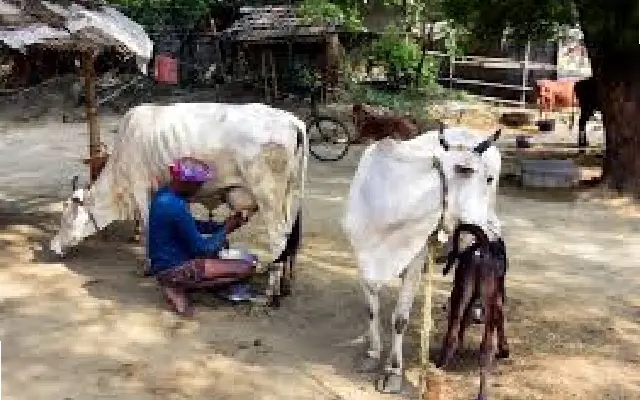


As India and the United States move toward finalising an interim trade agreement, disagreements over dairy imports have surfaced as a major sticking point. India has firmly insisted that any imported milk products must come from cows that have not been fed animal-derived ingredients such as meat, blood, or tallow.
This demand stems from deep cultural and religious beliefs. Milk, ghee, and other dairy items are an integral part of daily rituals for millions of Indians, most of whom follow vegetarian dietary practices. “Imagine eating butter made from the milk of a cow that consumed meat and blood. India may never allow that,” explained Ajay Srivastava of the Global Trade Research Institute in New Delhi.
The United States, one of the largest dairy exporters, views this certification requirement as an unnecessary trade barrier. American cattle feed regulations allow cows to consume a range of animal by-products, including pig blood, poultry waste, and rendered fats.
India, which produces and consumes more milk than any other nation, fears that opening its market to cheaper American dairy would flood domestic supply, drive down prices, and hurt millions of farmers. According to SBI estimates, such imports could cost the Indian dairy industry over ₹1 lakh crore annually.
Officials have stressed that dairy access remains a “non-negotiable red line.” India’s Department of Animal Husbandry requires strict veterinary certification for imports, a position the US has already challenged at the WTO.
These issues highlight how cultural sensitivities and economic protection are shaping the trade negotiations.