







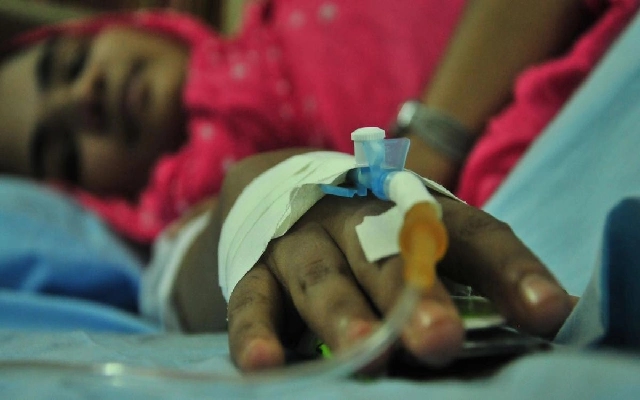


At 3:45 a.m. on June 19, 2024, 28-year-old wall painter G. Praveen walked into Kallakurichi Government Hospital with vomiting and severe stomach pain—symptoms of methanol poisoning he didn’t yet recognize. Treated and sent home, he died within hours. Praveen was among the first of 69 lives claimed in Tamil Nadu’s worst hooch tragedy in decades. His death left behind two orphaned sons, Joshua (7) and Moses (6), who now live with their grandmother Regina, their only pillar of support.
The illicit brew had been consumed on June 18 with his uncle, D. Suresh, who also died. While Suresh was a habitual drinker, alcohol was a rare escape for Praveen, said his grieving mother, who now clings to her grandchildren as her reason to live.
The state responded only after several deaths followed. By the time it swung into action, dozens had died, hundreds were hospitalised, and people were being moved to hospitals across districts and even to Puducherry’s JIPMER. The tragedy exposed glaring lapses in the enforcement of the liquor ban, coming barely a year after similar deaths in Villupuram and Chengalpattu.
Most victims came from Karunapuram, a settlement of marginalised, low-income families. There, hooch was sold openly near the local police station by a known offender, Kannukutty. Women in the community had long protested, but little changed.
The price of the government’s delayed reaction?
-
69 deaths
34 children lost a parent, four were orphaned
3 went blind, many now chronically ill
Though Rs 10 lakh compensation was given per death, the emotional and economic vacuum remains.
Children like Harish (15) and Ragavan (14), who performed last rites for both parents, try to move on through education. Their sister Kokila (17) chose to stay closer to home, still unwilling to speak about that day.
Other survivors like Anil (52), once a lively painter, are now blind and jobless. His wife Latha, who earns a meagre Rs 100 daily as a tailor, confessed her frustrations. “Sometimes I even wish he’d died. At least we’d have had the solatium.”
Rasheeda Begum, who lost husband Suresh, can’t forgive him. But her daughter Sushmitha (17), who misses him dearly, has excelled in studies, hoping for a medical career.
K Balu (30), blinded partially, gave up drinking entirely after realising his son might have been left alone. M Karthikeyan (32), who survived with internal injuries, still drinks, spending most of his earnings on Tasmac liquor.
Despite police crackdowns and the arrest of 250 offenders, bootleg alcohol’s devastating legacy remains in Karunapuram’s broken homes, shattered dreams, and deep resentment.
Women like Praveen’s sister Preetha continue to demand accountability, not just compensation. “Why blame us for taking the solatium? Blame those who poisoned our families,” she said.
Officials say awareness drives and women’s Self Help Groups are on the rise, with plans for housing and rehabilitation underway. But for families like Regina’s and Muniyamma’s, the wounds remain too raw, and the promises too late.