







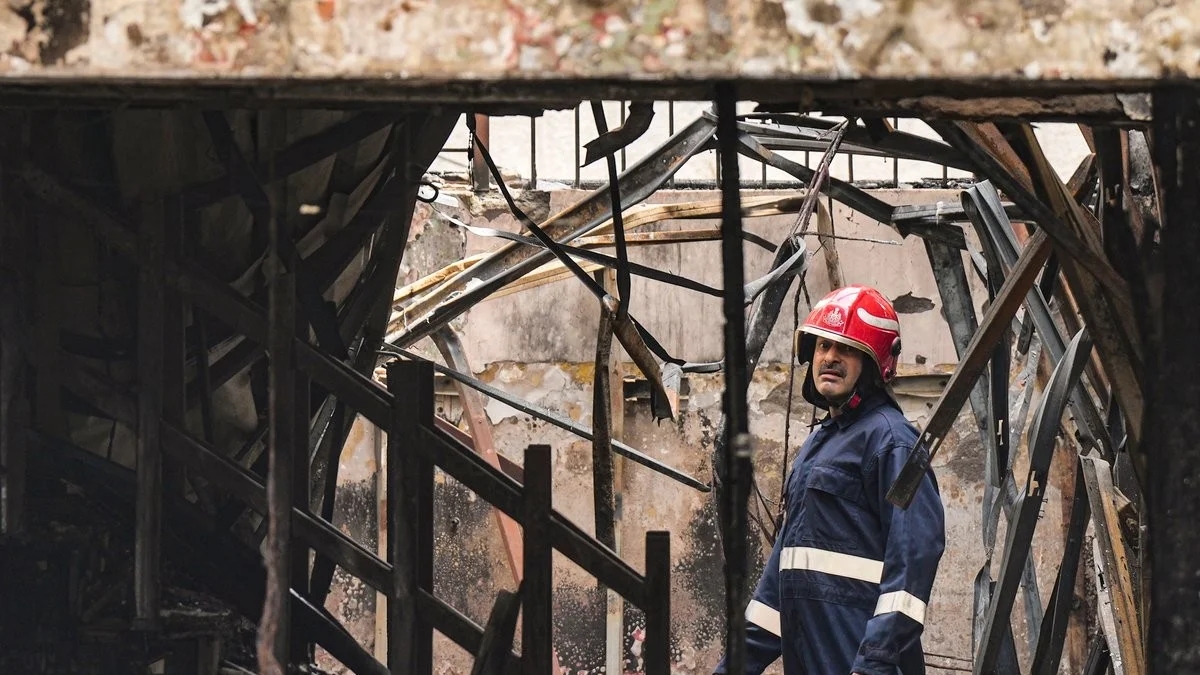


An alarming gap in fire safety compliance has come to light in the national capital, with data from the Delhi Fire Services (DFS) revealing that only 52 hotels and 38 clubs out of an estimated 3,000 establishments possess a valid fire safety certificate. The figures, which amount to less than 3% compliance, highlight a major public safety concern at a time when the country is still reeling from the Goa café fire that killed 25 people on Saturday night.
Thousands operating without mandatory certification
Industry observers say that Delhi may have well over 3,000 hotels, bars, clubs, and night-time venues, although exact numbers vary across online platforms and local authority records. DFS statistics indicate that the vast majority of these establishments operate without the mandatory fire safety certificate (FSC) required under state regulations.
According to online hotel listings, Delhi is home to 2,000–3,000 registered hotels and over 2,000 clubs. Yet, DFS data confirms that only around 2% of all businesses in this category currently hold fire clearance.
A DFS official noted that fire safety certificates are required for restaurants and establishments with a built-up area of 90 square metres or more, reiterating that compliance is essential for public safety.
Police intensify inspections ahead of festive season
Following the nightclub fire incident, the Delhi Police on Sunday directed hotels, clubs and other entertainment venues to immediately review their fire safety measures.
“Establishments must ensure that extinguishers are functional, exits remain unobstructed, and electrical load is monitored,” a senior officer said. Police will also deploy additional personnel outside nightclubs and maintain strict checks on compliance.
With Christmas and New Year approaching, authorities have stepped up patrolling at busy hotspots, increased PCR presence and enhanced motorcycle and foot patrols to ensure safety at high-density night-time venues.
Who requires a Fire NOC?
Under Rule 27 of the Delhi Fire Services Rules, 2010, several categories of buildings and establishments are mandated to obtain a fire safety certificate before occupancy or operation. These include:
- High-rise residential buildings
- Commercial complexes
- Hotels, clubs and resto-bars serving liquor
- Assembly halls
- Institutional and mercantile buildings
For many establishments, the fire-clearance process involves two stages:
- Pre-construction clearance:
At the plan approval stage, the DFS reviews building layouts and issues fire-safety guidelines. - Pre-occupancy certification:
After all fire-safety systems are installed, the owner or occupier applies for the FSC. The DFS then inspects the premises and, if compliant, grants certification.
Failure to obtain these clearances can not only attract penalties but also impact other licensing procedures, such as securing an excise licence for establishments serving alcohol.
Growing calls for stricter enforcement
Urban safety experts say the low compliance rate is a result of lax enforcement, outdated buildings, and high operational costs for small businesses. However, they stress that the recent tragedies underscore the urgent need for codified inspections, structural audits, and awareness among business owners.
The DFS is expected to carry out targeted checks in the coming weeks, particularly across crowded markets and entertainment zones.