







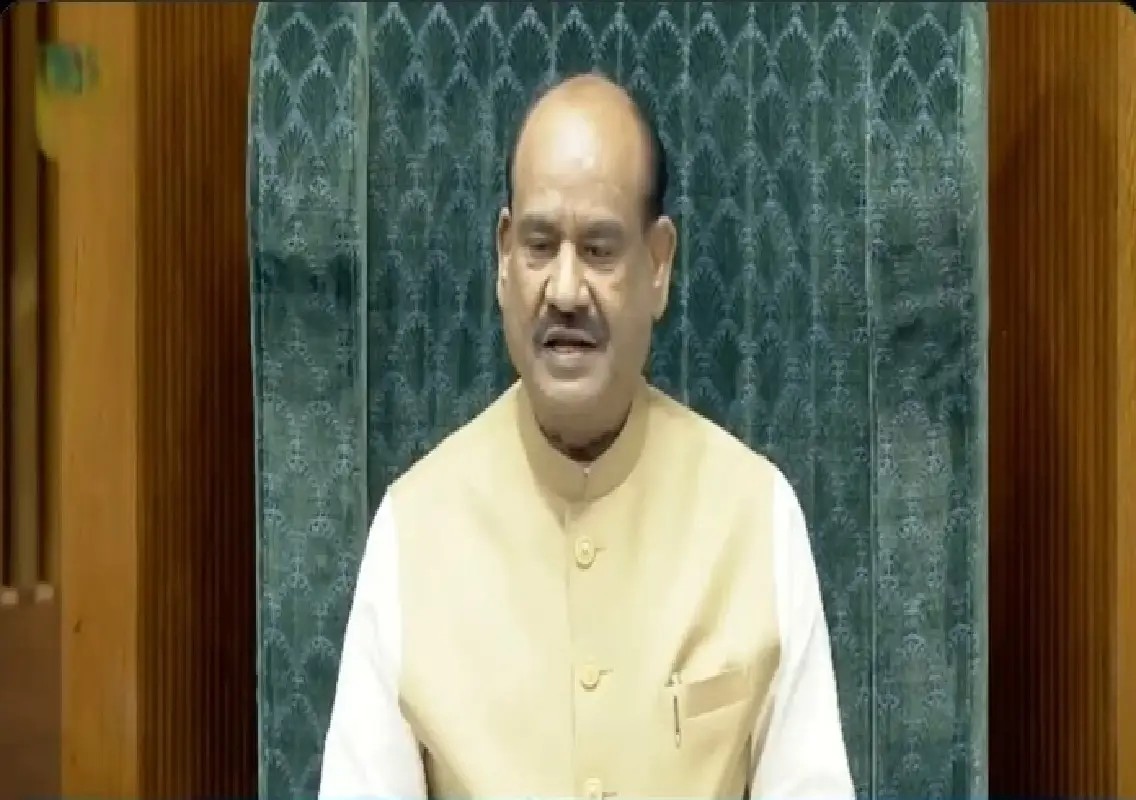


New Delhi: The political confrontation over the alleged NEET-UG paper leak and examination reforms intensified after the ruling side accused the Opposition of continuing to disrupt Parliament despite the Union government accepting several key demands related to the issue. The criticism came after the resignation of former Union Education Minister Dharmendra Pradhan, the announcement of fast-track courts for speedy disposal of examination-related cases and the formation of a task force to tackle paper leaks.
According to the statement, the Centre had taken concrete steps to address concerns surrounding examination integrity and accountability. However, it alleged that Parliament continued to witness repeated disruptions, preventing normal legislative business and discussions from taking place.
Government highlights measures on examination reforms
The statement said the government had acted decisively in response to public concerns over examination irregularities.
Among the measures highlighted was the resignation of Dharmendra Pradhan from the post of Union Education Minister, with the statement describing it as an act of taking responsibility for the controversy.
It also pointed to the decision to establish fast-track courts for the speedy trial and disposal of cases related to examination fraud and paper leaks. According to the statement, the move is intended to ensure quicker justice and strengthen public confidence in the examination system.
Another key initiative mentioned was the formation of a dedicated task force to identify the root causes of question paper leaks and recommend long-term measures to prevent such incidents.
The government has maintained that these steps demonstrate its commitment to safeguarding the integrity of competitive examinations and protecting the interests of students.
Criticism of continued parliamentary disruptions
The statement criticised the Opposition for allegedly continuing to stall Parliament despite the government’s acceptance of what it described as major demands.
It argued that once the concerns raised had been addressed through policy measures and administrative decisions, there was no justification for continuing disruptions inside the House.
According to the statement, the Opposition’s actions suggested that it was not genuinely interested in resolving issues related to examination reforms but was instead focused on preventing parliamentary proceedings from functioning smoothly.
The remarks further alleged that repeated disruptions deprived Parliament of the opportunity to hold meaningful debates on issues affecting the country.
Allegations against the Opposition
The statement accused Opposition parties of avoiding democratic discussion and debate within Parliament.
It claimed that the Opposition was neither interested in constructive democratic engagement nor focused on securing the future of the country’s youth.
Instead, it alleged that the objective behind the continued protests was to create disorder, avoid parliamentary debate and obstruct legislative business.
The statement also criticised repeated disruptions as a waste of taxpayers’ money, arguing that Parliament should function efficiently to discuss legislation, government policies and issues of national importance.
Political differences continue
The controversy surrounding examination reforms and parliamentary functioning has become a major point of political disagreement.
While the ruling side has asserted that it has taken concrete corrective measures, including administrative action and institutional reforms, Opposition parties have continued to press the government over the handling of the alleged examination irregularities.
Parliamentary disruptions over contentious issues have frequently led to adjournments, affecting the transaction of legislative business during successive sessions.
Conclusion
The latest statement reflects the continuing political divide over examination reforms and parliamentary conduct. While the government has highlighted measures such as ministerial accountability, fast-track courts and a dedicated task force to curb paper leaks, it has also accused the Opposition of continuing to obstruct Parliament despite these initiatives. The issue is likely to remain a subject of political debate as both sides continue to defend their positions on accountability, governance and the functioning of Parliament.