







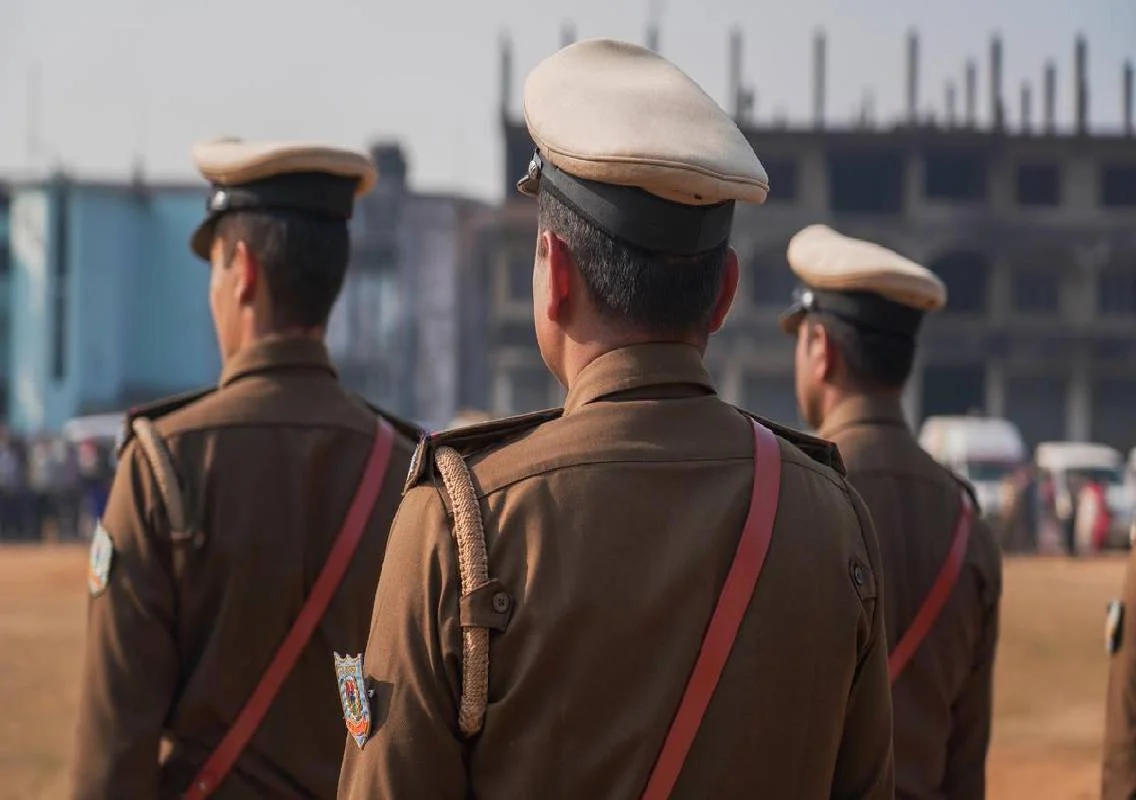


New Delhi: Opposition leaders on Monday raised concerns over the Union government’s reported plan to introduce a Bill to formalise the deputation of Indian Police Service (IPS) officers in Central Armed Police Forces (CAPFs), despite a prior Supreme Court ruling calling for a gradual reduction in such appointments.
The proposed legislation, expected to be tabled in the ongoing session of Parliament, has sparked a fresh political debate over cadre management, career progression and structural reforms within India’s paramilitary forces.
Supreme Court ruling and policy concerns
The controversy centres around a ruling by the Supreme Court of India, which had directed the government to progressively reduce the deputation of IPS officers in CAPFs up to the rank of Inspector General.
The court had also emphasised granting “organised group” status to CAPF cadres, a move aimed at improving promotional avenues and service conditions for officers within these forces.
Opposition parties argue that the proposed Bill appears to run counter to both the spirit and substance of the court’s directive, potentially undermining long-standing demands of CAPF personnel for greater autonomy and recognition.
Political opposition intensifies
Senior leaders, including Rahul Gandhi, have questioned the timing and intent behind the move, suggesting that the government must clarify whether the Bill aligns with judicial directions and the interests of CAPF officers.
Critics contend that continued reliance on IPS deputation limits leadership opportunities for officers who have spent their careers within CAPFs, affecting morale and institutional efficiency.
The issue has remained contentious for years, with CAPF associations repeatedly demanding a separate cadre structure and clearer promotional pathways independent of IPS officers.
Rahul Gandhi meets injured CRPF officer
Amid the debate, Rahul Gandhi met Ajay Malik, an Assistant Commandant of the Central Reserve Police Force, who was critically injured in an Improvised Explosive Device (IED) blast during an anti-Maoist operation in Jharkhand earlier this month.
Malik, who lost a leg in the March 1 explosion, was initially airlifted to the All India Institute of Medical Sciences in New Delhi, where he underwent amputation. He is currently recuperating at a CRPF camp hospital in the national capital.
Having joined the CRPF in 2011 as an Assistant Commandant, Malik has remained at the same rank for over 15 years — a case that opposition leaders highlight as reflective of stagnation within CAPF career structures.
Broader concerns over career progression
The meeting has brought renewed attention to concerns over limited promotion opportunities for CAPF officers compared to their IPS counterparts.
Officers within CAPFs often face slower career progression due to structural constraints, while IPS officers on deputation frequently occupy senior leadership positions within these forces.
Opposition leaders argue that codifying deputation without addressing these disparities could deepen dissatisfaction among CAPF personnel.
Government yet to respond in detail
The Union government has not yet issued a detailed public response to the criticism. However, officials are expected to clarify the objectives of the proposed Bill once it is formally introduced in Parliament.
Supporters of the move may argue that IPS officers bring broader administrative experience and inter-agency coordination capabilities, which are essential for managing large and complex security operations.
At the same time, balancing these considerations with the aspirations of CAPF officers remains a key policy challenge.
Conclusion
The proposed legislation on IPS deputation has reignited a long-standing debate over the structure and functioning of India’s paramilitary forces. With the Supreme Court’s directives and growing concerns over career stagnation, the issue is likely to witness intense discussion in Parliament.
As the government moves forward with the Bill, its ability to address both judicial expectations and the concerns of CAPF personnel will be critical in shaping the future of internal security administration in India.