







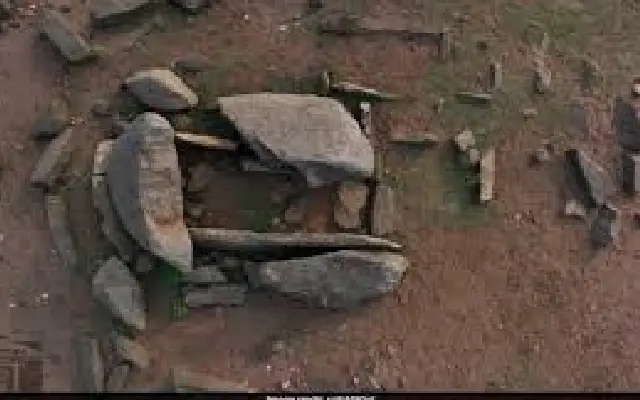


In a groundbreaking revelation, archaeologists have uncovered more than 110 megalithic structures in Palakkad, Kerala, near the Malampuzha Dam. The discovery, shared by the Archaeological Survey of India (ASI), has added a new chapter to our understanding of early civilization in the region. These ancient structures, spread across 45 hectares, are primarily built with large granite slabs and boulders, with some incorporating laterite stones.
The ASI’s findings include various types of megalithic burials, such as single and multi-chambered cists, stone circles, urns, dolmens, and dolmenoid cists. The burial sites, arranged in clusters, are believed to provide valuable insights into the early Iron Age society and belief systems in Kerala.
“The discovery of such a large number of megalithic burials in close proximity is significant in understanding the social and cultural practices of that era,” ASI noted in their post. They expect these findings to offer deeper knowledge about the people of the early Iron Age.
The excavation comes just weeks after the ASI’s discovery of ancient inscriptions and rock art in Kadapa, Andhra Pradesh, further enhancing the historical understanding of the region’s megalithic past.
More details about this fascinating find are awaited, promising a deeper dive into Kerala’s ancient history.
Read also: