







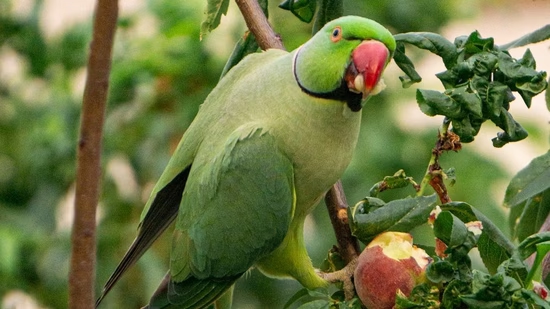


At least 200 parrots have died along the banks of the Narmada River in Madhya Pradesh’s Khargone district, with officials confirming that food poisoning—not bird flu—was the cause of death.
The carcasses were discovered over the past four days near an aqueduct bridge in the Badwah area of the district. Initial panic among residents over a possible avian influenza outbreak subsided after post-mortem examinations ruled out bird flu.
Post-mortem rules out bird flu
District wildlife warden Tony Sharma said some parrots were still alive when rescue teams reached the spot, but the toxicity of the food they had consumed was so severe that they died soon after. “The poisoning was acute. Despite efforts to save them, several birds could not survive,” he said.
Veterinarian Dr Manisha Chauhan, who conducted the post-mortems, confirmed that clear symptoms of food poisoning were present, with no indicators of bird flu or other viral infections. Viscera samples have been sent to Jabalpur for further laboratory analysis as a precaution.
Improper feeding suspected
Officials from the veterinary and forest departments said the deaths were likely caused by improper feeding practices. Rice grains and small pebbles were found in the stomachs of several birds, pointing to human-provided food unsuitable for parrots.
Veterinary extension officer Dr Suresh Baghel said pesticide exposure from sprayed fields near the riverbank and contaminated water could also have contributed. “Visitors may have fed cooked or leftover food to the birds. Such food can be fatal to their digestive systems,” he said.
Feeding banned near aqueduct bridge
Following the incident, forest department officials have banned feeding of birds near the aqueduct bridge and deployed staff to enforce the restriction. Wildlife, veterinary and forest teams continue to monitor the area closely after being alerted by local residents.
Officials have urged the public to avoid feeding wild birds and animals, warning that well-intentioned actions can have deadly consequences for wildlife.