







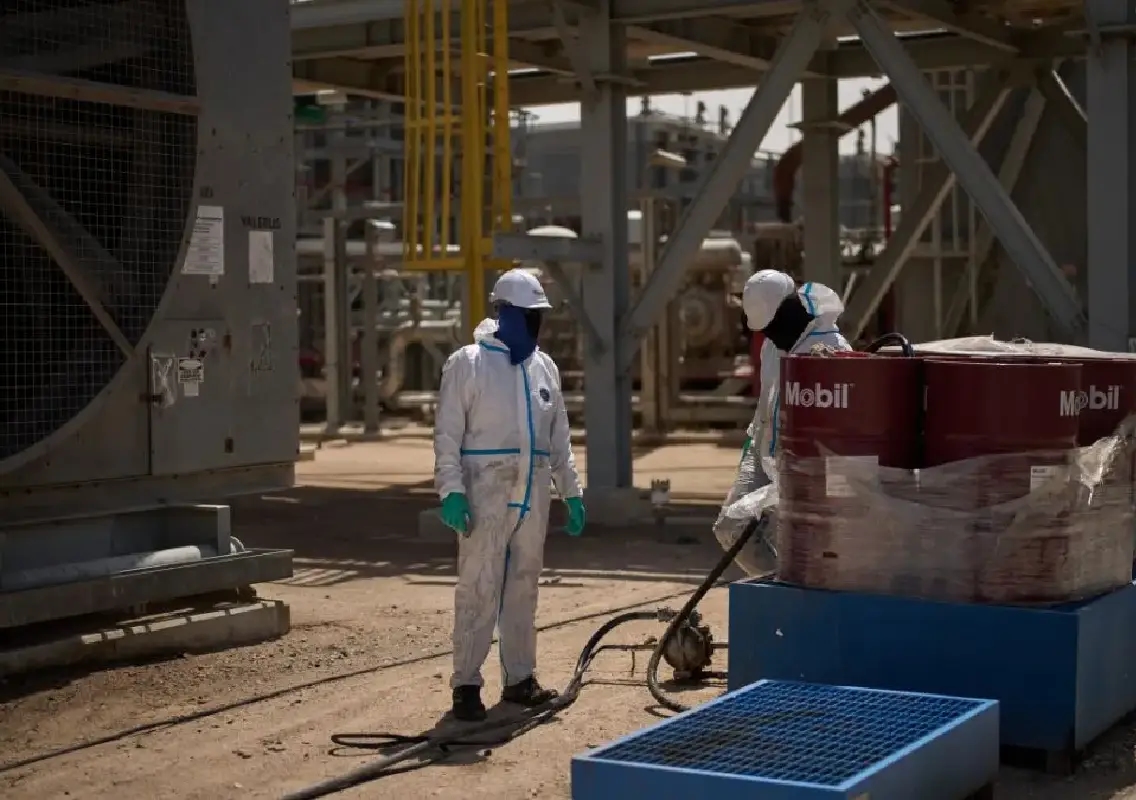


More than 37,000 Indian workers lost their lives abroad between 2021 and 2025, averaging over 20 deaths daily, the government informed Parliament, raising concerns over migrant worker safety.
Minister of State for External Affairs Kirti Vardhan Singh, in a written reply to the Rajya Sabha, stated that a total of 37,740 deaths were recorded during the five-year period. However, no cause-wise classification of the deaths was provided.
Gulf countries account for majority
The data revealed that over 86 per cent of the fatalities occurred in Gulf nations. The United Arab Emirates reported the highest number at 12,380 deaths, followed by Saudi Arabia with 11,757.
Other countries included Kuwait (3,890), Oman (2,821), Malaysia (1,915), and Qatar (1,760). In total, 32,608 deaths were recorded in Gulf regions alone.
Rising trend after initial dip
Year-wise data shows 8,234 deaths in 2021, dropping to 6,614 in 2022, before rising again to 7,291 in 2023, 7,747 in 2024, and 7,854 in 2025—indicating a steady upward trend in recent years.
Complaints of exploitation surge
Indian missions abroad also received 80,985 complaints related to workplace issues and exploitation. The highest number of grievances came from the UAE, followed by Kuwait, Oman, and Saudi Arabia.
Complaints have nearly doubled from 11,632 in 2021 to 22,479 in 2025, reflecting growing concerns among migrant workers.
Common issues faced by workers
The ministry highlighted key issues reported by workers, including delayed or unpaid wages, passport confiscation, denial of leave, excessive working hours without overtime, and job losses due to company closures.
Cases of ill-treatment and denial of exit permits were also reported in several countries.
Government response and safeguards
The government stated that ensuring the safety and welfare of Indian workers abroad remains a priority. Indian missions are providing legal and consular support while engaging with host countries to address grievances.
India has also signed labour and manpower agreements with several nations to strengthen protections for its overseas workforce.