







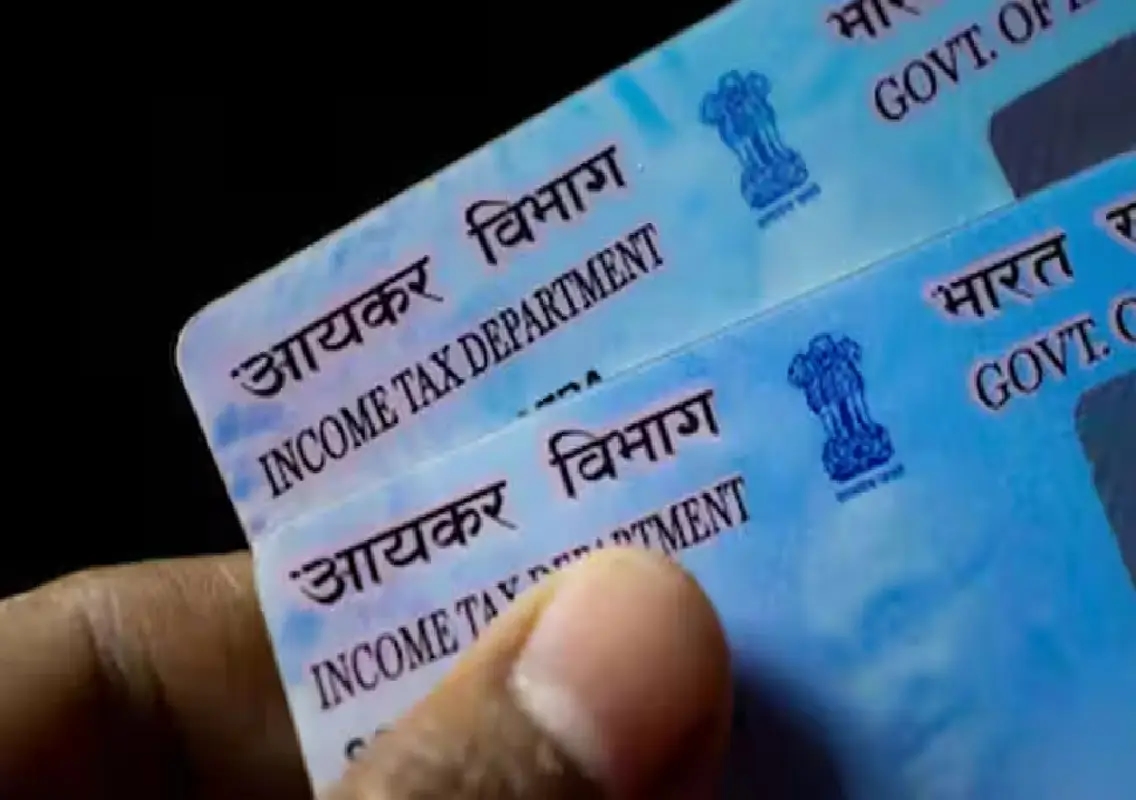


New Delhi: The Government of India is set to introduce significant changes to Permanent Account Number (PAN) application rules from April 1, 2026, impacting taxpayers and financial transactions across the country.
The revised norms aim to enhance transparency, improve verification processes, and streamline compliance under the updated income tax framework.
Aadhaar-only PAN application to be discontinued
From April 1, 2026, applicants will no longer be able to obtain a PAN card using only Aadhaar. Instead, additional documentation will be mandatory to establish identity and date of birth.
Accepted documents will include:
- Birth certificate
- Voter ID
- Class 10 certificate
- Passport or driving licence
Until March 31, 2026, applicants can still avail the Aadhaar-only route. After the deadline, stricter verification norms will come into force.
New PAN forms and compliance measures
The updated rules are part of broader reforms under the Income Tax framework. Authorities will introduce revised PAN application forms requiring more detailed information, particularly for certain categories of applicants.
Officials say these changes are designed to reduce discrepancies and improve the accuracy of taxpayer data.
Revised PAN requirements for transactions
The new rules also modify thresholds for transactions where PAN is mandatory, easing compliance for smaller transactions while maintaining oversight on high-value deals.
Key changes include:
- Cash transactions: PAN required if total deposits or withdrawals exceed ₹10 lakh in a financial year
- Property transactions: PAN required for deals above ₹20 lakh (earlier ₹10 lakh)
- Vehicle purchases: PAN required only if value exceeds ₹5 lakh
- Hotel payments: PAN required for bills above ₹1 lakh
These revisions are expected to reduce paperwork for routine transactions while strengthening monitoring of larger financial activities.
Focus on transparency and ease of compliance
Officials emphasise that the reforms aim to strike a balance between ease of doing business and effective tax administration.
By tightening documentation requirements for PAN issuance and rationalising transaction thresholds, the government intends to curb misuse while simplifying processes for genuine taxpayers.
The move is also aligned with efforts to digitise and modernise tax administration systems in India.
What taxpayers should do
Experts advise individuals planning to apply for a PAN card to consider completing the process before March 31, 2026, if they wish to use Aadhaar-only verification.
Post-April 1, applicants should ensure all necessary documents are ready to avoid delays or rejections.
Taxpayers are also encouraged to stay updated on the revised thresholds to ensure compliance during financial transactions.
Conclusion
The upcoming changes to PAN rules mark a significant shift in India’s tax compliance landscape. While the new norms introduce stricter documentation for PAN applications, they also simplify requirements for smaller transactions. Staying informed and prepared will help taxpayers navigate the transition smoothly.