







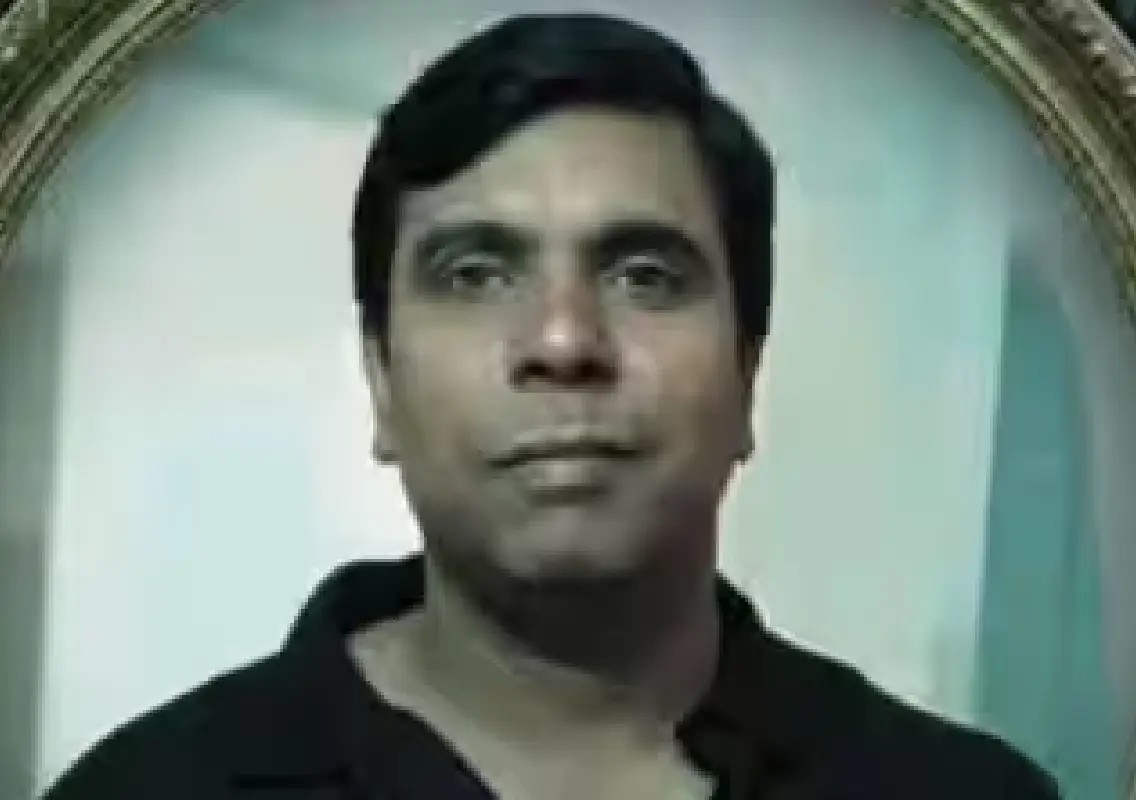


Pune : A 48-year-old IT engineer died after being hit by a car while he was out for a morning walk in Pune on Saturday, police said, in an incident that has renewed concerns about the safety of pedestrians and joggers using city roads.
The deceased was identified as Virendra Dwivedi, a software professional. He was reportedly out for a run on NDA-Pashan Road when he was struck by a vehicle near the Maruti temple, according to The Times of India.
The incident has also brought renewed attention to the lack of dedicated and continuous spaces for runners and walkers in parts of Pune, where people often use roads for exercise because suitable running infrastructure is limited.
Fatal accident during morning exercise
Dwivedi was on his morning run when the vehicle hit him on NDA-Pashan Road on Saturday, according to police.
The 48-year-old suffered fatal injuries in the collision. Police have begun investigating the circumstances surrounding the accident, including how the vehicle struck the pedestrian and the conditions on the road at the time.
The incident has caused concern among Pune’s running community, particularly because it occurred during a routine morning activity.
For many residents, early-morning walking and running are part of their daily fitness routine. However, when dedicated tracks are unavailable, pedestrians and runners are often required to share road space with motor vehicles.
Concerns over lack of dedicated running tracks
The death has prompted wider discussion about pedestrian and running infrastructure in Pune.
A separate Times of India report noted that Dwivedi’s death was the second death of a jogger in the city within two months. In July, fitness expert Uday Birmal, 38, died after an autorickshaw reportedly struck him from behind on DP Road in Erandwane.
The two incidents have intensified calls from members of the running community for safer, dedicated spaces where people can exercise without having to compete for road space with fast-moving vehicles.
Runners have reportedly pointed out that accidents involving pedestrians and cyclists are not uncommon on city roads.
The absence of uninterrupted running tracks can force people to use busy roads, particularly when they need longer stretches for regular training.
Existing facilities have limitations
Pune Municipal Corporation operates numerous gardens and recreational spaces, but civic officials have acknowledged that many were designed primarily for walking and general recreation rather than long-distance running.
Some runners use facilities such as Sanas Sports Complex, Nehru Stadium and tracks around Sarasbaug. The Savitribai Phule Pune University campus is also reportedly used by runners, although travelling there every morning may not be practical for residents living far away.
The limitations mean that many people continue to exercise on roads close to their homes.
Some runners have reportedly shifted to hills, open grounds and areas outside the city for longer training sessions in an attempt to avoid busy urban roads.
Road conditions add to safety concerns
The location of the fatal accident has also drawn attention to traffic conditions around the Maruti temple on NDA-Pashan Road.
According to runners quoted by The Times of India, vehicles parked near the temple can narrow the available road space and create bottlenecks. People stopping briefly to offer prayers can also contribute to congestion in the area.
When road space is reduced, pedestrians and vehicles can be forced into closer proximity, increasing the potential for accidents.
Such concerns highlight the importance of effective parking management and traffic enforcement in areas where pedestrian activity is high.
Calls for safer spaces for walkers and runners
The latest death has strengthened calls for the development of dedicated running and walking infrastructure across Pune.
While parks can provide some opportunities for exercise, long-distance runners often require continuous tracks or wider, safer routes.
Civic officials have acknowledged that Pune’s existing road infrastructure is not designed for running alongside heavy traffic. The possibility of longer pedestrian and running stretches linked to riverfront development has also been discussed, although the suitability of those routes for serious running remains to be established.
A dedicated network of tracks could reduce the need for runners to use roads and potentially improve safety for both pedestrians and motorists.
Growing concern among Pune’s running community
The deaths of two joggers within a relatively short period have caused concern among runners who say that safe places to exercise remain limited.
For people who run or walk every day, choosing a safe route is not always straightforward. Roads may provide the distance and accessibility they need, but they also expose pedestrians to traffic.
Traffic authorities have reportedly acknowledged that inadequate civic infrastructure can contribute to road fatalities.
The issue therefore extends beyond individual driving behaviour. It also involves urban planning, road design, parking management, pedestrian facilities and the availability of dedicated spaces for physical activity.
Need for a broader safety approach
The death of Virendra Dwivedi has once again highlighted the vulnerability of pedestrians and runners sharing urban roads with motor vehicles.
While the circumstances of the accident remain under investigation, the incident has prompted questions about whether cities need to do more to provide safe spaces for people who walk, jog or cycle.
Pune’s growing population and expanding road network make such infrastructure increasingly important. Dedicated tracks, safer crossings, better traffic management and stricter control of roadside parking could together help reduce risks.
For Dwivedi’s family, however, the incident represents an irreplaceable personal loss. For the city’s running community, it has become another reminder that a routine morning walk or run should not have to come with the risk of a fatal road accident.
The tragedy has consequently renewed calls for Pune to create safer, dedicated spaces where residents can exercise without having to share narrow or congested roads with moving traffic.