







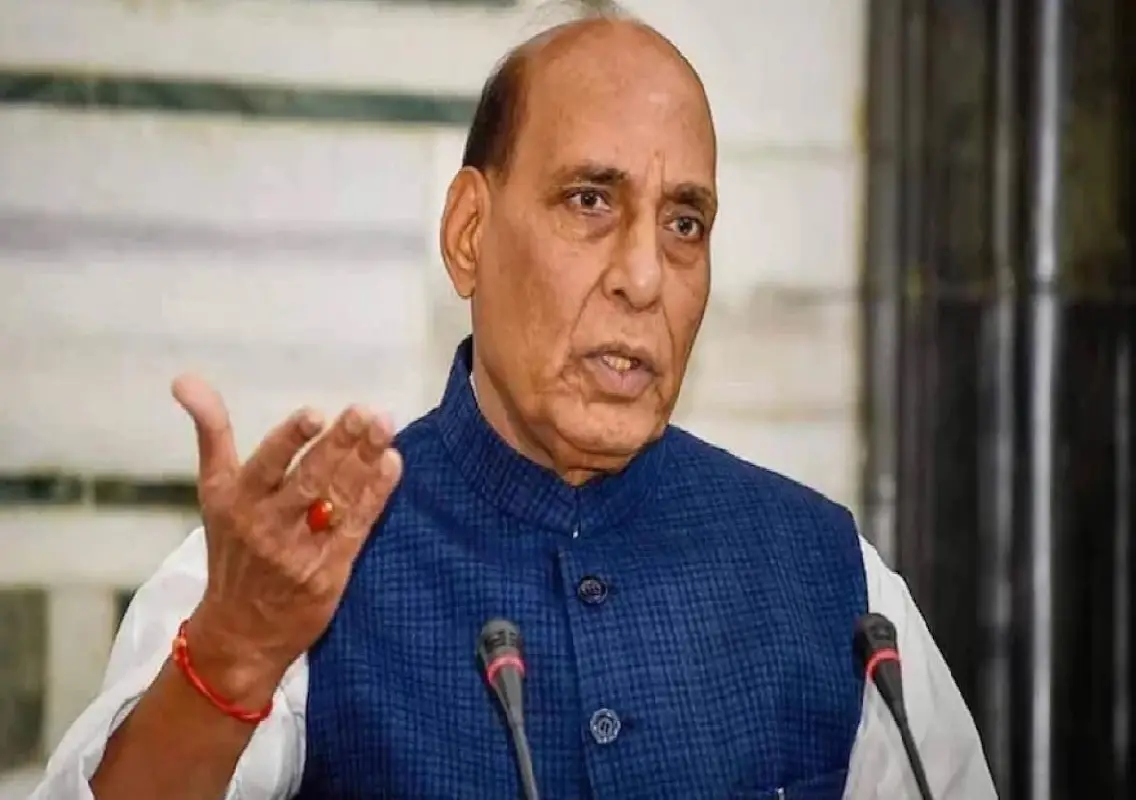


Lucknow: Defence Minister Rajnath Singh on Saturday underscored the strategic importance of rare earth materials in strengthening India’s self-reliance in defence, space, and technology sectors. Speaking at the inauguration of the Titanium and Superalloys Materials Plant at the Strategic Materials Technology Complex in Lucknow, Singh said the facility would place India among a select group of nations capable of producing critical materials independently.
India’s push for critical material self-reliance
“Rare earth materials are crucial for us. These are the same materials used in defence, space, electronics, and medical equipment. Only a select few countries in the world have the capacity to refine these materials and make high-end products,” Singh said.
He added, “We will gain real power when we can produce the materials, components, chips, and alloys we need by ourselves. This titanium and superalloy material plant inaugurated here will take India to the ranks of those select few countries that can produce their own critical defence and aerospace material.”
The new facility is expected to strengthen India’s Aatmanirbhar Bharat (self-reliance) initiative in defence manufacturing, while also boosting Uttar Pradesh’s role as a major hub in the country’s emerging defence corridor.
Inauguration of first locally produced BrahMos missiles
During his visit, the Defence Minister also inaugurated the first batch of BrahMos missiles manufactured at Lucknow’s aerospace production unit. Accompanied by Chief Minister Yogi Adityanath and Deputy CM Brajesh Pathak, Singh flagged off trucks carrying the locally assembled missiles.
He said the milestone symbolised India’s growing technological confidence and the evolution of Lucknow as a key defence manufacturing centre.
“I believe that over time, along with the credibility of BrahMos, Lucknow’s credibility has also grown. This project symbolises the country’s growing confidence and strength. Lucknow is one of the six nodes of the Uttar Pradesh Defence Corridor. Could anyone have imagined a few years ago that Lucknow would produce the country’s most advanced missiles? This dream has been realised,” Singh remarked.
Overcoming supply chain disruptions
The Defence Minister highlighted that India was reducing dependence on foreign suppliers for critical spare parts — a challenge that, he said, some nations were using as an “economic weapon.”
“BrahMos has become the spine of the armed forces. Around 100 missiles will be launched from here every year for the Army, Navy, and Air Force. This BrahMos facility, built on approximately 200 acres at a cost of Rs 380 crore, will provide employment to hundreds of people,” he stated.
He further added, “We are now overcoming the challenge of supply chain disruptions being used as a weapon by supplier countries.”
Uttar Pradesh’s emergence as a defence hub
Under the Uttar Pradesh Defence Corridor project, Lucknow has emerged as one of six key nodes driving the state’s ambition to become a major defence manufacturing hub. Singh emphasised that these efforts represent not only industrial growth but also national security reinforcement.
He called the twin inaugurations — the titanium plant and the BrahMos missile rollout — “historic milestones” in India’s journey towards technological sovereignty and strategic resilience.