










Among the products that contribute to leader effectiveness, one that comes up normally for discussion is dignity under strain, which is difficult for a lot of people to conceptualise, learn and measure its impacts. It can be understood only in the light of its expressions by some people in difficult circumstances. It is appropriate to state that after learning about people who showed dignity under strain, many people may reflect on themselves and doubt whether they would be capable or even competent to express themselves in similar ways.
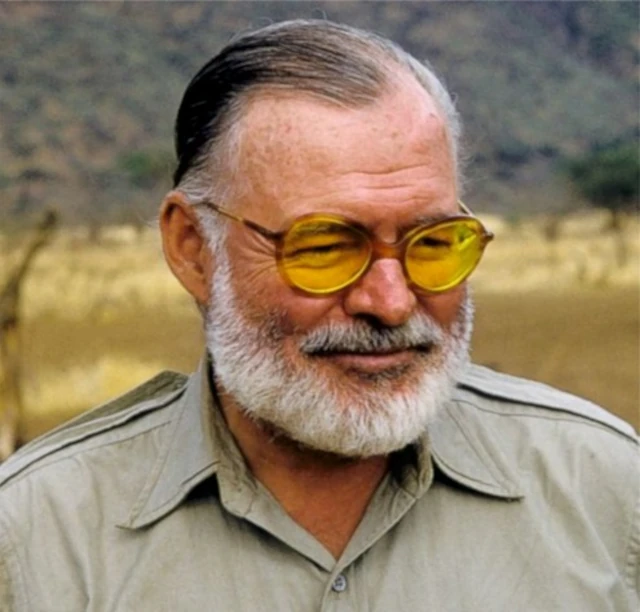
Robert Jordan; the main character in the famous novel ‘For Whom The Bell Tolls’ by Ernest Hemingway, the Nobel Prize winner for Literature for his novel ‘The Old Man And The Sea’ in 1954; is admired by readers. The title of the novel is an adaptation from the famous English poet John Donne’s lines ‘And therefore never send to know for whom the bell tolls; It tolls for thee.’ The story is about what happens to Jordan, an American Professor of Spanish in the University of Montana and his activities with a radical antifascist guerrilla group. He is on a seventy-two hour mission to blow up a bridge and gets wounded in a battle. He knew that he was almost on the brink of death, when he asked his friends to leave him and escape. There is a famous line where Jordan told one of the team members to help him ‘sit erect’ even when his body was not capable of doing it. Critics of Hemingway and his character refer to Jordan’s desire to sit erect even when he is not able to physically do that and also asking his associates to run away to save themselves by leaving him alone as the best example of dignity under strain. Researchers have discovered after the novel’s publication that Robert Jordan may be created as the hero in memory of Robert Hale Merriman, American Commander who fought for the republican side during the Spanish Civil War and got killed.
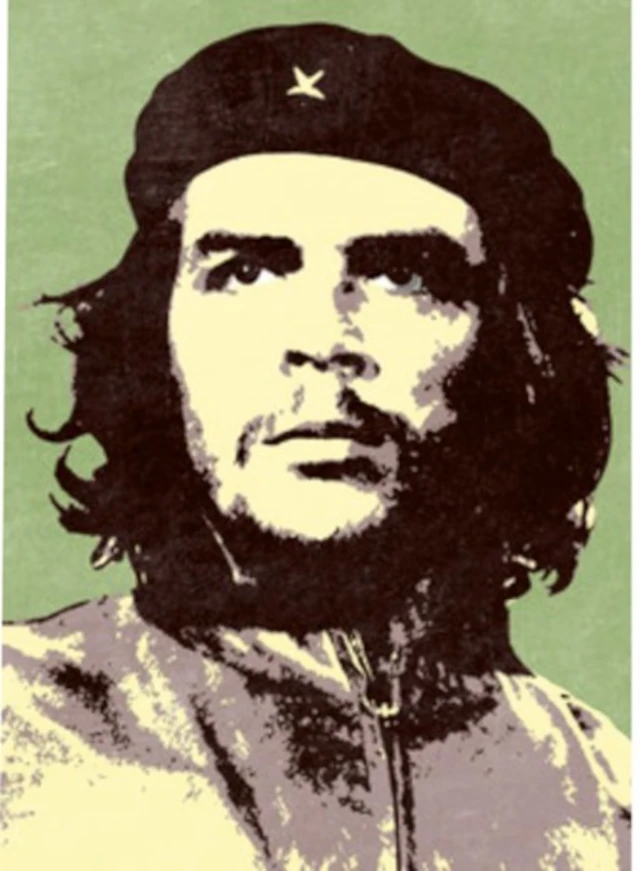
While thinking about or discussing the concept of dignity under strain, another name that comes up is that of Ernesto Che Guevara, the Argentinian who died at the age of thirty-nine, and is considered world over as the greatest example of very violent opposition to dictatorship and colonialism. Though an Argentinian, he fought for the freedom of Cuba alongside Fidel Castro, to overthrow the dictator, Fulgencio Batista in 1959. The maximum number of volumes of life history of any great man by different authors in my personal library is that of Che Guevara in addition to those on the Mahatma. The greatness of the man is exemplified by the fact that he continued to fight for the freedom of other countries more. He left his ministerial position in the cabinet of Fidel Castro, and joined the progressive forces in other countries to get them liberated. While the Bolivian army caught him hiding in a forest, they decided to kill him. When the soldiers identified him in the bushes, he reportedly told them not to shoot him, declaring that he was Che Guevara and was worth more to them alive than dead. It is on record from the statements of Sergeant Mario Teran, who was ordered to shoot Che Guevara that the latter remained very calm even knowing that he would be shot the very next moment. Che Guevara is supposed to have asked Teran, who was nervous and reluctant to shoot, to be very calm and aim well. There cannot be a better example of dignity under strain than Che Guevara’s words to Teran.
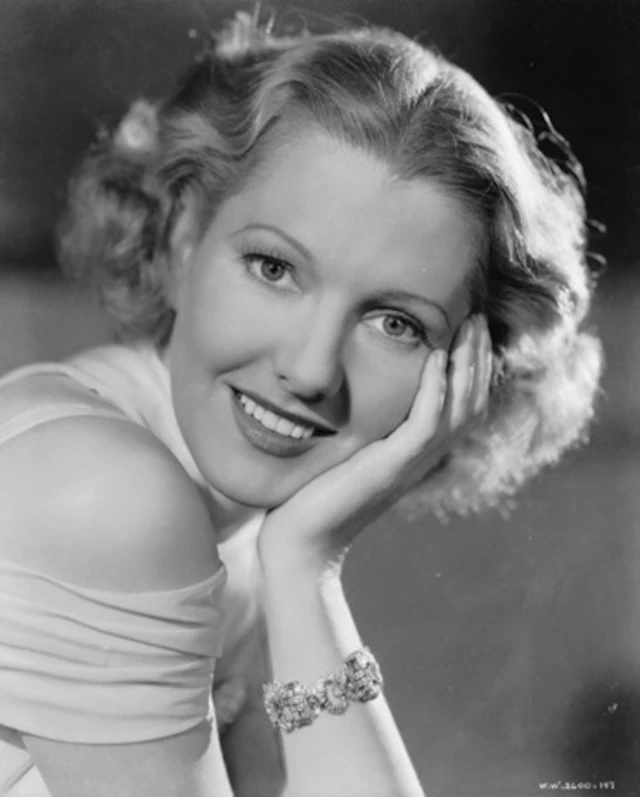
There is yet another story of dignity under strain in the life story of an international woman. Born Margaretha Geertruida Zelle in the Netherlands, she was only eighteen years old when she got married and went to Indonesia. Not much is known about her until she became a dancer and adopted the name Mata Hari which in Malay meant sun or the eye of the day. She went to Paris and became a very famous dancer. The French army asked her to help during the First World War by spying on German soldiers. A woman of exceptional talents to attract people, she was able to help them. However, they suspected her of spying also for the Germans. She was sentenced to be shot dead by a firing squad. When she was kept against a wall to be shot by the squad, she is supposed to have sent flying kisses to the shooting soldiers, smiling all the way. Historians recorded her response as an expression of not only her vivacious personality but also a classic example of dignity under strain.
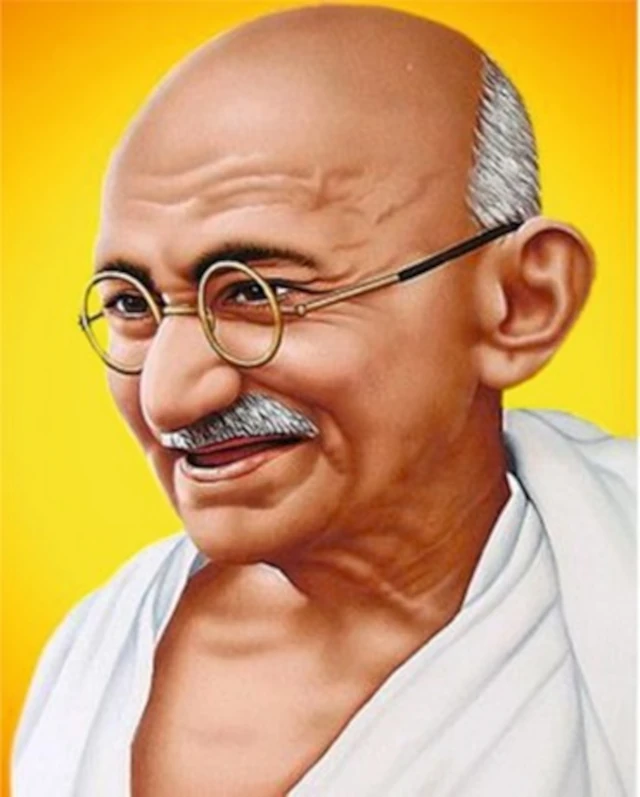
It is not inappropriate to include our own Mahatma into the picture of a description of dignity under strain. In addition to requesting a judge in South Africa to give him the highest punishment ever, the Mahatma also volunteered for harder work during imprisonment for breaking the then existing law of that country. Similarly, in March 1922, when the British Judge C.N. Broomfield sentenced him to six years imprisonment for defying the then existing laws and charged him for sedition, the Mahatma asked him that he be given the maximum punishment ever. It was recorded that the judge himself was worried about punishing him because of the dignity with which the Mahatma sought the punishment for what he considered an unjust, yet currently existing law. This is a definite example of not only respect for a law but also the dignity under strain.
One can sustain and express dignity under strain only when one has the maturity and assurance of one’s own character. Such character ought to be supported by different ramifications of values where respect for the requirements and demands of society commands the individual’s internal reverence for oneself and others. The depth and its articulation of the dignity under strain depend on the integrity of the personality of any worthy individual.
………………………………….
Prof. SunneyTharappan, is Director of College for Leadership and HRD, Mangaluru. He trains and writes and lives in Mangaluru. Email:[email protected]