







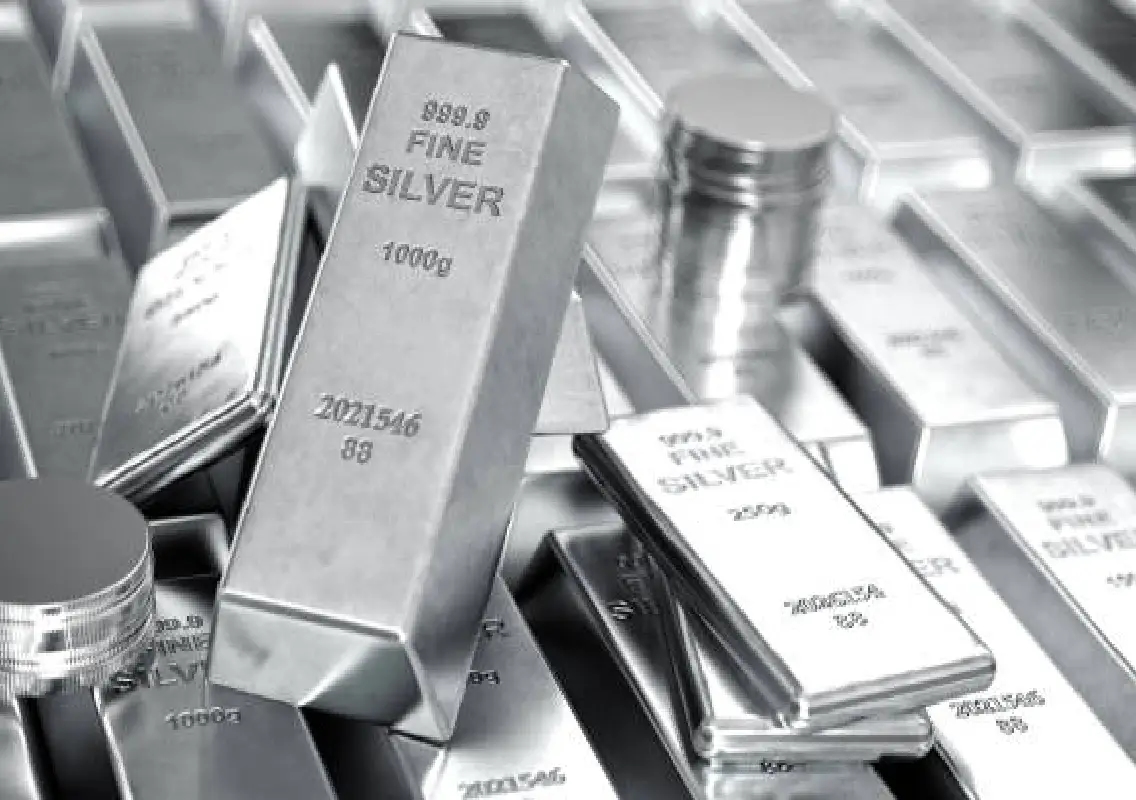


In a move aimed at expanding access to secured credit, the Reserve Bank of India (RBI) has announced that individuals will soon be able to avail loans against silver, much like existing gold loan facilities. The new silver-backed loan guidelines will come into effect from April 1, 2026, providing households with an additional avenue to raise funds during financial emergencies.
RBI’s new silver loan policy
As per a circular issued by the central bank, banks and financial institutions can now extend loans against silver ornaments and coins. This includes commercial banks, cooperative banks, small finance banks, and other regulated lenders.
The initiative is part of the RBI’s effort to make credit more inclusive, especially for rural and semi-urban households that may not own gold but possess silver assets. The move is also expected to formalise the existing informal lending practices involving silver as collateral.
How much silver can be pledged
Under the new guidelines, borrowers will be allowed to pledge up to 10 kilograms of silver to secure a loan. By comparison, up to 1 kilogram of gold can currently be pledged under gold loan schemes. Borrowers may also use silver coins up to 500 grams as collateral.
This change significantly broadens the credit base, especially in rural India, where silver jewellery and coins are commonly owned. The RBI expects the new facility to boost financial inclusion by giving more households access to affordable, collateral-based credit.
Where silver loans will not apply
The RBI has clarified that silver bricks or bars will not qualify for loans under this scheme. Similarly, silver-based investments, such as exchange-traded funds (ETFs) or mutual funds, are excluded. Only physical silver jewellery and coins will be accepted as eligible collateral.
Loan amount and repayment terms
The loan-to-value (LTV) ratio will vary depending on the pledged amount. For instance, a borrower pledging silver worth ₹2.5 lakh can obtain up to 85% of its value as a loan. For silver valued at ₹5 lakh, the LTV ratio will be capped at 75%.
After full repayment, banks or NBFCs must return the pledged silver (or gold, in combined cases) within seven working days. Failing to do so will attract a penalty of ₹5,000 per day.
In case of loan default, the lender will have the right to liquidate the pledged silver or gold to recover the outstanding dues, similar to gold loan practices.
A boost to secured lending options
The RBI’s silver loan initiative represents a major step towards diversifying India’s secured lending framework, allowing more citizens to unlock the financial potential of their precious metals.
Industry analysts believe the measure will particularly benefit small business owners, farmers, and artisans, who often use silver as a savings asset. It will also bring greater transparency and regulation to a sector long dominated by informal moneylenders.
Experts expect the policy to encourage banks to develop customised loan products targeting households with silver assets and to strengthen credit penetration in underbanked regions.