







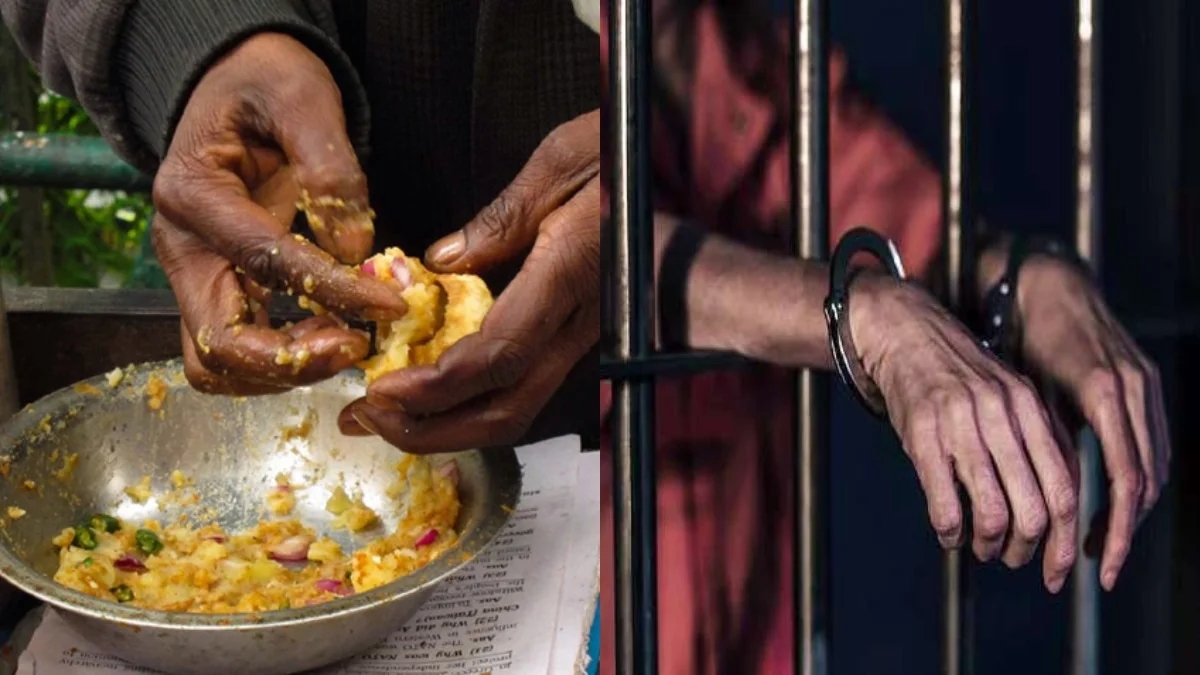


If you enjoy pani puri on Ahmedabad’s streets, recent findings by the Ahmedabad Municipal Corporation (AMC) may make you think twice. A major crackdown by the city’s Food and Health Department has exposed alarming unhygienic practices in the preparation of the popular street snack, raising serious public health concerns.
Raids on 20–25 pani puri units
With typhoid cases rising in neighbouring Gandhinagar, AMC intensified inspections across the city. On January 6, Food and Health Department teams conducted raids on 20 to 25 pani puri manufacturers operating from the Calico Mill compound in the Jamalpur and Behrampura areas. Officials said the conditions they encountered were among the worst they had seen.
Rotten ingredients and foul surroundings
During the inspections, officials found rotten potatoes and stale chickpeas being used to prepare pani puri masala. Food was reportedly prepared amid filth and foul-smelling surroundings, significantly increasing the risk of contamination and waterborne diseases such as typhoid, jaundice and diarrhoea.
Water drawn from dirty tanks
The water used for pani puri was another major concern. In several units, water was stored in dirty barrels resembling dustbins and filled directly from unclean tanks. Instead of being kept in covered, hygienic containers, the water was exposed to contamination, making it unsafe for consumption.
Puris fried in black, reused oil
Officials also discovered that puris were being fried in completely black, repeatedly reused oil. The oil was changed only after prolonged use, by which time it had degraded severely and become unfit for cooking, posing long-term health risks.
Samples collected, action initiated
Following the raids, AMC teams collected food and water samples from manufacturers and vendors across the affected areas. Strict action has been initiated against violators under food safety norms, officials said, adding that surveillance would continue in the coming weeks.
Waterborne disease data raises alarm
Health data has underlined the urgency of the drive. In December alone, Ahmedabad recorded 239 cases of diarrhoea and vomiting, 149 cases of jaundice, 180 cases of typhoid and one case of cholera. Of 7,108 water samples tested, 17 failed quality checks, while seven chlorine tests returned nil results.
Preventive steps underway
AMC said it has distributed over 26.34 lakh chlorine tablets across the city in 2025, including to pani puri vendors, to curb waterborne diseases. Officials also stressed the need to repair ageing pipelines, warning that damaged drainage lines can allow sewage to mix with drinking water.