









New Delhi: Russia has turned to India for petrol supplies after Ukrainian strikes damaged parts of its oil refining infrastructure, creating pressure on domestic fuel availability in one of the world’s largest oil-producing nations.
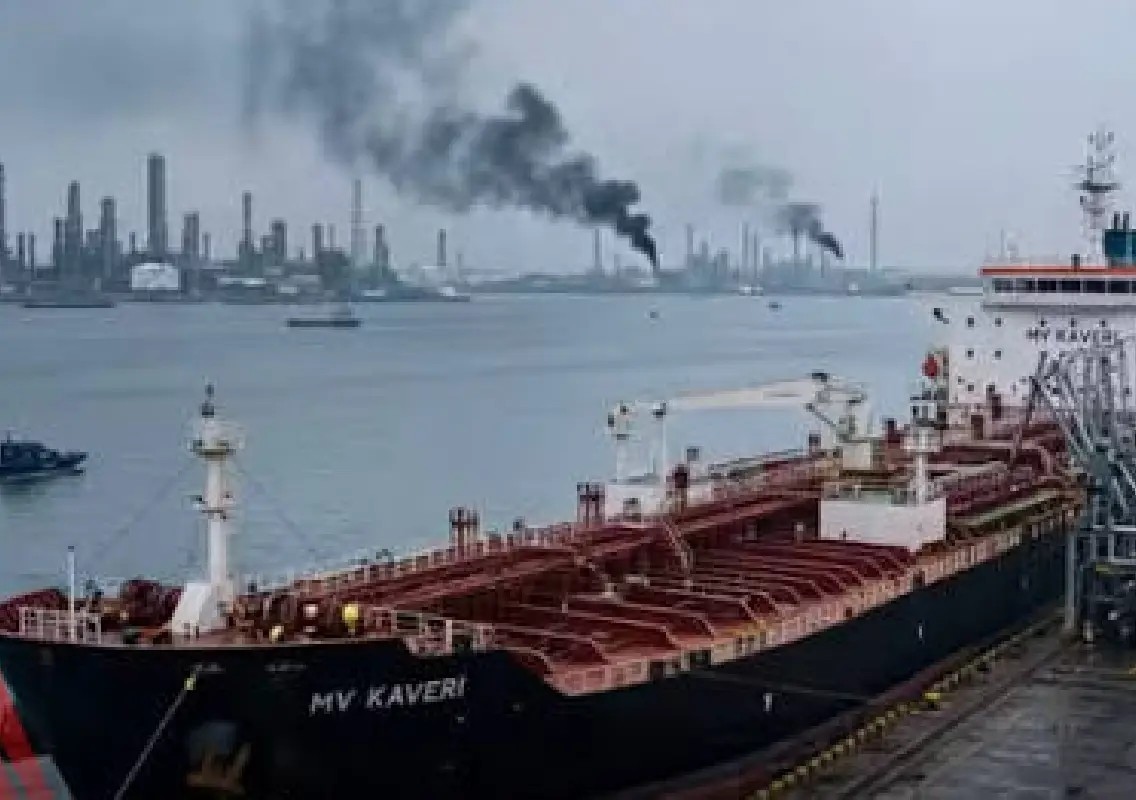
While Russia continues to source much of its imported petrol from neighbouring Belarus and Kazakhstan, ship-tracking data indicates that more than 1 million barrels were dispatched from India to Russia during June and July.
India emerges as a new petrol supplier
Trade sources said the shipments are likely to have continued in August, although complete data for the month is not yet available.
According to experts cited in the report, this is believed to be the first instance of Russia importing petrol from India.
The development highlights the changing dynamics of the global oil trade as Russian refineries and other oil infrastructure come under pressure from Ukrainian attacks.
Nayara Energy’s Vadinar refinery in Gujarat is understood to be the main Indian supplier. The refinery has significant Russian shareholding and has continued to process Russian crude.
Russian crude also feeds Indian refineries
The petrol trade between India and Russia has an unusual dimension. Large quantities of Russian crude continue to arrive in India, where they are processed by domestic refineries.
This includes the Nayara Energy facility, meaning some of the petrol now being supplied to Russia could effectively be produced from Russian crude that was refined in India.
The arrangement demonstrates how interconnected global energy markets have become despite geopolitical tensions and sanctions affecting Russia’s energy sector.
Refinery damage drives search for supplies
Russia is among the world’s largest crude oil producers and refining powers. However, repeated strikes on oil facilities have affected refining capacity and increased pressure on the country’s domestic petrol market.
The resulting supply constraints have prompted Russian buyers to look beyond nearby suppliers.
India’s growing role as a refining hub has allowed its refineries to respond to this demand. The recent shipments also underline India’s expanding importance in global petroleum-product trade.
For India, the development comes as Russian crude remains an important source of feedstock for its refineries. The country’s refiners have built significant capacity to process different grades of crude and supply both domestic and international markets.
The emerging petrol trade could therefore become another notable feature of the evolving India-Russia energy relationship, even as the wider global oil market continues to adjust to geopolitical disruptions.