







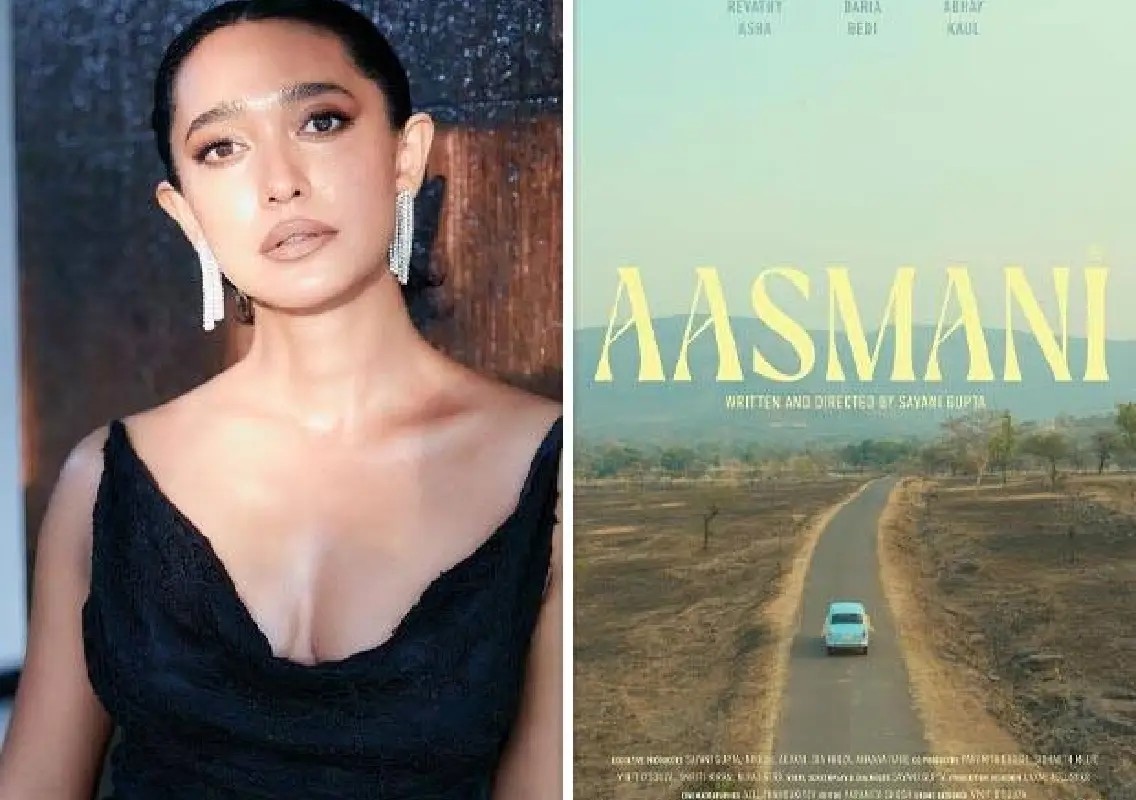


Mumbai : Actor-filmmaker Sayani Gupta has taken legal action against filmmaker Vinita Negi over a dispute surrounding Gupta’s short film ‘Aasmani’, seeking Rs 9 crore in damages in a defamation suit filed before the Mumbai City Civil Court.
The case, reported as Sayani Gupta v. Vinita Negi & Ors, also names Meta, Reddit and Deccan Chronicle Holdings Limited as defendants. An application seeking an urgent hearing and interim relief is expected to come up before the court on September 3.
The legal dispute follows allegations by Negi that ‘Aasmani’, Gupta’s first short fiction film as writer, director and producer, substantially borrowed elements from her unfinished documentary ‘Prabha’. Gupta has rejected the allegations and argued that the similarities cited involve generic ideas and elements that cannot be exclusively claimed under copyright law.
Dispute centres on ‘Aasmani’ and ‘Prabha’
‘Aasmani’ marked an important creative milestone for Gupta, who took on writing, directing and producing responsibilities for the short fiction project. The film features veteran actor Revathy.
The controversy emerged after Negi, an alumna of the Film and Television Institute of India (FTII), alleged that Gupta’s film had used elements from her unfinished documentary ‘Prabha’.
According to the court-related report, the two projects reportedly involve an elderly woman and a vintage car. Negi has maintained that the similarities amount to copyright infringement and a breach of trust.
Gupta has strongly disputed that interpretation.
In her court plea, she argued that elements such as an elderly woman, a car and a driver are generic components that cannot give one creator exclusive ownership over an idea or concept.
The distinction between an idea and the protectable expression of that idea is likely to be important as the dispute develops.
Gupta challenges plagiarism allegations
Gupta’s legal action follows an earlier complaint filed by Negi before the Screenwriters Association (SWA) in April 2026.
According to Gupta’s plea, the proceedings before the association were still pending when Negi allegedly began seeking public support for her allegations.
A statement of support was reportedly circulated through WhatsApp and social media platforms, eventually receiving more than 250 signatures from members of the film fraternity.
Gupta has questioned whether those who signed the statement had independently examined both creative works before supporting the allegations.
Her case argues that the campaign may have caused reputational damage by presenting the plagiarism allegations publicly while the dispute was still being considered.
The defamation proceedings therefore extend the disagreement beyond questions of creative similarity and into a legal battle over the impact of the allegations on Gupta’s reputation and professional standing.
Film reportedly affected by controversy
The dispute has also had consequences for ‘Aasmani’ itself.
According to the Times of India report, the short film was reportedly withdrawn from a film festival amid the controversy. Gupta is seeking not only monetary damages but also the removal of related social media posts and a public apology from Negi.
The developments highlight how allegations involving intellectual property can quickly affect the release, exhibition and public reception of a creative project.
For independent filmmakers in particular, festival selections and public screenings can be important opportunities to establish a film’s reputation. A dispute surrounding authorship or originality can therefore have consequences beyond the courtroom.
Social media adds another dimension
The case also involves the role of social media in disputes within the film industry.
According to Gupta’s plea, material concerning the allegations was circulated through WhatsApp and social media, helping the statement of support reach members of the film fraternity.
The inclusion of Meta and Reddit among the defendants indicates that the proceedings also involve content and discussions allegedly disseminated through online platforms.
Social media can allow allegations to spread rapidly before a court or professional body has reached a conclusion. That can make reputational disputes particularly complicated, as claims may reach audiences far beyond the people directly involved.
Gupta’s legal action seeks to address what she says were defamatory consequences arising from the allegations.
Copyright questions at the heart of the case
At the centre of the disagreement is a broader question that frequently arises in creative industries: when does similarity between two works become copyright infringement?
Creative works often share broad themes, characters, settings or concepts. Copyright law generally distinguishes between an underlying idea and the particular expression of that idea.
Gupta’s argument, as reported, is that the presence of an elderly woman, a car, a driver or similar generic elements does not by itself establish ownership over the underlying concept.
The legal proceedings may therefore require careful consideration of the actual similarities between the two projects rather than simply comparing individual elements in isolation.
Whether the similarities amount to infringement, or instead represent independently created expressions involving common themes, will be an important issue as the dispute progresses.
Screenwriters Association proceedings remain relevant
The earlier SWA complaint provides important background to the current court case.
Negi approached the association in April, beginning a professional dispute-resolution process within the film industry. Gupta’s court plea indicates that the association proceedings had not been concluded when the alleged public campaign began.
The development illustrates how disputes over authorship can move through multiple channels — professional bodies, social media and ultimately the courts.
For filmmakers and writers, such disputes can have significant professional consequences because questions of originality and authorship directly affect creative ownership and reputation.
The Mumbai court will now have to consider Gupta’s allegations concerning the statements and campaign against her, while the underlying dispute over the two creative works continues to attract attention.
Rs 9 crore damages sought
Gupta is seeking Rs 9 crore in damages from Negi in the defamation proceedings. She is also seeking other forms of relief, including removal of allegedly defamatory social media material and a public apology.
The amount sought reflects the seriousness with which Gupta says she views the alleged damage to her reputation and career.
However, filing a claim does not establish that the allegations made by either side are legally proven. The court will consider the pleadings and evidence before determining what relief, if any, should be granted.
The case is therefore at a stage where the competing claims remain allegations.
A closely watched Bollywood legal dispute
The ‘Aasmani’ controversy is being closely watched because it combines questions of copyright, creative ownership, reputation and the influence of social media.
For Gupta, the court action represents an attempt to challenge allegations that she says are false, misleading and damaging. For Negi, the dispute stems from her claim that her unfinished work was improperly used.
The outcome could have wider relevance for filmmakers and writers dealing with accusations of plagiarism, particularly where similarities involve broad concepts or common creative elements.
As the matter comes before the Mumbai City Civil Court, the central questions will be whether the allegations made against Gupta were defamatory, whether the disputed similarities between ‘Aasmani’ and ‘Prabha’ have legal significance, and what remedies may be appropriate.
For now, both the copyright-related disagreement and the defamation claim remain subjects of legal proceedings. Any final determination will depend on the evidence and findings of the court.