







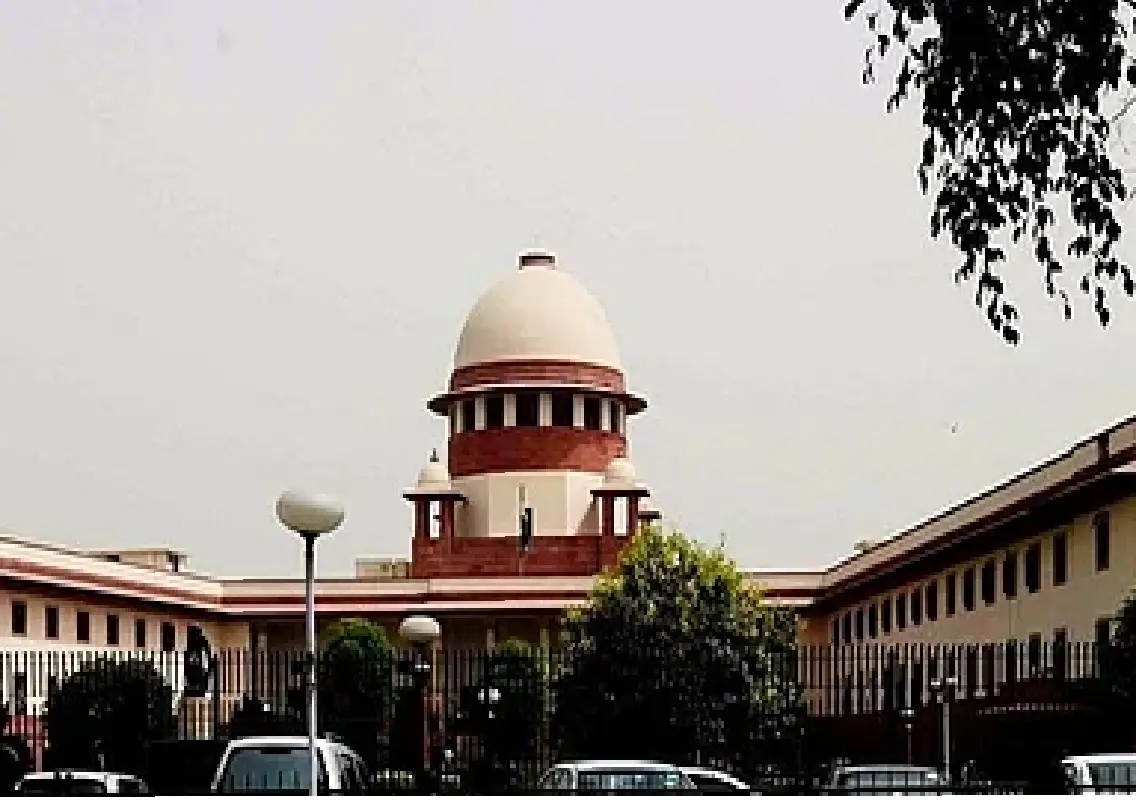


Firozabad (Uttar Pradesh): The Supreme Court of India on Thursday (September 25, 2025) lifted a stay on Ramlila celebrations at the Jilla Parishad Vidhyalaya playground in Firozabad, while directing the State to identify an alternative venue for future events to ensure children’s play space is not compromised.
Background of the case
The controversy arose after the Allahabad High Court issued an ex parte stay on the celebrations following a public interest litigation (PIL) arguing that school playgrounds should remain secular and dedicated for children’s recreation. The PIL highlighted that a stage had been erected and large portions of the playground paved with interlocking tiles, which could interfere with students’ use of the space.
The Ramlila organisers countered that the event had been held at the school grounds for over 100 years, with children actively participating and the school raising no objections.
Supreme Court intervention
A Bench headed by Justice Surya Kant listed the matter urgently, noting that the High Court’s stay had been imposed after the celebrations had already commenced on September 14. Justice Kant questioned the petitioner’s counsel: “Why did you not approach authorities earlier? Why seek court intervention only after the event began?”
The Supreme Court froze the High Court’s stay order, allowing the ongoing Ramlila festivities to continue. Simultaneously, the Bench asked the High Court to direct district authorities to identify a separate venue for future celebrations so that the school playground could remain dedicated exclusively to students.
Balancing secularism and tradition
While allowing the celebrations this year, the Court underscored the need to maintain the secular character of educational institutions. Justice Kant emphasised that the right to education, part of the Directive Principles of State Policy and Article 21 of the Constitution, requires that school premises primarily serve students’ educational and recreational needs.
The Court also referenced earlier precedents: in 2018, it had asked a Constitution Bench to determine whether religious and ceremonial activities could be permitted in state-owned premises. Additionally, a 2023 Calcutta High Court ruling in Sudarsan Mandal versus The State of West Bengal had concluded that even government school playgrounds cannot be designated as public grounds for festivals.
Future implications
The Supreme Court’s order reflects a middle path, balancing long-standing cultural traditions like Ramlila with the constitutional mandate to protect school spaces for children. District authorities are now expected to identify suitable alternative venues for such events in the future, preventing conflicts between cultural practices and educational needs.
Conclusion
The decision highlights the judiciary’s effort to respect cultural heritage while ensuring children’s rights are not compromised. By allowing the current Ramlila celebrations to proceed but mandating alternative sites for the future, the Supreme Court has struck a careful balance between tradition, secularism, and education.