







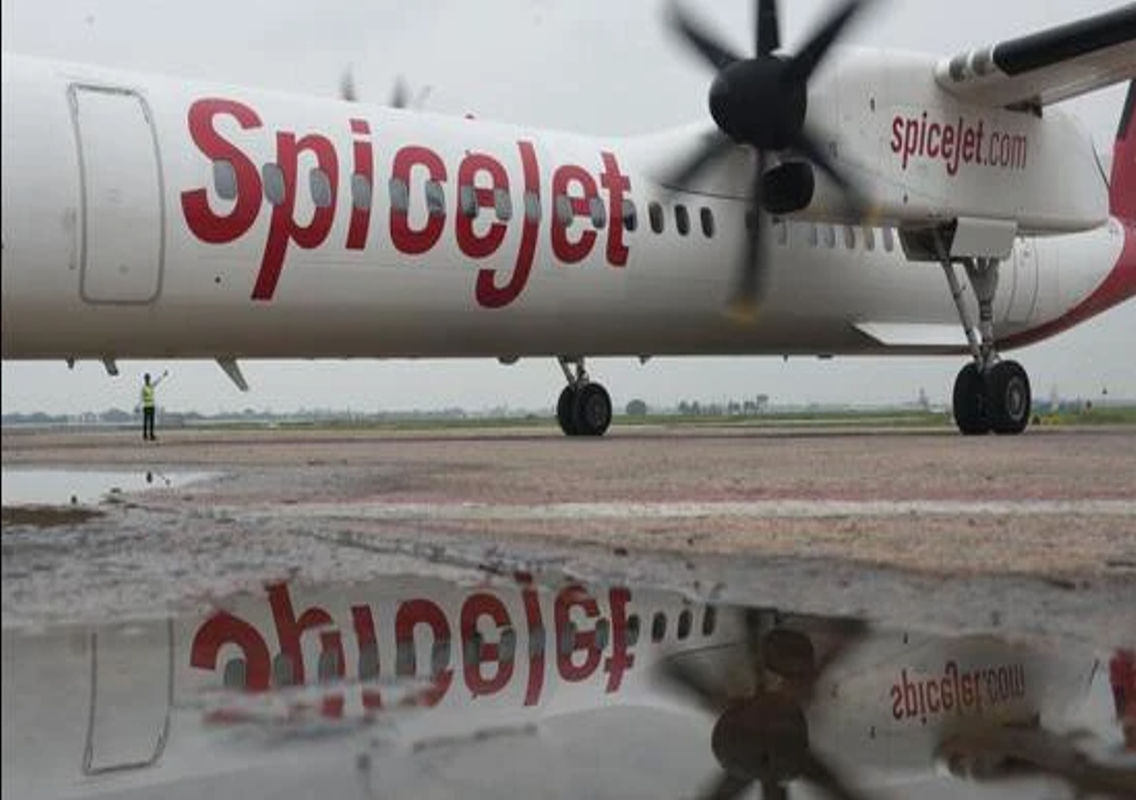


NEW DELHI: The Supreme Court of India has upheld the Delhi High Court’s directive requiring SpiceJet to ground and return three aircraft engines leased from French companies due to non-payment of dues. The airline’s appeal against this decision was dismissed, with the court suggesting that SpiceJet should independently negotiate with the lessors.
A bench led by Chief Justice Dhananjaya Y Chandrachud observed that SpiceJet is free to engage in negotiations with the lessors, Team France 01 SAS and Sunbird France 02 SAS, over the weekend. However, it refused to interfere with the High Court’s order issued on September 11, which mandated that SpiceJet ground the engines and return them within 15 days following the airline’s failure to meet outstanding lease payments.
During the hearing, the bench warned, “If you don’t comply, then you have to return the engines.” In response, SpiceJet informed the court that it was already in discussions to settle the payments and was prepared to make immediate payments. The airline mentioned that while two of the engines were already grounded, arranging a return for the engines would require at least a month, despite the original 15-day deadline.
This ruling follows a series of adverse judicial decisions for SpiceJet. Earlier this month, a division bench of the Delhi High Court upheld a single judge’s order from August 14 that required the grounding of the engines. The division bench dismissed SpiceJet’s appeal, citing the airline’s repeated defaults and the accumulation of unpaid dues exceeding $20 million over more than two years.
The legal dispute began in December last year when the lessors filed a case against SpiceJet for payment and repossession of the engines. The High Court’s order from September 11 confirmed the directive to ground the engines, indicating that SpiceJet had breached an interim payment agreement, which allowed the lessors to reclaim their property.
The August 14 order originally required SpiceJet to ground the engines by August 16. The division bench highlighted the precarious financial situation of the airline, noting its acknowledgment in court of efforts to secure funding through loans or equity infusions. The court expressed concern that further use of the engines without payment would devalue them as assets, harming the interests of the lessors.
The High Court’s rulings emphasised the financial risks to the lessors, stating that delays in compliance could result in a complete loss of both the engines and outstanding payments. The court maintained that preventing the lessors from exercising their contractual rights would be detrimental, given SpiceJet’s evident financial distress.
In reaction to the Supreme Court’s ruling, SpiceJet released an official statement asserting its commitment to an amicable settlement with the aircraft lessors. The airline reiterated that two of the three engines are already grounded and that its operations remain normal and unaffected. “We remain committed to ensuring seamless operations,” the statement concluded.
The ongoing legal and financial challenges faced by SpiceJet underscore the airline’s struggles in a competitive industry, and the outcomes of these proceedings will be crucial for its future viability.