







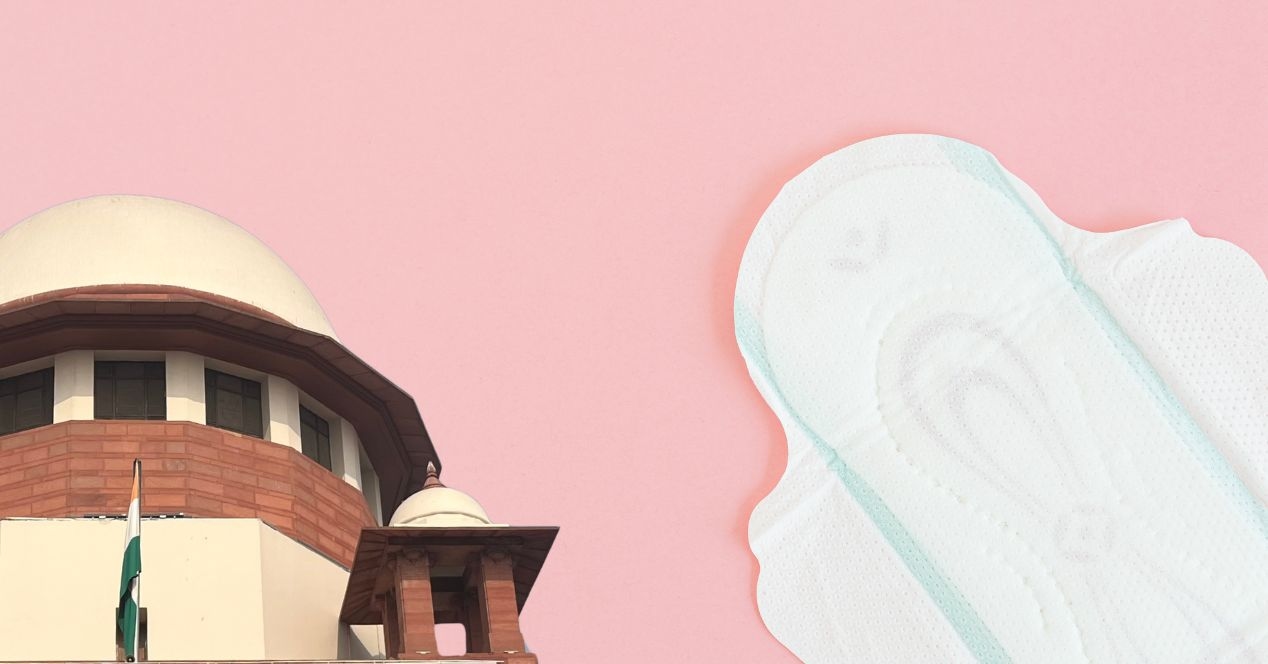


The Supreme Court of India has directed schools across the country to improve menstrual health infrastructure, a move experts say could help more girls stay in school and complete their education.
The court instructed authorities to ensure the availability of gender-segregated toilets and maintain adequate stocks of menstrual hygiene products in educational institutions. The ruling is being seen as a major step toward improving menstrual health awareness and creating safer, more supportive environments for girl students.
Lack of facilities affects school attendance
For years, inadequate sanitation facilities and limited access to menstrual hygiene products have contributed to absenteeism and school dropouts among adolescent girls, especially in rural and economically weaker communities.
Education and health experts have repeatedly highlighted how the absence of clean toilets, privacy, and sanitary products discourages many girls from attending school during menstruation.
The Supreme Court’s intervention aims to address these challenges by making menstrual health a key part of school infrastructure and student welfare policies.
Focus on dignity and equal access to education
The ruling also emphasises dignity, health, and equal educational opportunities for girls. Activists say better menstrual hygiene support can improve confidence, reduce stigma, and encourage girls to participate more actively in school life.
Several states in India have already introduced schemes to distribute sanitary products in schools, but implementation has remained inconsistent across regions.
Experts believe nationwide enforcement of the court’s directives could create long-term positive changes in girls’ education, health outcomes, and gender equality.
Implementation remains crucial
While the ruling has been widely welcomed, education advocates stress that effective implementation will be critical. Schools, particularly in rural and underfunded areas, may require additional financial and administrative support to comply with the new standards.
Observers say the judgment reflects growing recognition of menstrual health as both a public health issue and an educational rights issue in India.