







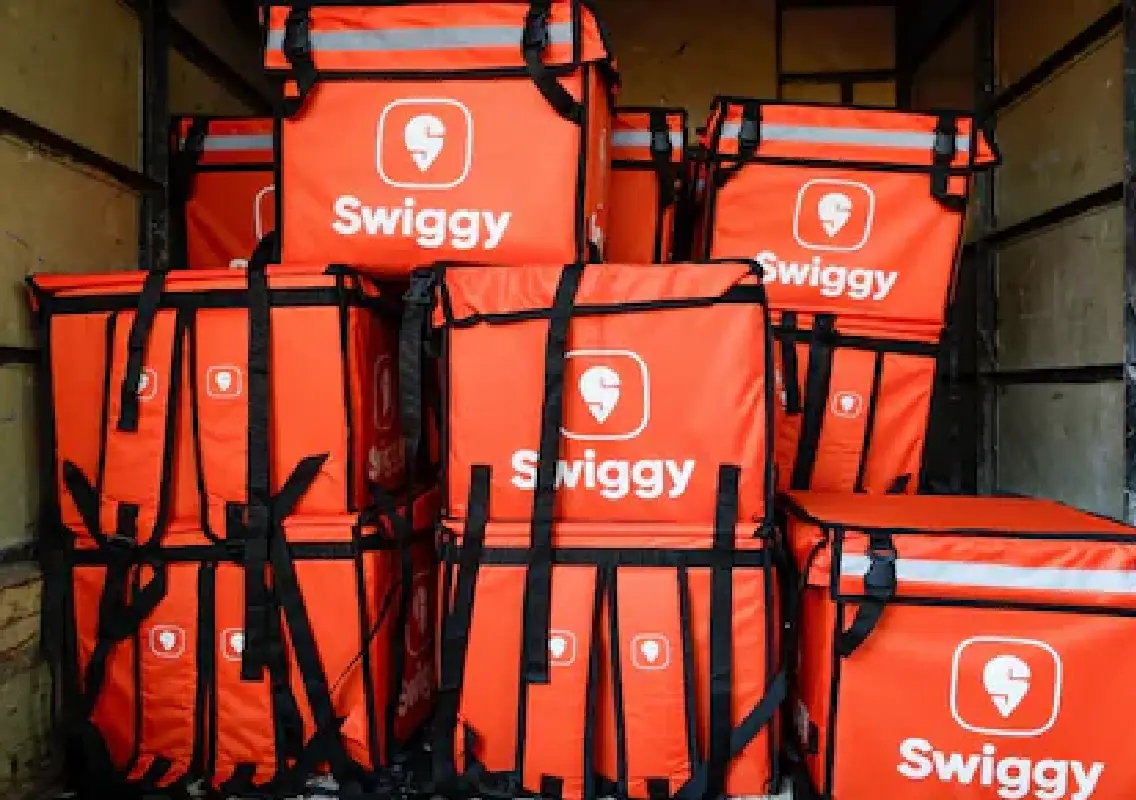


A viral post on X has ignited debate about the misuse of artificial intelligence after a Swiggy Instamart customer allegedly used an AI image-editing tool to fake evidence and secure a full refund for a damaged product.
The post, shared by user @kapilansh_twt, included screenshots of the customer’s chat with Google’s Gemini Nano and with Instamart support. According to the claim, the customer ordered a tray of eggs from Instamart and received one cracked egg. Instead of reporting the single damaged piece, the customer used AI to artificially “apply more cracks,” generating an image that showed the entire tray damaged.
AI-edited image leads to full refund
The customer reportedly typed the prompt “Apply more cracks” into Gemini Nano. Within minutes, the AI tool allegedly produced a hyper-realistic photo showing all eggs broken. The customer then submitted the AI-generated image as proof to Instamart customer care.
The Instamart support agent, believing the image to be genuine, approved a full refund of ₹245. According to the viral post, customer service “took one look at the proof, processed a full refund, and moved on.”
The post sarcastically observed that modern refund systems were “built for a world where photos were trustworthy,” adding, “AI isn’t the villain here.”
The screenshots shared in the viral post included the AI prompt, the resulting edited image, and the subsequent refund confirmation from Instamart.
Broader concerns over AI-enabled fraud
The incident has triggered conversation about vulnerabilities in automated refund processes used by e-commerce and quick-commerce platforms. Many platforms rely on photo evidence for quick resolution—an approach now easily exploited by AI tools capable of generating lifelike images.
HT.com has reached out to the user who posted the screenshots and will update the report as more information becomes available.
Social media reacts
The post, shared on November 24, has garnered over 6.23 lakh views, prompting mixed reactions.
Some users praised the ingenuity, while many expressed concern about the implications for digital trust:
- One X user wrote, “Open box delivery with GoPro should be common for all delivery folks now.”
- Another commented, “What else can you expect from a low-trust society?”
- A third warned, “If operations don’t adapt, fraud will scale faster than revenue.”
Others highlighted how easily refund mechanisms can be manipulated when customer service teams rely solely on visual evidence.
A growing challenge for platforms
As AI tools become more accessible and powerful, companies face increasing pressure to rethink verification systems, especially in high-volume categories like groceries and daily essentials.
Experts say measures such as video verification, improved training for support teams, and automated detection models may become essential to counter emerging fraud patterns.