







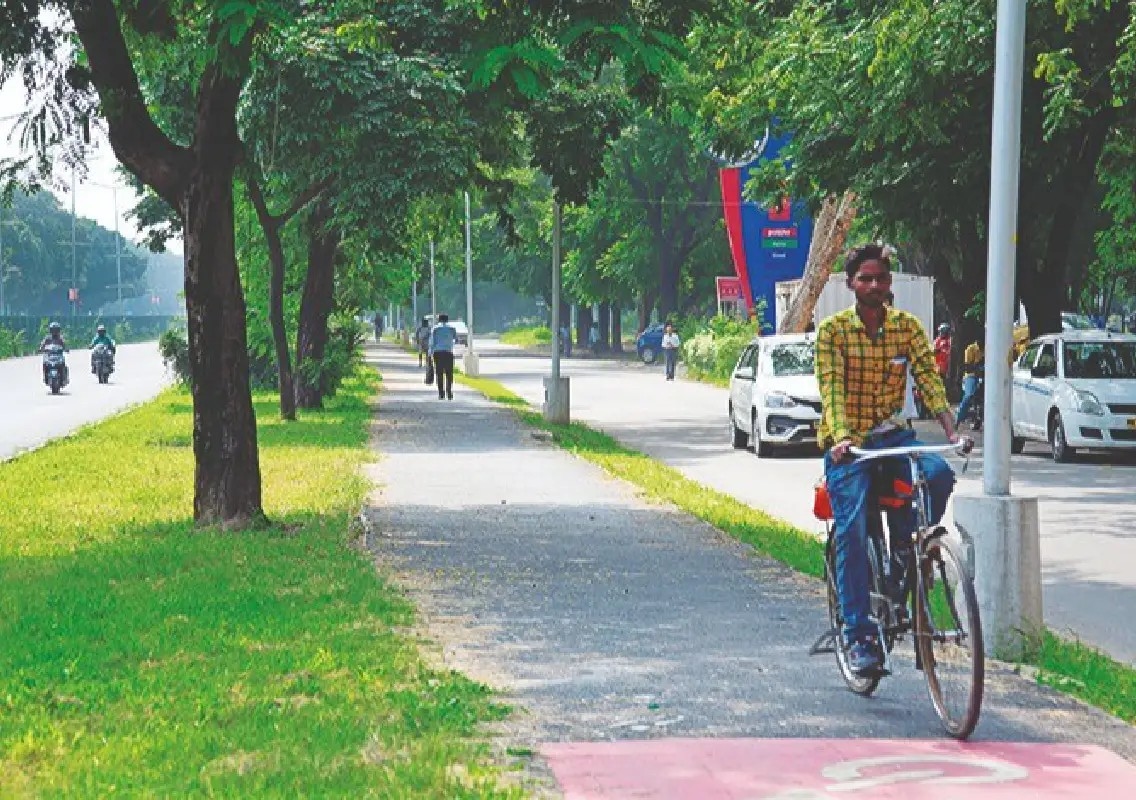


As cities search for cleaner and more sustainable transport solutions, cycling is steadily gaining attention across India. Ahead of World Bicycle Day, several cities are being recognised for building dedicated cycling infrastructure that encourages people to choose bicycles over motor vehicles.
Experts say cycling not only reduces traffic congestion and pollution but also improves public health and makes urban mobility more environmentally friendly.
Chandigarh leads with 200 km cycling network
Among India’s standout examples is Chandigarh, which has developed more than 200 kilometres of dedicated cycling tracks integrated into its planned urban layout. The network provides cyclists with safer and more comfortable routes separated from regular traffic.
Urban planners say the city’s extensive cycling infrastructure has helped create a more sustainable commuting culture while improving road safety for cyclists.
Other cities embracing green mobility
Cities such as Udaipur have also invested in non-motorised transport systems. Under smart city initiatives, Udaipur introduced dedicated cycling tracks, bicycle-sharing programmes and docking stations to encourage eco-friendly travel.
Public bicycle-sharing systems such as MYBYK have further supported cycling adoption by making bicycles easily accessible for daily commuters.
Challenges still remain
Despite progress, cycling infrastructure remains inconsistent across many Indian cities. Experts point out that the absence of safe cycling lanes, secure parking and proper urban planning continues to discourage many people from choosing bicycles as a regular mode of transport.
Cycling advocates have repeatedly stressed the need for connected networks, better road safety measures and stronger enforcement to protect cyclists.
A greener future on two wheels
As India continues to address challenges related to traffic congestion, pollution and climate change, cycling is increasingly being viewed as an affordable and sustainable transport solution.
Urban planners believe that dedicated cycling tracks, public bicycle-sharing systems and safer streets can help transform daily commuting while creating healthier and more liveable cities for future generations.